





How HVAC Cleaning Improves Indoor Air Quality in Your Home
Most of us spend the majority of our time indoors, which makes the air inside our homes just as important as the air outside them. Your HVAC system moves that air through your house all day, every day, and whatever is sitting inside the ductwork moves with it. Keeping the system clean and well maintained is one of the most practical steps you can take to protect your family’s health and comfort.
This article covers what builds up inside an HVAC system, how professional cleaning improves indoor air quality, the warning signs that your system needs attention, and what you can do between cleanings.
Key takeaways
- Indoor air recirculates through your HVAC system several times a day, so contaminants in the ductwork keep cycling back into your living space
- Professional cleaning removes dust, pollen, mold growth, and pest debris from ducts, coils, and drain pans, which the components’ filters cannot clean
- Most homes need duct cleaning every 3 to 5 years, not annually. Visible mold, pest activity, or renovation dust means sooner
- Warning signs include reduced airflow, dust returning quickly after cleaning, musty smells, and rising energy bills
- Homes in humid or coastal climates are more prone to moisture and mold buildup inside HVAC systems and may need attention sooner
Why does indoor air quality matter?
Indoor air quality (IAQ) refers to the condition of the air inside a building and how it affects the health and comfort of the people in it. According to the EPA, Americans spend about 90% of their time indoors, where concentrations of some pollutants run 2 to 5 times higher than outdoors.
The EPA links poor indoor air quality to headaches, fatigue, and irritation of the eyes, nose, and throat, and the American Lung Association notes that indoor pollutants can worsen allergy and asthma symptoms. Long-term exposure to some indoor pollutants has been associated with respiratory disease and other chronic conditions.
There is a multiplier at work here, too. The air in your home recirculates through the HVAC system several times a day. If the system’s filtration is not up to the job, airborne contaminants do not just pass through once. They keep cycling back into your living space.
What builds up inside your HVAC system?
Your ductwork collects whatever your household produces. Over time, that typically includes:
- Dust and household debris: Skin cells, fabric fibers, and everyday dust settle inside ducts and get redistributed every time the system runs.
- Pollen and seasonal allergens: Pollen pulled in from outside collects in the system and keeps circulating long after allergy season ends, which can make symptoms worse indoors than out.
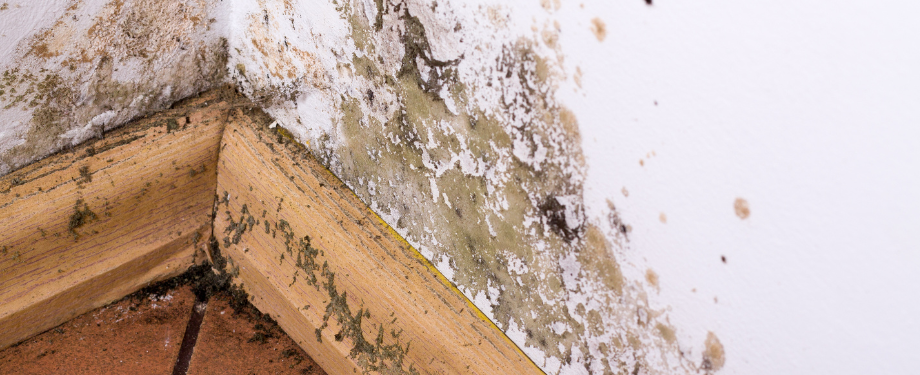
- Mold spores: Moisture in ducts, coils, or drain pans allows mold to grow. Once spores enter the airstream, they land on surfaces throughout the home and can spread further.
- Pest debris: Dead insects, rodent droppings, and nesting material sometimes end up in ductwork, and the air blowing across them ends up in your rooms.
How does HVAC cleaning improve indoor air quality?
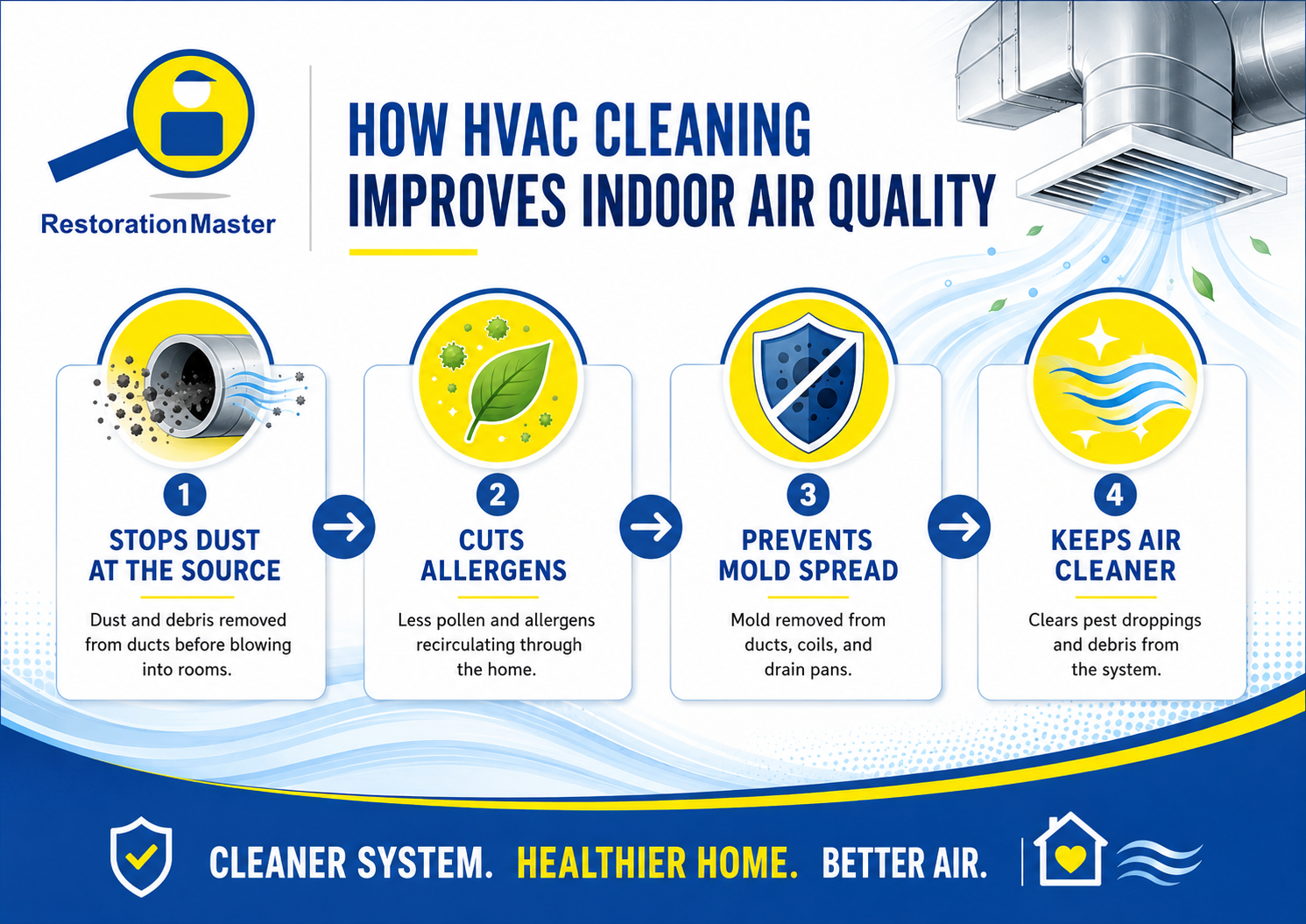
Think of your HVAC system as the lungs of your home: it pulls air in, conditions it, and pushes it back out through the ducts, registers, and coils. Professional cleaning removes the contaminants that have accumulated in those components, so they stop circulating through your air. Specifically, a thorough cleaning:
- Removes dust and debris at the source instead of letting it blow back into your rooms
- Reduces the pollen and allergens recirculating through the home, which can ease allergy symptoms
- Eliminates mold growth in ducts, coils, and drain pans before spores spread to other areas of the house
- Clears out pest droppings and debris so the air passing through the system stays clean
A clean system also runs more efficiently. When ducts and coils are free of buildup, air flows without obstruction, the system works less hard, and heating and cooling costs tend to come down. The Department of Energy estimates that a dirty evaporator coil and clogged filter alone can raise an air conditioner’s energy use significantly.
What are the signs your HVAC system needs professional cleaning?
Watch for these warning signs:
- Reduced airflow from vents
- Visible dust on registers or dusty surfaces shortly after cleaning
- A burning or dusty smell when the system runs
- Increased allergy symptoms indoors
- Signs of mold or moisture near HVAC components
- Unusual noises from the system
- Higher energy bills without a change in usage
- The system taking longer than usual to heat or cool the home
Any one of these is worth a call to a professional duct cleaning company for an inspection. If you spot visible mold growth near vents or smell persistent mustiness, that may point to a moisture problem beyond the ductwork, and a mold remediation inspection is the safer first step.
Common myths about HVAC cleaning
“Changing the Air Filter is Enough”
Filters catch a lot, but they don’t clean what’s already inside the ducts, coils, and drain pans. Skipping regular cleaning and maintenance can also let performance problems, like restricted airflow or pressure imbalances, go unnoticed until they cause a breakdown.
“Dirty Ducts are Just a Cosmetic Issue”
Some of the most harmful contaminants, such as mold spores, bacteria, and fine pollen, aren’t visible from the register. They can still trigger allergies, aggravate respiratory conditions, and spread through the home.
“Every Home Needs Frequent Duct Cleaning”
This one cuts the other way, and it is where we differ from companies that push annual cleanings. Most homes do not need ducts cleaned every year. The National Air Duct Cleaners Association (NADCA) recommends cleaning every 3 to 5 years for most households. Cleaning becomes important sooner if there is visible mold, a pest infestation, or heavy dust and debris after a renovation. If a company tells you every home needs yearly duct cleaning, get a second opinion.
How can you keep indoor air quality good between professional cleanings?
- Change HVAC filters regularly, and more often if you have pets or high dust levels
- Vacuum with a HEPA-filter vacuum and dust surfaces at least weekly
- Use low-VOC cleaning products to limit volatile organic compounds
- Improve ventilation by opening windows and running exhaust fans
- Control humidity to prevent mold growth, especially in coastal Rhode Island
- Run an air purifier to capture allergens, dust mites, and mold spores
- Have gas stoves, heaters, and other combustion appliances inspected yearly to guard against carbon monoxide
- Schedule regular HVAC maintenance so small issues do not become expensive ones
Breathe easier with professional air duct cleaning
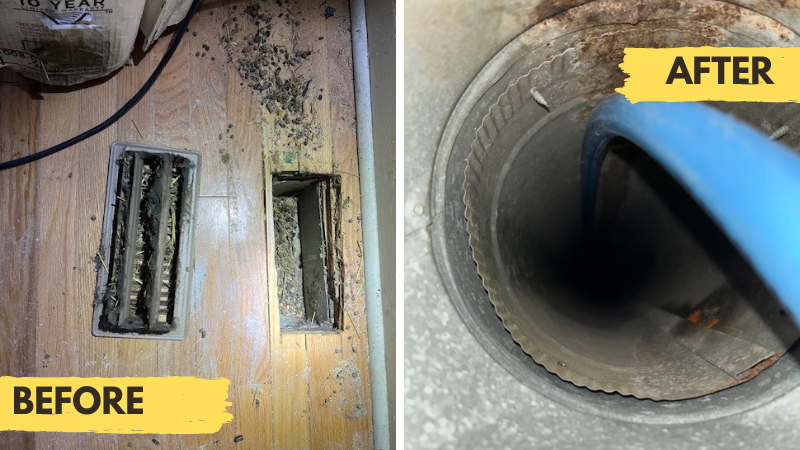
You can’t clean what you can’t reach, and most of your HVAC system is out of reach for household tools. Professional duct cleaning removes the dust, allergens, mold spores, and pest debris that build up where you can’t see them, so the air circulating through your home is clean. Done every few years, it also keeps your system running efficiently and helps prevent breakdowns that leave you without heat or air conditioning when you need it most.
If it’s been years since your ducts were cleaned, or you’ve noticed dusty vents, musty smells, or worsening allergies at home, RestorationMaster provides professional air duct cleaning. Our technicians use professional equipment to clean every component of your HVAC system, including the air ducts, coils, drip pans, vents, and registers, and can answer your questions about keeping your indoor air quality high between visits.
Call RestorationMaster at (401) 205-8130 for a free estimate.
Frequently Asked Questions (FAQs)
How often should air ducts be cleaned?
Every 3 to 5 years for most homes, per NADCA guidelines. Sooner if you have visible mold, a pest infestation, recent renovation dust, or a household member with severe allergies or asthma.
Does duct cleaning actually improve air quality?
Cleaning removes accumulated dust, allergens, mold, and pest debris from the system so it stops recirculating through your home. Results are most noticeable in homes with visible contamination, moisture problems, or worsening indoor allergy symptoms. If your ducts are already clean, cleaning them again will not produce a benefit, which is why an inspection comes first.
How long does professional duct cleaning take?
Most single-family homes take 2 to 4 hours, depending on the size of the system and the level of buildup.
Is duct cleaning worth it?
It depends on the condition of your system. If you have visible mold, pest activity, renovation dust, or allergy symptoms that worsen indoors, cleaning removes the source. If your ducts are already clean, it will not produce a noticeable benefit. That is why we start with an inspection rather than selling a cleaning by default.
Can dirty air ducts make you sick?
Dirty ducts can circulate mold spores, dust, and allergens that aggravate allergies, asthma, and respiratory irritation, especially in sensitive individuals. They are rarely the sole cause of illness, but they can make existing symptoms worse.

About Beth Markowski-Roop
Beth Markowski-Roop is an experienced disaster restoration professional with more than 12 years in the industry, beginning her career in 2012. She has an extensive background in marketing, sales, public relations, and media, along with a proven ability to educate and engage audiences through workshops and seminars across multiple industries. Throughout her career, Beth has supported restoration businesses in business development, field marketing, and client relations. She currently serves as the Marketing & Sales Director for a local restoration company, where she focuses on disaster restoration and floor care services. Beth also works closely with individuals and families affected by hoarding disorder and regularly conducts educational seminars on the topic.