


How to Repair a Leaking Shower Head: 5 Steps
A dripping showerhead can be more than just an annoyance; it wastes significant amounts of water and even leads to water damage over time. The good news is, whether you’re a DIY enthusiast or...
Find a Local Service Provider
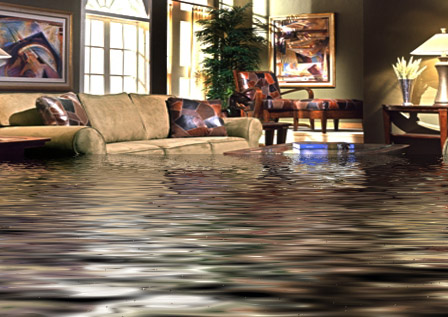
Water damage can occur suddenly or develop slowly over time, affecting walls, ceilings, flooring, insulation, and structural components. Whether caused by burst pipes, roof leaks, appliance failures, flooding, or sewage backups, untreated water intrusion can lead to serious structural deterioration and mold growth within 24 to 48 hours.
In this category, you will find comprehensive guides explaining the causes of water damage, how to identify early warning signs, and the critical steps to take immediately after discovering water in your property. Topics include emergency water extraction, moisture detection, structural drying, dehumidification, damage assessment, and mold prevention strategies.
You will also learn about different water contamination categories – clean water, gray water, and black water – and why proper mitigation techniques vary depending on the source. Whether you are dealing with a minor leak or extensive flooding, these resources provide practical, step-by-step insight into protecting your property and restoring safe conditions.
When water damage extends beyond simple cleanup, professional water restoration services use advanced equipment and proven processes to fully dry, sanitize, and repair affected areas helping prevent long-term structural and health issues.
A dripping showerhead can be more than just an annoyance; it wastes significant amounts of water and even leads to water damage over time. The good news is, whether you’re a DIY enthusiast or...
Water in a Boston home can go from small problem to major repair very quickly. In this guide, we walk through the top mistakes homeowners make in the first 24 hours after a leak or basement seep and explain what to do instead so you can limit damage and start recovery the right way.
Sinkholes are one of nature’s most fascinating and unpredictable geological phenomena. They can range from small, harmless depressions to massive collapses that cause significant damage to infrastructure and pose serious safety risks. Understanding how...
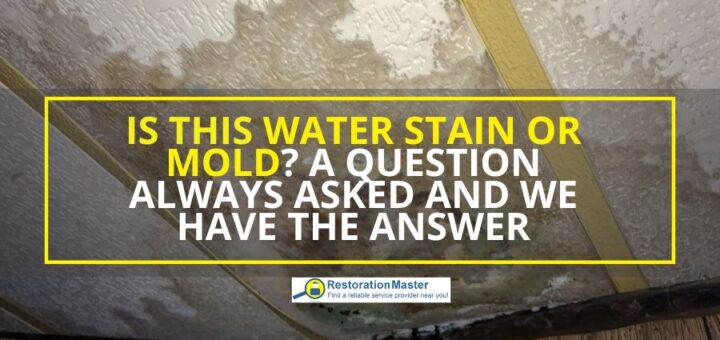
If you’ve noticed stains or discoloration on your walls, ceilings, or other surfaces in your home, it’s important to determine whether you’re dealing with simple water stains or mold growth. While both can look...
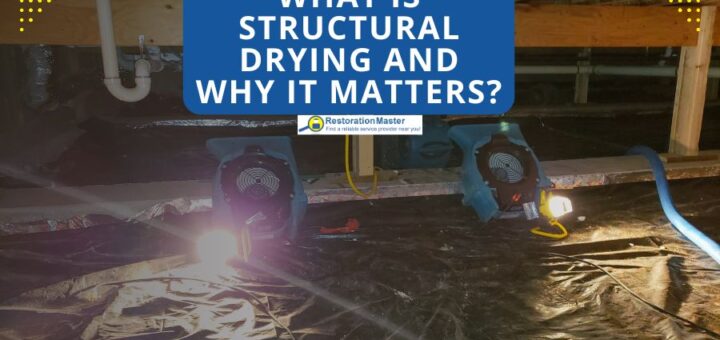
Summary: Water damage isn’t just about what you see on the surface. Structural drying tackles the hidden moisture inside your home to stop mold, rot, and costly repairs before they happen. Learn why it’s...
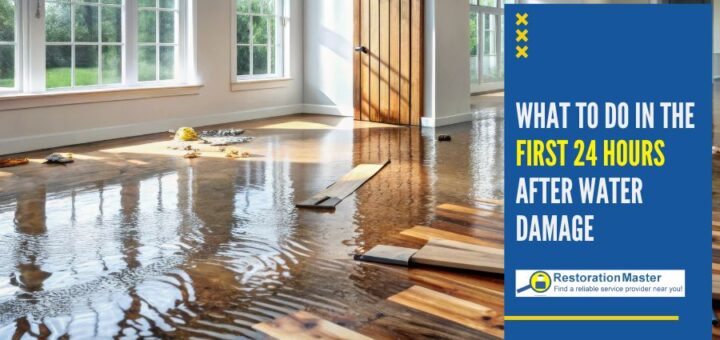
Summary: Water damage can happen when you least expect it, and acting quickly makes all the difference. This simple guide walks you through what to do in the first 24 hours to protect your...
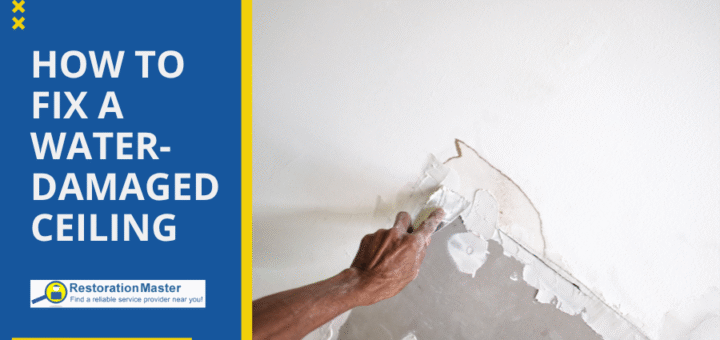
Dealing with a water-damaged ceiling can be both stressful and costly. That’s why it’s crucial to act immediately if you spot signs of water damage, such as staining, peeling, or bulging. For smaller areas,...
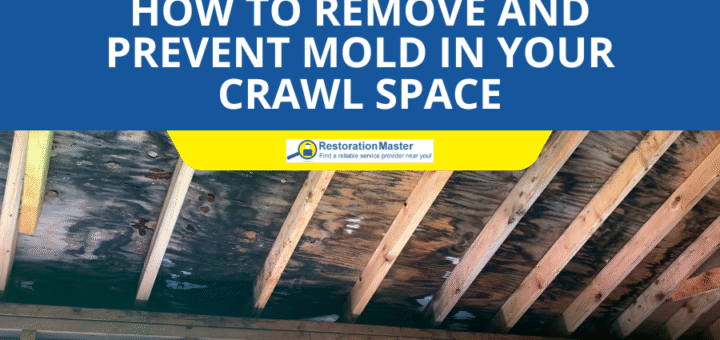
Mold in your crawl space isn’t just an eyesore; it’s a warning sign. It signals moisture problems that could compromise your home’s structure, air quality, and your family’s health. Unfortunately, crawl spaces are often...
Dealing with water damage, whether from a recent flood or a leaking pipe in your basement, can be incredibly stressful and overwhelming. The cleanup process is not only time-consuming but can also become costly...
If you’ve ever walked into your basement and caught the faint scent of dampness—or worse, discovered standing water—you’re not alone. Basements are naturally prone to water intrusion. Whether your home is decades old or...