What Is Structural Drying and Why Does It Matter?
Summary: Water damage isn’t just about what you see on the surface. Structural drying tackles the hidden moisture inside your home to stop mold, rot, and costly repairs before they happen. Learn why it’s important and how it protects your home and health.
Water damage is a serious problem that can happen anywhere, anytime—whether from a burst pipe, heavy rainfall, flooding, or leaks. While removing visible water is the first step in recovery, there’s a deeper, more critical process that often gets overlooked: structural drying.
This process goes beyond surface cleanup to dry the hidden moisture inside your home or building’s structure, protecting your property from long-term damage and health risks. In this guide, we’ll explore what structural drying is, why it’s essential, how it works, and what happens if you skip it.
What Is Structural Drying?
Structural drying refers to the professional method of removing moisture trapped inside building materials after water damage. This includes drying out:
- Wooden framing and beams
- Subflooring and concrete slabs
- Drywall and insulation
- Ceilings, walls, and floors
- Carpets and padding
Water can seep deep into these materials, and if left wet, it can cause mold growth, rot, warping, and weakening of your building’s integrity.
Why Structural Drying Matters
1. Keep Your Family Healthy by Preventing Mold Growth
Mold isn’t just something ugly to look at—it’s a real health risk. When water sits around too long, mold spores jump into action, growing fast—sometimes in just a day or two.
If mold takes hold, it can cause sneezing, coughing, worsen asthma, and even bring on headaches or skin irritation.
That’s why getting professional structural drying done quickly matters. It dries out the moisture mold needs, helping keep your home fresh and everyone inside feeling good.
For more information, learn how to prevent mold after water damage.
2. Protect the Backbone of Your Home
Water doesn’t just hang out on the surface—it sneaks into the wood, drywall, and metal parts that hold your home together.
When these materials stay wet, they start to warp, soften, or rust, which weakens your walls, floors, and ceilings. Over time, this can lead to sagging floors or cracked walls—things no homeowner wants to deal with.
Taking care of structural drying early helps you avoid expensive repairs and keeps your home solid and safe.
3. Save Yourself Time, Money, and Stress
Trying to skip or delay proper drying might seem like a shortcut, but it usually backfires. Moisture left behind can cause mold to spread and materials to rot, meaning bigger, more expensive repairs down the road.
Plus, insurance companies usually want proof you used professional drying before they approve your claims. Doing it right the first time saves you from rejected claims and surprise costs.
4. Make Your Home Comfortable and Valuable Again
A damp home just doesn’t feel right. That musty smell, peeling paint, or warped floors make it less inviting and harder to enjoy.
Good structural drying doesn’t just dry things out—it restores comfort, protects your home’s value, and makes your space a healthier, happier place to live.
How Does Structural Drying Actually Work?
Structural drying isn’t just about turning on a fan and hoping everything dries out. It’s a carefully planned, multi-step process carried out by trained professionals using specialized tools. Here’s how it typically unfolds:
Step 1: Thorough Inspection and Moisture Detection
The first step is to figure out exactly where the moisture is hiding. Experts don’t just look for puddles or damp spots—they use high-tech equipment like moisture meters, thermal imaging cameras, and hygrometers to detect moisture trapped inside walls, under floors, and behind ceilings. This helps create a detailed moisture map, so no wet spots are missed.
Step 2: Fast and Efficient Water Extraction
Once the inspection is complete, all standing water is removed as quickly as possible. Using powerful pumps and wet/dry vacuums, technicians suck up water to stop it from soaking deeper into your home’s structure. The sooner this step is done, the less damage you’ll have down the line.
Step 3: Strategic Airflow and Ventilation
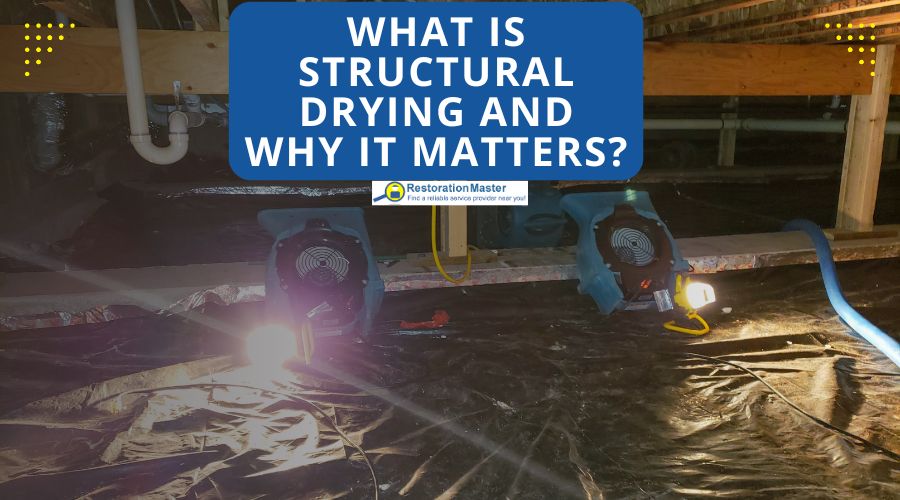
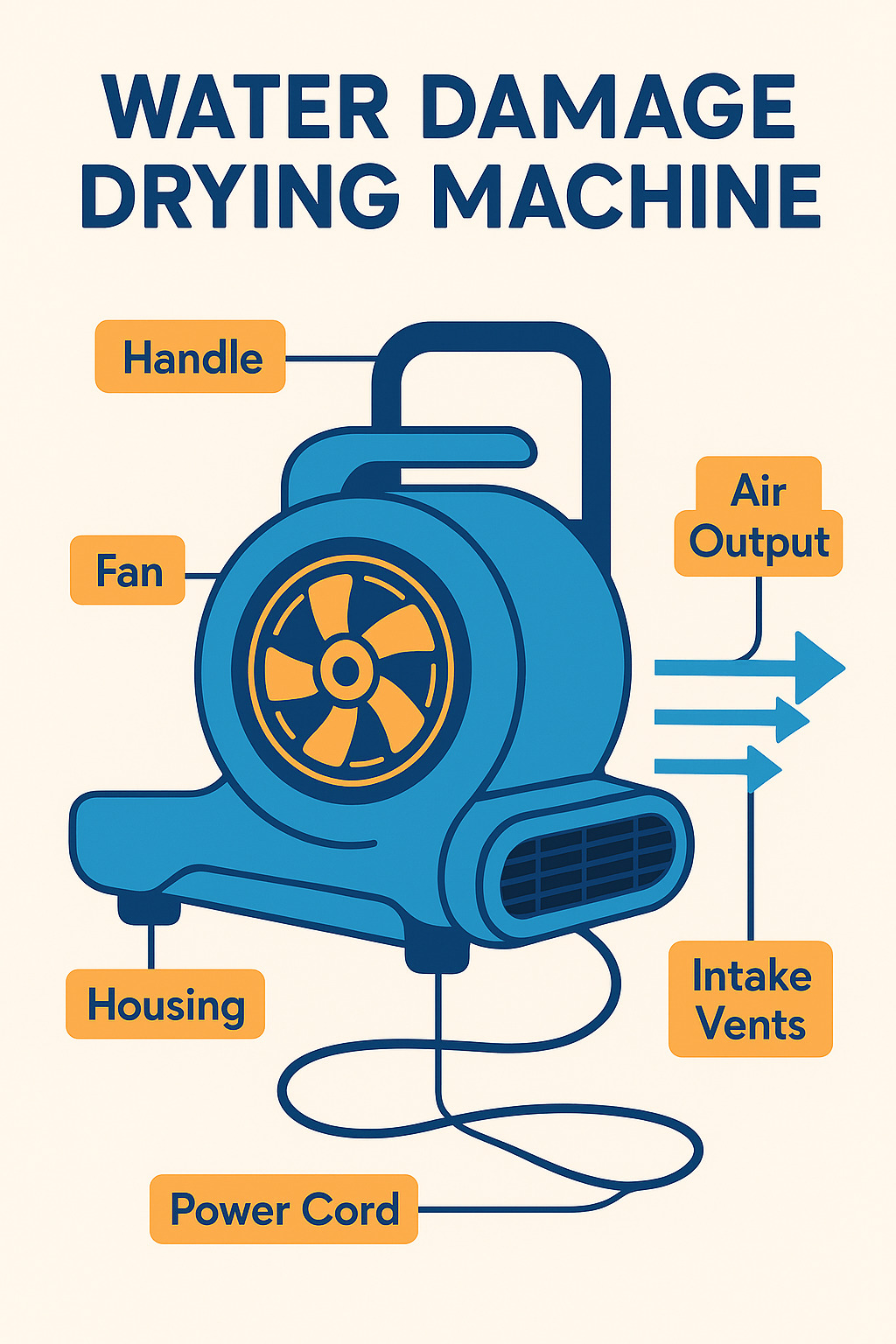
Next, industrial-grade air movers (basically supercharged fans) are set up to blow air across wet surfaces. This air circulation helps pull moisture out of walls, floors, and other materials and pushes it into the air, where it can be removed.
Step 4: Dehumidification to Pull Moisture Out of the Air
Drying the materials is only part of the battle. Moisture evaporates into the air, and if left there, it can settle back into the building. That’s where dehumidifiers come in—they pull excess water vapor from the air and release dry air back into the space. Depending on the severity and environment, different types of dehumidifiers might be used to maximize effectiveness.
Step 5: Ongoing Monitoring and Adjustments
Structural drying isn’t “set it and forget it.” Professionals regularly check moisture levels and humidity using their instruments to track progress. If certain areas aren’t drying as expected, they reposition equipment or adjust settings to focus on stubborn moisture spots until everything reaches safe dryness.
Step 6: Final Check and Confirmation
When readings confirm that all materials are dry and stable, the drying phase is complete. A final inspection ensures your home or building is no longer at risk for mold or structural damage, and detailed reports are often provided to document the results for insurance or your peace of mind.
For a deeper dive into the detailed steps of water damage drying, check out our previous article: The Drying Process for Water Damage Restoration
Warning Signs That Structural Drying Is Necessary
Sometimes water damage isn’t obvious, but these signs can hint that moisture is lurking where it shouldn’t be:
- A damp, musty smell that won’t go away
- Floors or walls that look warped, swollen, or buckled
- Paint or wallpaper peeling off unexpectedly
- Drywall or baseboards that feel soft or crumbly to the touch
- Allergies or respiratory symptoms that worsen indoors
- Visible mold spots or mildew growth
If you notice any of these warning signs—especially after a leak, flood, or heavy rain—it’s time to call in the experts.
Structural Drying VS Surface Drying: What’s The Difference?
| Aspect | Surface Drying | Structural Drying |
|---|---|---|
| Focus | Visible water and wet surfaces | Hidden moisture trapped inside building materials |
| Equipment Used | Household fans, towels | Industrial air movers, powerful dehumidifiers, moisture meters, thermal cameras |
| Time Needed | A few hours to a day | Several days to sometimes weeks, depending on damage |
| Result | Temporary surface dryness | Thorough drying that prevents future damage and mold growth |
| Risk if Skipped | Water damage can return; mold growth | Long-term structural damage, costly repairs, and health hazards |
Simply drying the surface might make things look better temporarily, but without professional structural drying, hidden moisture can cause major problems later on.
Common Questions About Structural Drying
Is structural drying covered by insurance?
Many homeowner’s insurance policies cover sudden water damage and the associated professional drying, but coverage varies. It’s important to review your policy and work with restoration experts who document the drying process thoroughly to support your claim.
Can I dry out my property myself?
While you can help by removing standing water and opening windows, true structural drying requires specialized equipment and expertise. Attempting to do it yourself risks leaving moisture trapped inside your walls or floors, which can lead to mold and structural damage.
What happens if I ignore structural drying?
If structural drying isn’t done properly, moisture lingers inside your home, creating the perfect environment for mold to grow and wood to rot. Over time, this hidden dampness can cause unpleasant odors and seriously weaken walls, floors, and other building materials. The longer it goes untreated, the more costly and complicated repairs become—and it can also put the health of everyone inside at risk.
nbsp;

About Vince Sandri
Vince Sandri is a disaster restoration content specialist with more than 12 years of experience researching, writing, and educating property owners about water damage, fire and smoke damage, mold remediation, storm damage, and other disaster recovery topics. Since 2014, he has served as the lead contributor to RestorationMaster.us, where he has developed hundreds of in-depth service pages, educational guides, and industry-focused articles for restoration professionals across the United States.
Through extensive research and ongoing collaboration with restoration contractors, Vince has built a strong foundation in the science, processes, and best practices behind property damage mitigation and recovery. His work aligns with industry standards like the IICRC and EPA guidelines, and helps homeowners, business owners, and property managers understand how disasters impact structures, what immediate steps to take, how professional restoration works, and how to prevent long-term structural and health risks.
Vince specializes in translating complex restoration procedures — including water extraction, structural drying, smoke odor removal, mold containment, and storm damage repair — into clear, actionable information that empowers readers to make informed decisions during high-stress situations. His content aligns with industry standards and focuses on safety, accuracy, and practical response strategies.
He earned his Bachelor of Arts degree from Aurora University and his master’s degree from DePaul University. Since 2012, Vince has focused on SEO-driven website content, technical service pages, and educational resources within the disaster restoration industry.
Outside of his professional work, Vince is also a musician and performs in the Chicago, IL area.