


The Drying Process for Water Damage Restoration: In-Depth Guide to Safeguarding Your Property
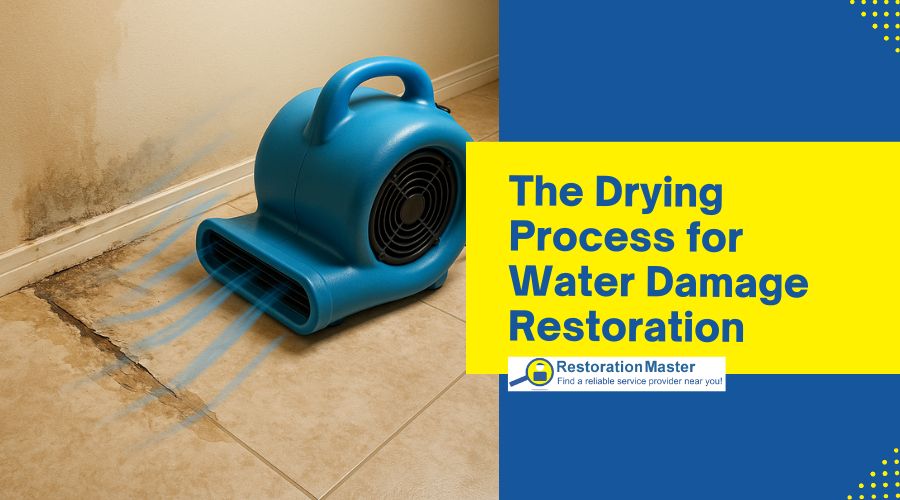
Summary: Discover the 7-step professional drying process used to restore water-damaged properties—fast, effective, and designed to prevent long-term issues. From powerful extraction to precision moisture monitoring, every step is key.
Water damage is one of the most urgent threats to the integrity and safety of any property. It can result from natural disasters like flooding, sudden incidents such as burst pipes, or long-term issues like leaks and high indoor humidity. The process of drying and restoring your home or business after water damage is critical—not only to repair visible damage but to prevent hidden, long-term problems that can compromise structural soundness and human health.
This comprehensive guide dives deep into the scientific principles, advanced methodologies, and best practices of water damage drying, empowering you with the knowledge to act decisively and understand why professional intervention is indispensable.
Understanding Water Damage: The Invisible Threat Beyond What Meets the Eye
Water damage is often underestimated because much of its impact happens beneath surfaces. When water infiltrates your home, it seeps into porous materials such as drywall, insulation, wood framing, flooring, and upholstery. These materials absorb water and retain moisture for extended periods if not properly dried.
Hidden moisture leads to serious consequences:
- Structural Degradation: Water weakens wood by causing swelling, warping, and ultimately rot, jeopardizing the load-bearing capacity of beams, studs, and flooring. Drywall can lose its integrity, crumble, or delaminate.
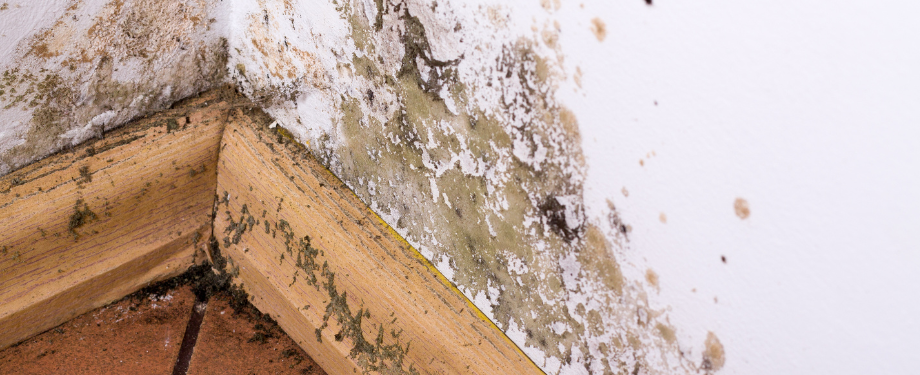
- Health Hazards: Persistent moisture fosters the growth of mold, mildew, bacteria, and other pathogens. Mold spores are microscopic and airborne, posing respiratory risks, triggering allergies, and potentially leading to serious illnesses.
- Electrical and Fire Hazards: Water contact with electrical wiring, outlets, and appliances can cause short circuits, increasing the risk of fire and electrocution.
- Economic Loss: Untreated water damage can escalate repair costs exponentially, reduce property value, and complicate insurance claims.
Because of these risks, effective drying must target all affected materials—both visible and hidden—and halt the progression of moisture-related damage.
The Critical Importance of Immediate and Effective Drying
Time is the most important factor in water damage restoration. Scientific research and industry standards (IICRC S500) underscore that mold growth can begin within 24 to 48 hours of water exposure. Delaying drying gives mold spores the opportunity to colonize surfaces and materials, making remediation far more complicated and expensive.
Early drying delivers multiple benefits:
- Limits the spread and penetration of moisture into building materials.
- Prevents microbial colonization, reducing health risks and odor problems.
- Reduces overall damage severity, thereby lowering repair and replacement costs.
- Simplifies insurance claims by showing timely, documented mitigation efforts.
- Improves restoration timelines, allowing occupants to return to normal sooner.
The Science of Drying: Balancing Airflow, Temperature, and Humidity
Water damage drying is fundamentally a moisture management process involving evaporation, air movement, and moisture removal.
- Evaporation: Moisture held in wet materials changes from liquid form into water vapor. This phase change is driven by temperature and humidity differentials between the wet material and surrounding air.
- Airflow: Moving air removes the moisture-laden vapor away from the wet surface, preventing saturation of the air immediately above it and allowing evaporation to continue. Proper air circulation is key to speeding up drying.
- Dehumidification: As evaporation increases humidity in the air, moisture removal devices (dehumidifiers) extract water vapor to maintain a low relative humidity. Without dehumidification, high humidity slows evaporation and prolongs drying.
Optimizing these three elements requires balancing heat (warmer air accelerates evaporation), airflow patterns, and humidity control—a process that restoration professionals carefully engineer.
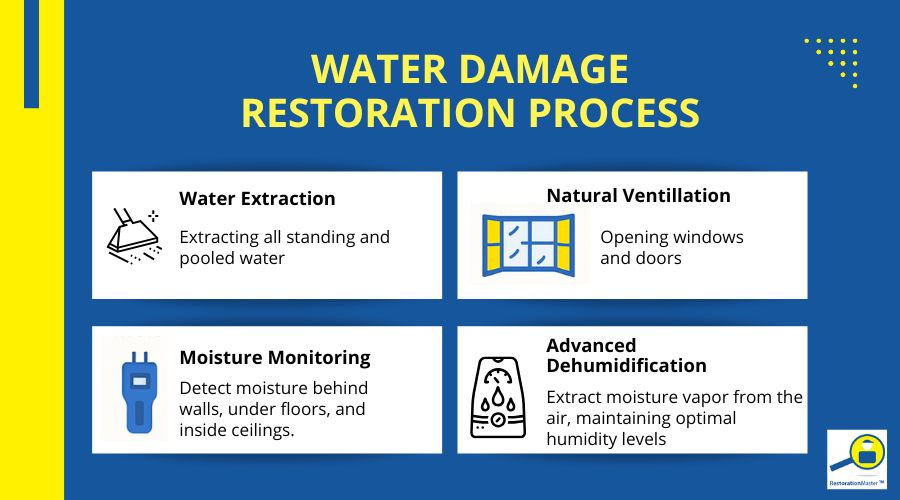
Step-by-Step Breakdown of the Modern Water Damage Drying Process
Step 1: Thorough Water Extraction
Extracting all standing and pooled water is the foundational step. Industrial-grade equipment is used:
- Submersible Pumps: For large volumes of water, pumps remove water quickly from basements, crawl spaces, and flood zones.
- Truck-Mounted and Portable Extractors: These powerful vacuum systems remove water embedded in carpets, padding, and flooring layers. They can extract water far more effectively than manual methods.
- Wet/Dry Shop Vacs: Specialized for smaller amounts of water and tight spaces, but not a substitute for professional extractors.
Immediate water removal prevents saturation and limits damage to structural materials.
Step 2: Controlled Natural Ventilation (When Feasible)
Opening windows and doors can encourage natural airflow if outdoor conditions are dry and temperature-controlled. This passive method is only effective in certain climates and is rarely sufficient for serious water damage.
Step 3: Mechanical Air Movement
Specialized air movers and axial fans are deployed strategically to push air at high velocity over wet surfaces. These devices:
- Increase evaporation rates by replacing moist air near wet materials with drier air.
- Are moisture-resistant and designed to operate in damp environments without risk of damage or short circuits.
- Target hard-to-reach areas such as wall cavities, under cabinets, and beneath flooring layers.
- This step requires expertise in positioning and equipment selection to ensure even drying and prevent moisture pockets.
Step 4: Advanced Dehumidification
As evaporation occurs, the air’s moisture content rises, potentially reaching saturation and halting further drying. Industrial dehumidifiers are used to:
- Extract moisture vapor from the air, maintaining optimal humidity levels (typically 30-50% relative humidity).
- Utilize two main technologies:
-
-
Refrigerant Dehumidifiers: Cool air to condense moisture; effective in moderate temperature ranges.
-
Desiccant Dehumidifiers: Use moisture-absorbing materials for very low temperatures or high humidity environments.
-
Continuous dehumidification keeps drying efficient and protects against condensation on cold surfaces.
Step 5: Continuous Moisture Monitoring
Restoration experts employ sophisticated tools to track drying progress:
- Pin and Pinless Moisture Meters: Measure moisture content in wood, drywall, and concrete without destroying materials.
- Thermal Imaging Cameras: Detect moisture behind walls, under floors, and inside ceilings by identifying temperature differences caused by water.
- Hygrometers: Monitor air temperature and relative humidity to maintain ideal drying conditions.
Ongoing data collection allows technicians to adjust drying equipment in real-time and verify when affected materials have returned to safe moisture levels.
Step 6: Removal or Treatment of Saturated Materials
Porous materials like drywall, insulation, carpets, and upholstered furniture often absorb water beyond the point of effective drying and require removal to prevent mold growth. Non-porous surfaces such as tile, concrete, and metal can usually be dried and sanitized.
Restoration teams assess each material’s salvageability based on water contamination levels (clean, gray, or black water) and extent of saturation.
Step 7: Use of Desiccants and Specialized Drying Techniques
For items sensitive to airflow or enclosed spaces where air movement is limited, desiccants such as silica gel, calcium chloride, or clay compounds absorb moisture over time. These materials are sealed in airtight containers with the wet item and monitored until dryness is achieved.
Additionally, advanced methods like injectidry systems deliver heated air directly into wall cavities or floorboards to accelerate drying in concealed areas.
For a deeper look at the drying timeline, read our guide: How Long Does It Take to Dry Out Water Damage?
Cutting-Edge Technologies Revolutionizing Water Damage Restoration
Since earlier restoration methods, the industry has incorporated innovative tools and approaches that improve drying effectiveness and accuracy:
- Thermal and Infrared Imaging: Pinpoint hidden moisture without invasive demolition, preserving property while ensuring thorough drying.
- Remote Moisture Sensors: Allow continuous, real-time monitoring of drying progress from offsite locations.
- HEPA Air Scrubbers: Trap mold spores and airborne contaminants released during drying, safeguarding indoor air quality.
- Data-Driven Drying Plans: Software analyzes moisture data to optimize drying equipment settings, reducing downtime and cost.
- Environmentally Friendly Biocides and Cleaning Agents: Used during remediation to eliminate bacteria and fungi without harsh chemical residues.
These technologies not only speed restoration but improve occupant safety and long-term outcomes.
Immediate Actions You Can Take Before Professionals Arrive
While waiting for restoration experts, consider the following measures to reduce damage:
- Stop the water source if safe to do so (turn off main water valve).
- Move valuables and electronics away from affected areas.
- Avoid walking on wet carpets or floors to prevent tracking contaminants.
- Open windows and doors only if outdoor conditions are dry and warm.
- Avoid using HVAC systems unless inspected, to prevent spreading contaminants.
- Use portable fans or dehumidifiers if you have them and it is safe.
- Remove soaked rugs and cushions and dry them outdoors if possible.
Remember, avoid electrical appliances or outlets near water and never use household vacuums to extract water.
The Indispensable Role of Professional Water Damage Restoration Services
Certified restoration companies bring unparalleled benefits:
- Expertise: Technicians trained and certified by IICRC and other industry bodies understand water categories (clean, gray, black water) and appropriate responses.
- Equipment: Industrial-grade pumps, extractors, air movers, and dehumidifiers far outperform consumer-grade options.
- Safety: Proper handling of contaminants, biohazards, and mold.
- Comprehensive restoration: From drying to structural repairs, sanitization, deodorization, and finishing.
- Insurance assistance: Professional documentation simplifies claims.
- Long-term protection: Recommendations for moisture control and mold prevention post-restoration.
DIY efforts rarely match the thoroughness or safety provided by pros and often result in recurring problems.
Mold Prevention and Sustained Indoor Environmental Quality
Proper drying alone isn’t always enough to prevent mold. Restoration specialists typically:
- Apply antimicrobial and antifungal treatments to vulnerable surfaces.
- Clean and disinfect HVAC systems to prevent mold spores spreading through ventilation.
- Use air scrubbers and filters to capture airborne spores during and after restoration.
- Provide homeowners with guidance on controlling humidity, ventilation, and detecting signs of moisture intrusion early.
Don’t wait—call a trusted water damage restoration professional today to stop the damage and start the recovery.
Frequently Asked Questions
What are the signs that something hasn't dried properly?
Incomplete drying is a common issue in DIY restoration and can lead to hidden mold growth, structural deterioration, or air quality problems. Warning signs include:
- Persistent musty or earthy odors
- Discoloration or staining on walls, ceilings, or floors
- Peeling paint or wallpaper
- Warping or buckling of wood or flooring
- Visible mold growth in corners or behind furniture
- Condensation on windows or cold surfaces
Professionals confirm dryness with moisture meters and thermal cameras—visual inspection alone is not reliable.
Is it necessary to remove baseboards, drywall, or flooring to dry everything?
Often, yes—especially if water has wicked up the walls or seeped beneath flooring. Here’s why:
- Baseboards and trim can trap moisture behind walls.
- Drywall acts like a sponge, and moisture can rise well above the visible damage line.
- Underlayment and subflooring can retain hidden moisture even after surface layers appear dry.
Professional restoration companies use controlled demolition (removing only what’s necessary) to expose saturated materials and apply direct drying.
Will my insurance cover the cost of drying and restoration?
In many cases, yes—but it depends on your policy and the cause of damage:
- Most homeowner’s insurance covers sudden and accidental water damage, like burst pipes or appliance failures.
- Flooding from natural disasters usually requires separate flood insurance.
- Insurers typically require proof of timely action, such as calling a restoration company and preventing further damage.

About Vince Sandri
Vince Sandri is a disaster restoration content specialist with more than 12 years of experience researching, writing, and educating property owners about water damage, fire and smoke damage, mold remediation, storm damage, and other disaster recovery topics. Since 2014, he has served as the lead contributor to RestorationMaster.us, where he has developed hundreds of in-depth service pages, educational guides, and industry-focused articles for restoration professionals across the United States.
Through extensive research and ongoing collaboration with restoration contractors, Vince has built a strong foundation in the science, processes, and best practices behind property damage mitigation and recovery. His work aligns with industry standards like the IICRC and EPA guidelines, and helps homeowners, business owners, and property managers understand how disasters impact structures, what immediate steps to take, how professional restoration works, and how to prevent long-term structural and health risks.
Vince specializes in translating complex restoration procedures — including water extraction, structural drying, smoke odor removal, mold containment, and storm damage repair — into clear, actionable information that empowers readers to make informed decisions during high-stress situations. His content aligns with industry standards and focuses on safety, accuracy, and practical response strategies.
He earned his Bachelor of Arts degree from Aurora University and his master’s degree from DePaul University. Since 2012, Vince has focused on SEO-driven website content, technical service pages, and educational resources within the disaster restoration industry.
Outside of his professional work, Vince is also a musician and performs in the Chicago, IL area.