


The True Cost of Water Damage
Water is typically the cause of loss and damage that occurs in a home after a storm. In addition to storms, common causes of water damage include leaks from burst pipes or melted snow from a snowstorm. Water damage causes a wide range of unique problems in homes. What is more challenging than cleaning up the damage is estimating the repair costs. This includes the cost of the restoration and maintaining the home after the initial cleanup crew leaves. The following are several problems that are unique to water-damaged homes.
Key Takeaways
- Water damage can create serious health and safety risks, including mold growth, electrical hazards, structural damage, and contaminated water exposure.
- Mold can begin growing within 24 to 48 hours after water intrusion, making fast cleanup and drying essential.
- Homes affected by gray water or black water should be evacuated until professional remediation has been completed.
- Signs that you should leave your home include visible mold, strong musty odors, sagging ceilings, warped floors, electrical issues, and sewage contamination.
- The longer water damage is left untreated, the greater the risk of costly repairs, structural deterioration, and long-term indoor air quality problems.
- Water damage restoration costs can range from a few thousand dollars for minor incidents to tens of thousands of dollars for severe flooding or sewage backups.
- Acting quickly can help reduce restoration costs, prevent mold growth, and minimize damage to your home.
- A professional water damage restoration company can identify hidden moisture, safely restore affected areas, and help guide you through the insurance claims process.
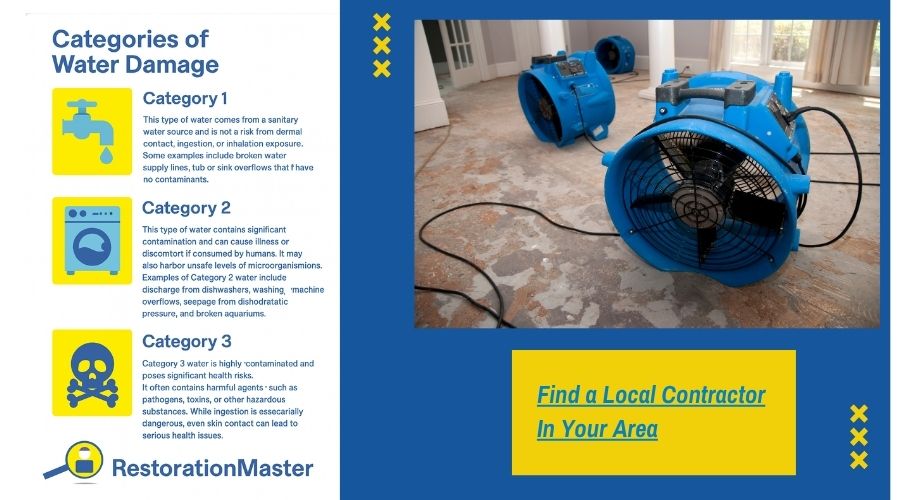
Categories of Water Damage
Water damage is classified into three main categories. Category one involves clean water that poses the smallest threat to the property, such as an overflowing sink. Category two poses a moderate level of property damage and toxic contamination. This water is called “grey water” because of the presence of mold, bacteria and viruses that may cause illness. Category three includes the presence of “black water” and the most severe damage that causes serious illnesses. This category includes water contaminated with black mold as well as raw sewage.
Water Stains
Water stains are the least severe damage caused by leaks and flooding. This type of staining can be unsightly as it discolors walls and ceilings along with furniture, carpeting and other property items.
Wood Rotting
When wood gets too wet and cannot dry off quickly enough, it begins to rot. Rotting causes wooden structures to fall apart at a person’s touch. It also leads to insect infestations that could get worse the longer that the wood remains rotted.
Corrosion
Water can rust different types of metal. The rusting can be minor and appear as a few speckles on metal pipes. In extreme cases, the rust accumulates in layers on a metal surface and can cause damage to the metal, including burst pipes in your home.
Delamination
Delamination occurs when the laminated coating is stripped off a surface. An example is a de-laminated tile or hardwood floor that is the result of flooding. This exposes the floor to more damage and increases the rate of deterioration.
Mold and Toxins
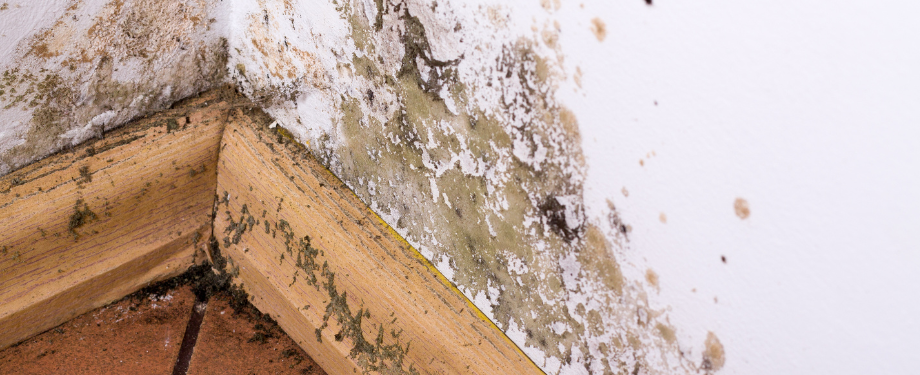
Mold is one of the most dangerous problems caused by water damage that only worsens if left untreated. Black mold is highly toxic and linked to severe respiratory illnesses. Bacteria is the worst threat to public health after a storm as these dangerous materials can accumulate in standing water. Deadly strains of bacteria can be found on any surface that is touched by highly polluted floodwater or sewage.
The True Costs of Water Damage in 2026
The cost of water damage restoration depends on several factors, including the source of the water, the extent of the damage, the affected materials, and how quickly mitigation begins.
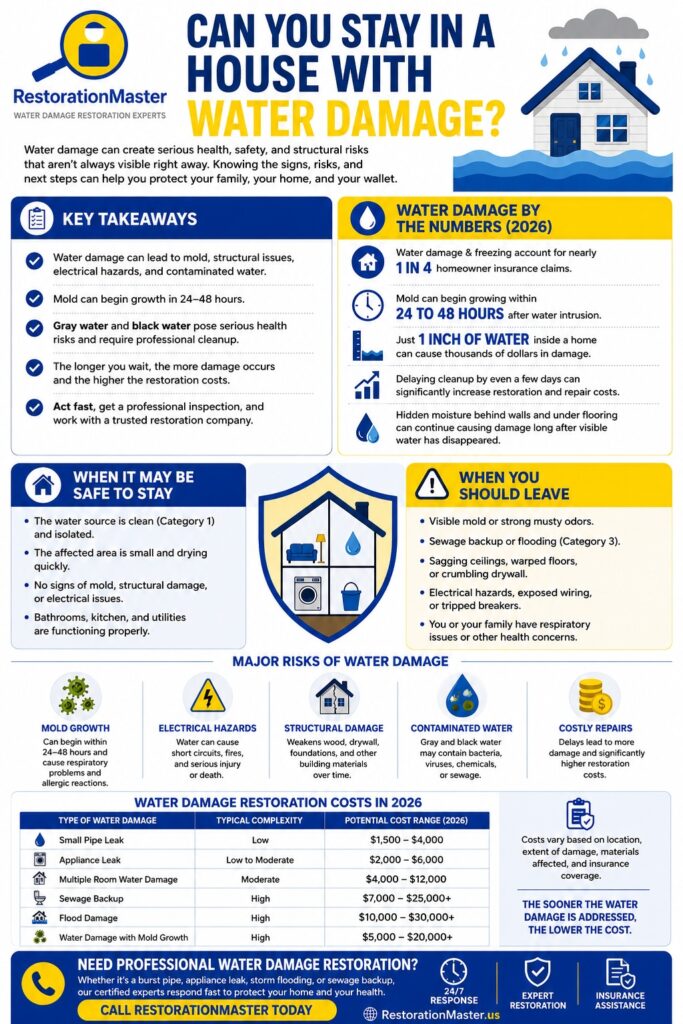
For minor incidents involving clean water and limited affected areas, homeowners may spend anywhere from $1,500 to $4,000 for extraction, drying, and restoration. Moderate water damage involving multiple rooms or significant material removal often ranges from $4,000 to $12,000.
Severe losses involving flooding, sewage backups, extensive structural damage, or mold remediation can easily exceed $15,000 to $30,000 or more, especially when reconstruction is required.
The restoration process typically includes:
- Water extraction and removal
- Structural drying and dehumidification
- Moisture detection and monitoring
- Cleaning and sanitization
- Mold prevention or remediation
- Repairs and reconstruction of damaged materials
The final cost can vary significantly based on your location, local labor rates, insurance coverage, and the amount of damage present. The sooner water damage is addressed, the lower the overall restoration costs are likely to be.
| Type of Water Damage | Typical Restoration Complexity | Potential Cost Range (2026) |
|---|---|---|
| Small Pipe Leak | Low | $1,500 – $4,000 |
| Appliance Leak | Low to Moderate | $2,000 – $6,000 |
| Multiple Room Water Damage | Moderate | $4,000 – $12,000 |
| Sewage Backup | High | $7,000 – $25,000+ |
| Flood Damage | High | $10,000 – $30,000+ |
| Water Damage with Mold Growth | High | $5,000 – $20,000+ |
Water Damage by the Numbers
Water damage remains one of the most common and costly home insurance claims in the United States. Industry data shows that:
- Water damage and freezing account for nearly one in four homeowner insurance claims.
- Mold growth can begin within 24 to 48 hours after water intrusion.
- Just one inch of water inside a home can cause thousands of dollars in damage.
- Delaying cleanup by even a few days can significantly increase restoration and repair costs.
- Hidden moisture behind walls and under flooring can continue causing damage long after visible water has disappeared.
These statistics highlight why immediate action is critical when dealing with any type of water intrusion.
Need Professional Water Damage Restoration?
Whether you’re dealing with a burst pipe, appliance leak, storm flooding, or sewage backup, acting quickly can help minimize damage and reduce restoration costs. Water can spread behind walls, under flooring, and into structural materials long before the damage becomes visible.
Our experienced restoration professionals are available to assess the damage, identify hidden moisture, develop a customized restoration plan, and help guide you through the insurance claims process.
Don’t wait for mold growth, structural issues, or costly repairs to develop. Contact RestorationMaster today for a professional inspection and fast, reliable water damage restoration services. The sooner restoration begins, the better your chances of protecting your home and avoiding more extensive damage.

About Vince Sandri
Vince Sandri is a disaster restoration content specialist with more than 12 years of experience researching, writing, and educating property owners about water damage, fire and smoke damage, mold remediation, storm damage, and other disaster recovery topics. Since 2014, he has served as the lead contributor to RestorationMaster.us, where he has developed hundreds of in-depth service pages, educational guides, and industry-focused articles for restoration professionals across the United States.
Through extensive research and ongoing collaboration with restoration contractors, Vince has built a strong foundation in the science, processes, and best practices behind property damage mitigation and recovery. His work aligns with industry standards like the IICRC and EPA guidelines, and helps homeowners, business owners, and property managers understand how disasters impact structures, what immediate steps to take, how professional restoration works, and how to prevent long-term structural and health risks.
Vince specializes in translating complex restoration procedures — including water extraction, structural drying, smoke odor removal, mold containment, and storm damage repair — into clear, actionable information that empowers readers to make informed decisions during high-stress situations. His content aligns with industry standards and focuses on safety, accuracy, and practical response strategies.
He earned his Bachelor of Arts degree from Aurora University and his master’s degree from DePaul University. Since 2012, Vince has focused on SEO-driven website content, technical service pages, and educational resources within the disaster restoration industry.
Outside of his professional work, Vince is also a musician and performs in the Chicago, IL area.