

Gas vs. Charcoal Grills: Which Is Safer for Your Backyard BBQ?
Key Summary: Gas grills cause more fires, but charcoal grills are more dangerous when misused. According to the NFPA, gas grills account for 76% of home grilling fires, but charcoal produces deadly carbon monoxide and causes severe burns from lighter fluid misuse. The safest grill is whichever one you maintain, clean, and use correctly every time.
Summer means grilling season, and with Memorial Day weekend just around the corner, millions of American households are firing up their grills for the first cookout of the season. Most are choosing between gas and charcoal. Around 64% of U.S. households own at least one outdoor grill, smoker, or barbecue, according to the National Fire Protection Association (NFPA). That is a lot of backyard cookouts, and a lot of potential for things to go wrong if you are not paying attention.
Both grill types are popular for good reason. Gas is fast and convenient. Charcoal gives you that smoky flavor that is hard to replicate. But when it comes to safety, they are not equal, and understanding the difference could prevent a serious accident or worse, a house fire.
Here is what you actually need to know.
Gas Grills: More Fires, But Manageable Risks
Gas grills dominate American backyards. The NFPA reports that 61% of households own a gas grill, and the data reflects that dominance in fire statistics too. According to NFPA data, 76% of home grilling fires involve gas-fueled grills, while only 13% involve charcoal.
Gas grills were involved in an annual average of 9,235 home fires, including over 4,600 structure fires.
So what is causing all those gas grill fires?
- Leaking gas is the number one culprit. If gas escapes and builds up around the grill before you ignite it, the result can be a sudden flash or fireball. Hoses crack over winter. Connections loosen. Most people never check until something goes wrong.
- Blocked burner tubes are another common cause. Insects, grease, and debris can clog the tubes over time. When airflow is restricted, the flame can behave unpredictably or force gas back in the wrong direction.
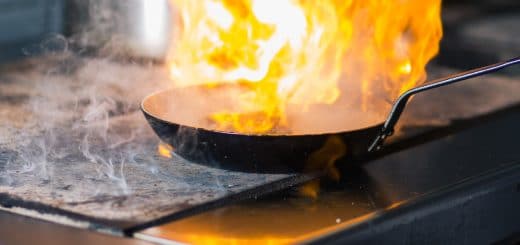
- Greasy grill grates cause flare-ups. About 20% of grill structure fires are caused by a grill that was not clean. Grease accumulates fast and it does not take much to ignite it.
- Lighting with the lid down traps gas. Always open the lid before turning on the burners. This is one of the most common mistakes people make and one of the easiest to avoid.
Before You Light a Gas Grill
- Open the lid before turning on the gas, every single time
- Check the hose and connections at the start of every season. Apply soapy water to the connections and look for bubbles, that indicates a leak
- Keep the grill at least 10 feet away from your home, siding, deck railing, or any overhang
- Clean the grates and grease trays regularly, not just at the end of the season
- Never store a propane cylinder indoors or in a garage. Even a small leak in an enclosed space is dangerous
- Always have a fire extinguisher within reach
| Risk | Cause | How to Prevent It |
|---|---|---|
| Gas leak explosion | Cracked hose or loose connection | Check connections with soapy water before every season |
| Sudden flare or fireball | Lighting with lid closed | Always open the lid before igniting |
| Grease fire | Dirty grates and drip trays | Clean the grill regularly, not just at season end |
| Blocked flame | Clogged burner tubes | Inspect burners for debris, insects, and buildup |
| Propane hazard | Indoor tank storage | Store propane cylinders outside only, away from heat |
Charcoal Grills: Fewer Fires, But Different Dangers
Charcoal grills account for a smaller share of grill fires, but they come with hazards that are easy to underestimate if you are not familiar with them.
- The biggest one is carbon monoxide. Charcoal produces it as it burns, and unlike smoke, you cannot see it or smell it. Using a charcoal grill indoors, in a garage, or even too close to an open window can be deadly. This is non-negotiable: charcoal grills are for outdoor use only, every time, with no exceptions.
- Lighter fluid causes more injuries than most people realize. The mistake is almost always the same: someone adds more fluid to coals that are already lit or still warm, and the flame travels up the stream instantly. Burns from this scenario happen every summer. Use a charcoal chimney starter instead, it is safer, cheaper over time, and produces better coals.
- Hot ash stays dangerous long after you think the grill has cooled. Charcoal ash can stay hot enough to start a fire for up to 48 hours after grilling. Dumping it in a trash bag, paper bag, or plastic bin is a fire waiting to happen. Let it cool completely and dispose of it in a metal container with a lid.
- Wind affects open-flame grills more than people expect. Embers can travel, especially on a breezy day, and land on dry grass, a wooden deck, or patio furniture nearby.
Before You Light a Charcoal Grill
- Use a charcoal chimney starter instead of lighter fluid when possible
- If you use lighter fluid, apply it before lighting only, never to lit or warm coals
- Place the grill on a stable, flat surface away from anything that can burn
- Keep children and pets at least three feet away from the grill at all times
- After grilling, let ash cool for a full 48 hours before disposal
- Dispose of cooled ash in a metal container, not plastic or paper
| Risk | Cause | How to Prevent It |
|---|---|---|
| Carbon monoxide poisoning | Burning charcoal in enclosed spaces | Always grill outdoors, never in a garage or covered porch |
| Severe burn injuries | Adding lighter fluid to lit or warm coals | Use a charcoal chimney starter or apply fluid before lighting only |
| Fire from hot ash | Disposing of ash too soon in plastic or paper | Let ash cool 48 hours and dispose in a metal container with a lid |
| Ember spread | Wind carrying embers to nearby surfaces | Position grill away from dry grass, wood decks, and patio furniture |
| Unstable grill tip-over | Uneven or soft ground surface | Always place the grill on a stable, flat surface before lighting |
So Which Grill Is Actually Safer? Charcoal vs Gas
Gas grills cause more fires. Charcoal grills cause more poisonings and burn injuries. Here is the direct comparison:
| Gas Grill | Charcoal Grill | |
|---|---|---|
| Share of home grill fires | 76% | 13% |
| Average fires per year | 9,235 | Significantly lower |
| Biggest risk | Gas leaks and flare-ups | Carbon monoxide poisoning |
| Second biggest risk | Grease fires from dirty grates | Lighter fluid burn injuries |
| Risk level when used correctly | Low | Low |
Charcoal grills are statistically safer when it comes to home fires. Gas grills are involved in nearly 6 times more grill-related fires than charcoal. However, charcoal carries a higher risk of carbon monoxide poisoning, which can be fatal, and severe burns from lighter fluid misuse.
If fire risk to your home is your main concern, charcoal wins on the numbers. If you are disciplined about checking gas lines, cleaning your grill, and keeping the lid open before igniting, a gas grill is just as safe in practice.
The grill that causes the fire is almost always one that has not been cleaned, checked, or used with basic awareness. Maintenance and habits matter more than which fuel you choose.
Safety Rules That Apply to Both
Regardless of which grill you use, these apply every time:
- Never grill on a covered porch, under an overhang, in a garage, or indoors
- Keep the grill at least 10 feet from your home or any structure
- Never leave a lit grill unattended, even for a few minutes
- Keep children and pets a safe distance away at all times
- Always have a way to fight a fire nearby, whether that is a fire extinguisher, garden hose, or bucket of sand
- Clean your grill before and after the season, and check for damage, rust, or wear
What to Do If a Grill Fire Gets Out of Control
Even careful grillers face unexpected situations. If a fire starts:
- For gas grills, turn off the gas at the tank immediately if it is safe to do so
- Keep the lid closed to cut off oxygen to the flames inside the grill
- Do not use water on a grease fire, it will make it spread
- Use a Class B fire extinguisher rated for grease and gas fires
- If the fire spreads beyond the grill itself, get everyone out and call 911
When a Grill Fire Reaches Your Home
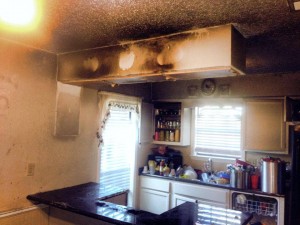
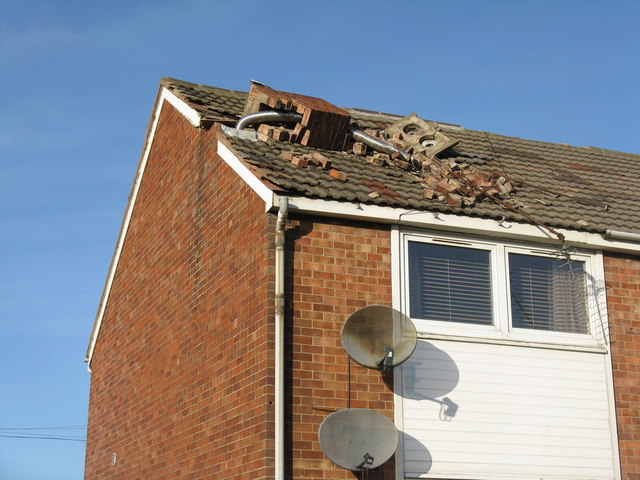
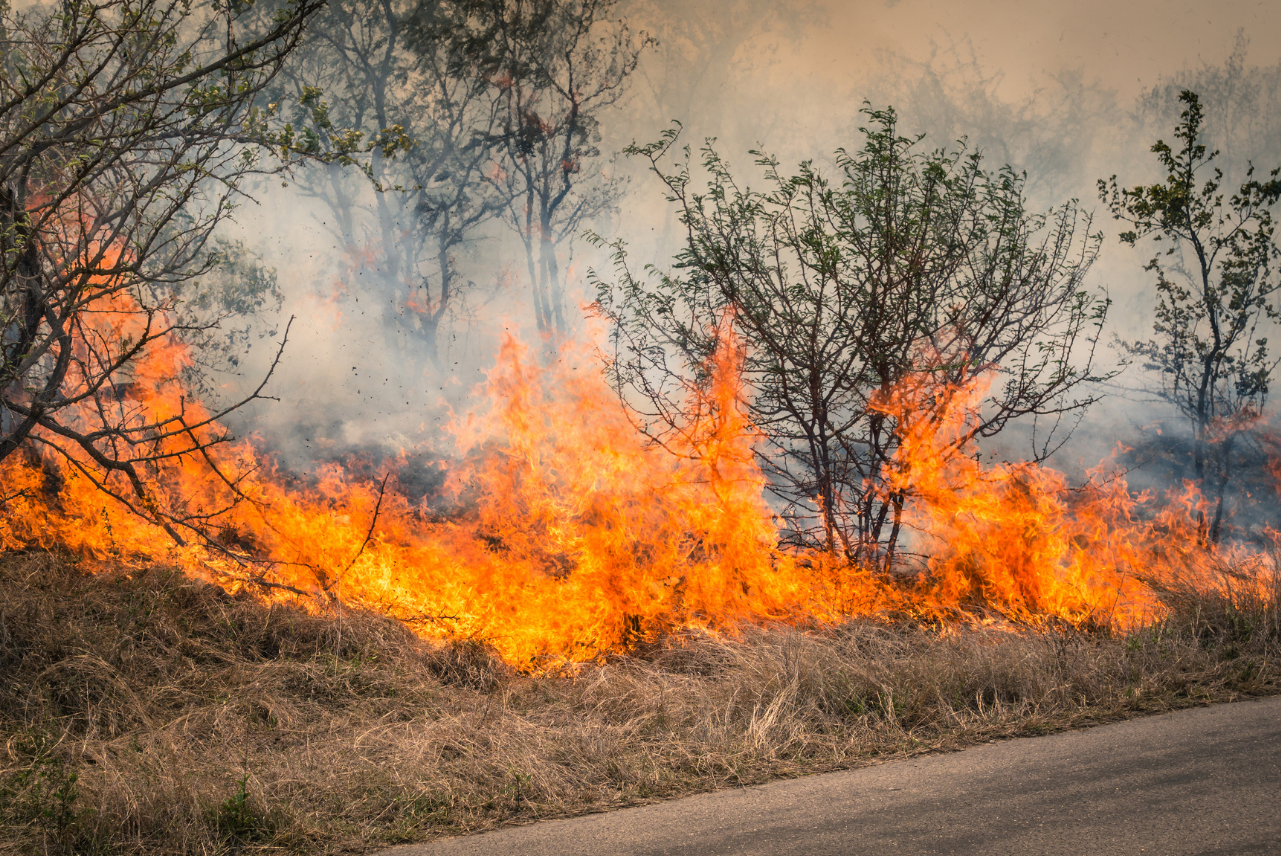
Most grill fires stay contained. But when they do spread to a deck, fence, siding, or the structure of your home, the damage can happen very quickly. Even a fire that gets put out fast can leave behind smoke damage, soot, and odor that penetrates walls, ceilings, and furniture long after the flames are gone.
Fire damage does not stop when the fire does. Soot and smoke residue continue to cause corrosion and deterioration to surfaces and materials if they are not properly treated.
If a grill fire has caused damage to your property, the most important thing you can do is act quickly and call a professional.
RestorationMaster provides emergency fire damage restoration services to help homeowners recover after a fire. Their team assesses the full extent of the damage, removes soot and smoke residue, eliminates odor, and restores your home to its condition before the fire. Whether the damage is limited to an exterior wall or has affected the interior of your home, RestorationMaster has the equipment and experience to handle it properly.
Do not wait. Fire damage gets worse the longer it goes untreated.
Call RestorationMaster today at (888) 782-0519for fast, professional fire damage restoration.
FAQs
Is it safe to use a fire pit or bonfire in my backyard?
Yes, as long as you follow basic safety rules. Keep the fire at least 10 feet from any structure, never leave it unattended, and fully extinguish it before going inside. For a full breakdown of outdoor fire safety including fire pits and bonfires, read: Safety Tips for Outdoor Bonfires and Fire Pits
Can a small grill fire cause lasting damage to my home?
Yes. Even a small fire that barely touches a structure can leave soot, smoke odor, and residue that causes long-term deterioration if not properly cleaned. Smoke particles are acidic and will continue to break down surfaces, fabrics, and materials over time. Learn more about why immediate restoration after a fire matters.
What are the most common causes of summer grill fires?
According to the NFPA, the leading causes are gas leaks, dirty grills, and unattended cooking. Charcoal grill fires are most commonly caused by lighter fluid misuse and improper ash disposal. For more summer-specific grilling fire prevention tips, read: Summer Grilling Safety Tips to Avoid Grill Fire Damage

About Chris Carey
With more than 35 years of experience in the restoration industry, Chris Carey is a seasoned restoration professional dedicated to helping homeowners and businesses recover after disasters. He specializes in water damage restoration, fire damage restoration, mold remediation, and disaster recovery. Known for his hands-on leadership and commitment to exceptional customer service, Chris has built a reputation for delivering reliable restoration solutions while helping clients navigate the recovery process with confidence. His extensive industry knowledge and focus on quality workmanship have made him a trusted expert in the restoration field.