





How to Seal Your Windows to Prevent Mold
Moisture slipping through worn or cracked window seals can quickly lead to mold and structural damage. Learn how proper sealing and caulking protect your home and help prevent mold around your windows.

Find a Local Service Provider
Mold growth can begin within 24 to 48 hours when moisture is present, spreading quickly across walls, ceilings, flooring, and hidden structural areas. Left untreated, mold can damage building materials, cause persistent odors, and negatively impact indoor air quality. Identifying and addressing mold early is critical to protecting both your property and your health.
In this category, you will find comprehensive guides explaining how mold develops, common signs of contamination, health concerns associated with mold exposure, and the steps involved in professional mold remediation. Topics include moisture detection, containment procedures, HEPA filtration, removal of contaminated materials, and strategies to prevent future mold growth.
Whether you are dealing with visible mold after water damage or suspect hidden growth behind walls or under flooring, these resources provide practical, step-by-step insight into safe and effective mold removal. When contamination extends beyond surface cleaning, professional mold remediation services ensure thorough removal, structural drying, and long-term protection for your home or business.
Moisture slipping through worn or cracked window seals can quickly lead to mold and structural damage. Learn how proper sealing and caulking protect your home and help prevent mold around your windows.
A moldy dishwasher isn’t just unpleasant; it can be a serious health concern. Dishwashers provide an ideal environment for mold growth, with heat, moisture, and leftover food particles creating a breeding ground for bacteria...
If your window AC unit smells musty, damp, or moldy, there’s a good chance mold is growing inside. Mold in air conditioners is more common than most people realize, and it can cause both...
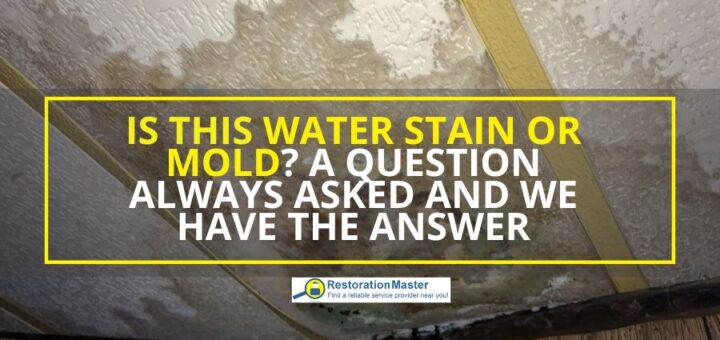
If you’ve noticed stains or discoloration on your walls, ceilings, or other surfaces in your home, it’s important to determine whether you’re dealing with simple water stains or mold growth. While both can look...
Mold thrives in damp, humid environments — but with the right prevention strategies, you can keep it out of your home. By maintaining indoor humidity below 50%, improving ventilation, and addressing leaks quickly, you’ll reduce the risk of mold growth in high-humidity areas like bathrooms, basements, and kitchens. Learn how to spot early warning signs, protect your family’s health, and know when it’s time to call a professional for safe removal.
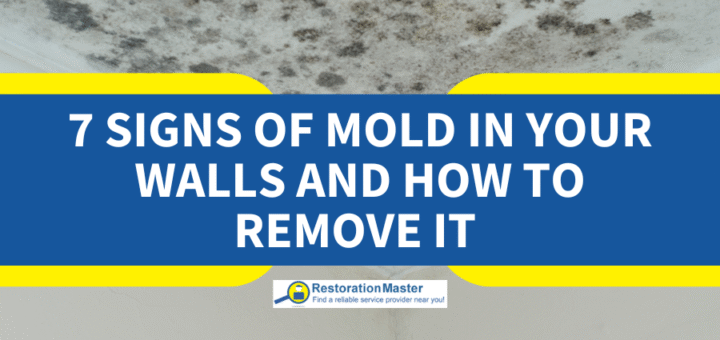
Mold in your home isn’t just unsightly; it can also pose serious health risks. That’s why it’s crucial to identify and address hidden mold as soon as possible by bringing in mold professionals to...
There’s a certain comfort in wrapping yourself in a soft, clean towel after a shower. But when that towel carries a sour, musty odor, it’s not just unpleasant — it’s a sign of mildew,...
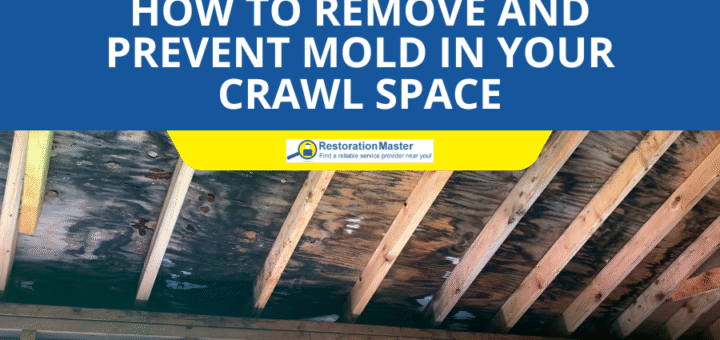
Mold in your crawl space isn’t just an eyesore; it’s a warning sign. It signals moisture problems that could compromise your home’s structure, air quality, and your family’s health. Unfortunately, crawl spaces are often...
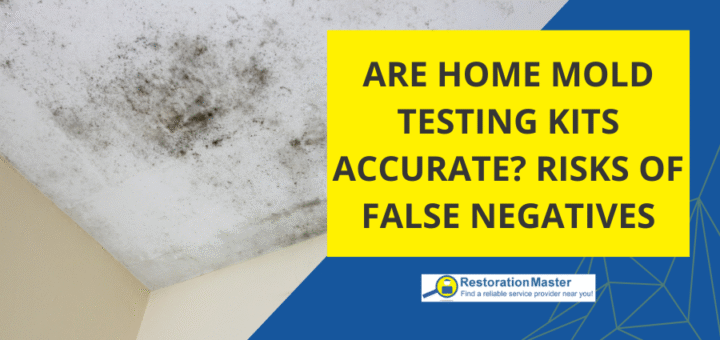
Understanding the accuracy of home mold testing kits and the risk of false negatives in detecting toxic mold is essential. In this article, we’ll explore whether DIY mold kits are reliable and why they...
Discovering mold in your home or business requires immediate attention—and often raises the question: how much does mold removal cost?The cost of mold remediation depends on several factors, including the size of the affected...