
Animal Nuisance Cleanup Biohazards: Why DIY Cleanup Is Dangerous
Animal nuisance cleanup involves the removal of biohazardous materials left behind by wildlife such as raccoons, rodents, bats, birds, and squirrels. These contaminants often include urine, feces, nesting debris, and decomposed organic matter that can carry harmful bacteria, viruses, and parasites.
Even after animals are gone, these materials can remain embedded in insulation, drywall, and HVAC systems, creating ongoing health risks and poor indoor air quality. Because contamination is often hidden and can become airborne when disturbed, DIY cleanup attempts can expose individuals to serious illness and spread contamination throughout the property.
For this reason, professional wildlife biohazard cleanup is the safest and most effective way to remove contamination and restore a safe living environment fully.
Quick Takeaways: Wildlife Biohazard Cleanup Risks
- Wildlife contamination often spreads beyond visible waste, affecting insulation, walls, and HVAC systems.
- Disturbing dried droppings or nesting materials can release airborne particles that increase exposure risk.
- Many biohazards remain active in porous materials long after animals leave the structure.
- DIY cleanup can unintentionally spread contamination to unaffected areas of the home.
- Professional remediation is required to fully remove contamination, disinfect affected areas, and restore safe indoor conditions.
Why Animal Waste Is a Serious Biohazard
Animal waste and nesting materials are more than unpleasant. Certain pathogens found in animal waste can survive in contaminated environments for weeks or even months if not properly disinfected and removed.
Common biohazards include:
- Urine and feces that carry bacteria, ammonia, and parasites
- Droppings and nesting debris from rodents, bats, and birds
- Dander, saliva, and fur that degrade indoor air quality
- Blood or decomposed material from injured or dead animals
Diseases commonly associated with wildlife contamination:
- Histoplasmosis (bird and bat droppings)
- Hantavirus (rodents)
- Leptospirosis (rodent urine exposure)
- Salmonella (fecal contamination)
- Toxoplasmosis (in certain animal waste environments)
These pathogens can become airborne when disturbed, increasing the risk of exposure during improper cleanup.
Hidden Contamination Zones in Your Home
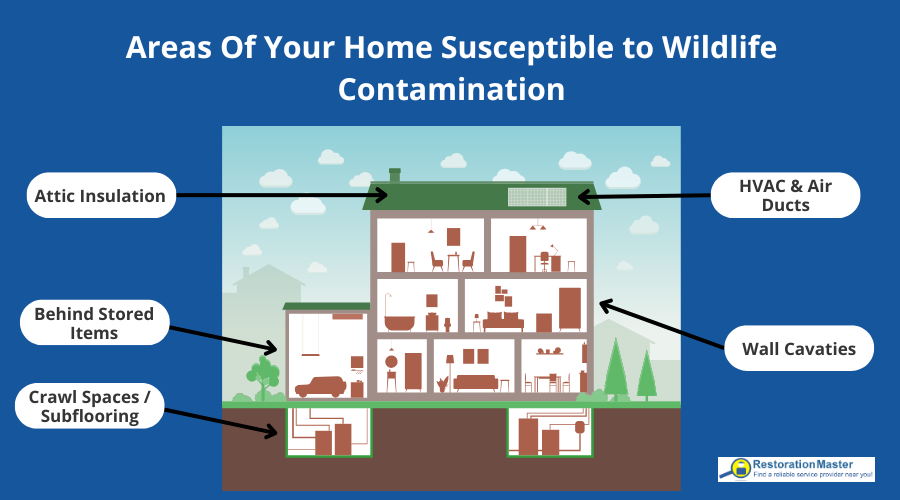
Wildlife contamination is rarely limited to visible surfaces. In many cases, the most dangerous buildup is hidden within structural materials.
Common hidden areas include:
- Attic insulation
- HVAC ducts and air vents
- Wall cavities
- Crawl spaces and subflooring
- Behind stored items and drywall
Because these materials are porous, they absorb contaminants deeply, making surface cleaning ineffective without full remediation.
Signs You Have a Wildlife Contamination Problem
Early detection is critical to preventing long-term damage and health risks.
Common warning signs:
- Droppings, stains, or nesting debris in hidden areas
- Persistent ammonia-like or musty odors
- Scratching or movement sounds in walls or ceilings
- Visible entry points or structural damage
- Declining indoor air quality or allergy-like symptoms
If these signs are present, contamination may already be widespread.
DIY vs. Professional Animal Cleanup
Attempting DIY cleanup may seem cost-effective, but it often leads to incomplete decontamination and increased health risks.
DIY Risks
- Direct exposure to bacteria, viruses, and parasites
- Airborne spread of contaminants during disturbance
- Missed hidden contamination in insulation and ducts
- Lack of proper PPE and disinfectants
- Cross-contamination to other areas of the home
Professional Cleanup Advantages
Professional wildlife biohazard cleanup follows industry standards such as the IICRC S540 Trauma and Crime Scene Cleanup guidelines, which outline proper containment, removal, and disinfection procedures for biological contaminants.
| Factor | DIY Cleanup | Professional Cleanup |
|---|---|---|
| Biohazard exposure risk | High risk due to lack of PPE | Controlled with full protective equipment |
| Hidden contamination | Often missed in insulation and walls | Fully inspected and remediated |
| Odor removal | Temporary surface cleaning only | Source-level deodorization |
| Disease risk | High due to exposure | Minimized through protocol |
| Structural cleanup | Incomplete or surface-level | Full remediation of affected areas |
| Long-term safety | Uncertain and inconsistent | Verified and professionally restored |
Why DIY Cleanup is Especially Dangerous
When animal waste is disturbed without proper containment, microscopic particles can become airborne and circulate through the home.
Contamination often penetrates:
- Insulation layers
- Wood framing
- Drywall and flooring
- HVAC systems
Without adherence to IICRC-standard cleanup protocols, improper handling of contaminated materials can increase the spread of pathogens and leave behind hidden biohazards in porous building materials.
How Wildlife Contaminates More Than the Surface
Wildlife intrusion affects more than just visible areas. Over time, contamination spreads throughout the structure and air system.
Key contamination pathways:
- Absorption into porous building materials
- Circulation through HVAC systems
- Airborne dander and allergens
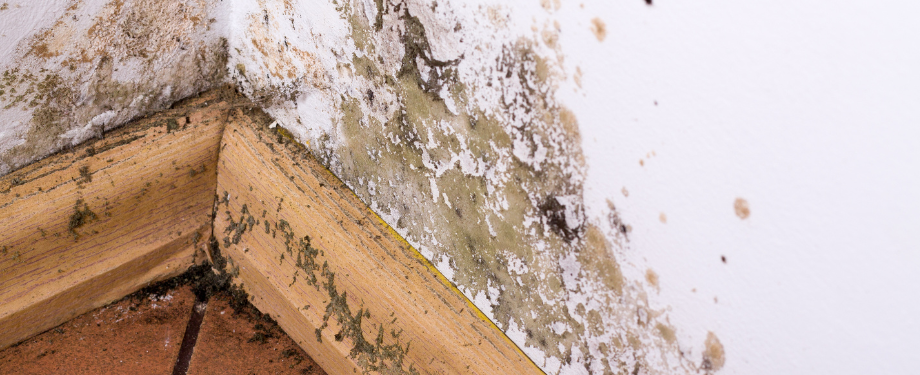
- Mold growth from trapped moisture
- Parasites and bacteria are introduced from wildlife activity
Wildlife waste cleanup can expose individuals to bloodborne pathogens and other infectious materials, which is why OSHA outlines strict safety standards for handling potentially contaminated environments. Because much of this contamination is hidden, professional remediation is often required for complete removal.
Seasonal Wildlife Risks and High-Risk Animals
Wildlife activity fluctuates throughout the year, increasing the risk of infestation and contamination during certain seasons.
Spring and Summer
- Birds and squirrels nesting in attics and vents
- Increased breeding activity and debris buildup
Fall and Winter
- Raccoons, bats, and rodents are seeking warmth indoors
- Entry into attics, chimneys, and crawl spaces
Seasonal risks include:
- Rapid accumulation of nesting materials
- Increased contamination in enclosed spaces
- Higher likelihood of recurring infestations
How Professionals Handle Wildlife Biohazard Cleanup
Professional remediation involves a structured, controlled process designed to fully eliminate contamination at the source.
Standard procedures include:
- Full property inspection and contamination assessment
- Containment using PPE and barrier systems
- Removal of contaminated insulation, waste, and debris
- HEPA air filtration and negative air pressure systems
- Application of EPA-registered disinfectants
- Industrial deodorization for odor elimination
- Safe disposal of biohazard materials
- Identification and sealing of entry points
This ensures both surface and hidden contamination are fully addressed.
How to Prevent Future Wildlife Biohazards
Prevention is the most effective way to avoid future contamination and costly repairs.
Key prevention strategies:
- Seal cracks, vents, and roof openings
- Install chimney and vent covers
- Trim trees near rooflines
- Secure trash and remove food attractants
- Perform routine inspections of attics and crawl spaces
Ongoing prevention reduces the likelihood of reinfestation.
Long-Term Consequences of Improper Cleanup
Improper or incomplete cleanup can result in long-term health and structural issues.
Potential consequences:
- Chronic respiratory and allergy conditions
- Exposure to parasites such as roundworms
- Bacterial infections, including Salmonella and Leptospira
- Persistent odors embedded in building materials
- Structural deterioration from moisture and waste
- Insurance and liability complications
Over time, untreated contamination can worsen and become significantly more expensive to remediate.
Final Thoughts
Wildlife contamination is a serious biohazard that cannot be safely addressed with basic cleaning methods. Even when damage appears minor, contaminants often spread deep into structural materials and air systems, creating long-term risks if not properly removed.
Professional wildlife biohazard cleanup ensures complete remediation, safe disposal of hazardous materials, and prevention of future infestations. This approach protects both your property and your health while restoring a safe indoor environment.
Need Professional Wildlife Biohazard Cleanup?
If you are dealing with animal contamination in your home or business, immediate action is critical. Professional remediation ensures safe, thorough cleanup and long-term protection.
Contact RestorationMaster Finder at (401) 205-8130 for expert wildlife biohazard cleanup services.
Frequently Asked Questions (FAQs)
What is considered animal nuisance cleanup?
Animal nuisance cleanup refers to the removal of biohazardous materials left behind by wildlife such as raccoons, rodents, bats, squirrels, and birds. This includes droppings, urine, nesting materials, and decomposed animals. The process often requires professional decontamination because these materials can carry bacteria, viruses, and parasites that contaminate indoor environments.
Is animal waste considered a biohazard?
Yes. Animal waste is considered a biohazard because it may contain harmful pathogens such as bacteria, viruses, and parasites. When disturbed, these contaminants can become airborne or spread through HVAC systems, increasing the risk of illness and environmental contamination.
Can I clean up animal droppings myself?
DIY cleanup is not recommended. Disturbing contaminated materials without proper protective equipment can release airborne pathogens and spread contamination to other areas of the home. Professional wildlife cleanup services use containment procedures, HEPA filtration, and disinfectants designed to safely remove biohazards.
Where does wildlife contamination spread inside a home?
Wildlife contamination often spreads beyond visible areas into insulation, wall cavities, HVAC systems, crawl spaces, and flooring materials. Because many of these materials are porous, they can absorb urine, feces, and bacteria, allowing contamination to persist even after animals are removed.
What animals most commonly cause indoor contamination?
Common wildlife intruders include rodents (mice and rats), raccoons, bats, squirrels, and birds. These animals often enter attics, basements, and crawl spaces, where they nest and leave behind droppings, urine, and nesting debris that can contaminate the structure.

About Ryan Mason
An expert in the disaster restoration industry, Ryan began his career at the age of 15, responding to flood, hurricane, and other natural disaster events across the United States. He is the co-owner of a local restoration company since 2001 and has delivered restoration and specialty cleaning services to thousands of residential and commercial clients. His work has included supporting major cleanup efforts such as water damage remediation at the Boston Public Library following a water-main break and restoration-related response efforts at the Pentagon after the 9/11 attacks. Ryan is certified with the Professional Mold Inspection Institute to conduct air quality testing and holds multiple IICRC certifications, including ASD, WRT, FSRT, AMRT, and OCT, along with ANMAR and HAZWOPER certifications.