



How to Protect Your Home From Neighbors’ Fireworks

Quick answer:
To protect your home from neighbors’ fireworks, clear dry leaves and debris from gutters and roof valleys, cover exterior vents with fine metal mesh, move flammable material away from siding and decks, and keep a hose or fire extinguisher within reach before fireworks start. Afterward, walk the property, including the roof, gutters, and attic, to check for scorch marks, melted siding, or smoke odor, since fireworks damage often smolders quietly without visible flame. If you find damage, photograph it before cleaning up, then contact your homeowner’s insurance company. Coverage for a neighbor’s fireworks usually runs through their liability policy first. Call a restoration professional if there’s any charring, melting, lingering smoke smell, or water used to put something out, since smoke and moisture damage is often worse than what’s visible on the surface.
Introduction
We hear the same story every July. A homeowner calls a few days after the holiday because they’ve noticed a burnt patch on the roof, or a faint smoky smell coming from a closet they can’t explain. More often than not, it traces back to a stray firework from somewhere down the street. Nobody saw it land, nobody heard anything out of the ordinary, and it simply smoldered somewhere out of sight long enough to cause real damage before anyone thought to check.
If your neighborhood turns into a fireworks show every Fourth of July, New Year’s Eve, or any excuse in between, it’s worth a few minutes to read through this before the next one goes off. Most of the damage we end up repairing didn’t have to happen. A gutter full of dry leaves, a cushion left out on the deck overnight, a gap in a vent nobody ever thought to check. Small, easy things to fix, right up until they aren’t.
Why Fireworks Damage Is a Real Risk, Not an Overreaction
Fireworks cause well over $100 million in property damage across the U.S. every year, according to the National Fire Protection Association, and that figure doesn’t include the smaller incidents homeowners quietly patch up without ever filing a claim. A firework spark can reach close to 2,000 degrees Fahrenheit on contact, which is more than enough to char roofing felt or melt vinyl siding in the couple of seconds it takes to land and burn out.
What catches people off guard is that it almost never looks like a fire happened. There’s no flame anyone remembers seeing. Just a mark on the roof or siding that wasn’t there the day before.
How to Protect Your Home From Fireworks
Most of this is a single afternoon of prep, not a major project.
Clear the Gutters and Roof Valleys
This is where the majority of the damage we see actually starts. Dry leaves and pine needles sitting in a gutter give an ember somewhere to land and smolder quietly, sometimes long enough to work into the roofline underneath before anyone notices.
Check and Seal Exterior Vents
Any vent gap wider than about an eighth of an inch is essentially an open door for embers into your attic. A layer of fine metal mesh over the opening closes it off, and it’s a cheap fix you can handle in a weekend.
Clear Flammable Material Away From Walls and Decks
Mulch beds, stacked firewood, dry potted plants, anything stored under a porch or deck. Pull it a few feet clear of the house for the night if fireworks are happening nearby.
Choose Fire-Resistant Decking Materials Where You Can
Composite decking holds up far better against embers than untreated wood. If replacing the deck isn’t realistic before the holiday, at minimum clear off cushions, umbrellas, and anything else combustible before the show starts.
Keep Water or a Fire Extinguisher Within Reach
A hose that reaches the roof and yard, or an extinguisher staged somewhere obvious, is often the difference between a small ember and a real problem. Speed matters more than equipment here.
Close Windows and Vents Facing the Fireworks
This limits smoke coming inside and reduces the chance of a stray spark reaching curtains or furniture near an open window.
How to Check Your Home for Fireworks Damage Afterward
This is the step most homeowners skip, and it’s the one that matters most. Once things quiet down, walk the property with a flashlight and check the roof edges, gutters, deck boards, and siding directly. Vinyl siding can warp or melt from radiant heat alone, without ever catching fire, which makes it easy to miss from ground level in the dark. If you can safely access the attic, take a minute to check for any smoke smell that wasn’t there before.
Most fireworks-related damage we’re called out for sat unnoticed for days or weeks simply because nobody looked closely enough to catch it early
What to Do If You Find Fireworks Damage
Document Everything Before You Clean Up
Photograph and film the damage from multiple angles before touching anything. Once soot has been scrubbed off or a damaged board has been pulled, there’s no physical evidence left to support an insurance claim.
Note the Source If You Can Identify It
If you know which house or yard the fireworks came from, write down what you saw and when. This becomes relevant if a liability claim against a neighbor’s homeowner’s policy ends up part of the process.
Contact Your Insurance Company
Call your own insurer even if you’re confident the damage came from a neighbor’s fireworks. In practice, their liability coverage is usually where the claim starts, but you’ll often still need your own carrier involved to keep things moving, especially if the neighbor is unresponsive or uninsured. One important exception: damage from illegal fireworks, or fireworks used intentionally against your property, is generally not covered on either side.
It’s fine to put out an active smolder or stop damage from spreading further. Full cleanup and repair should wait until everything is documented.
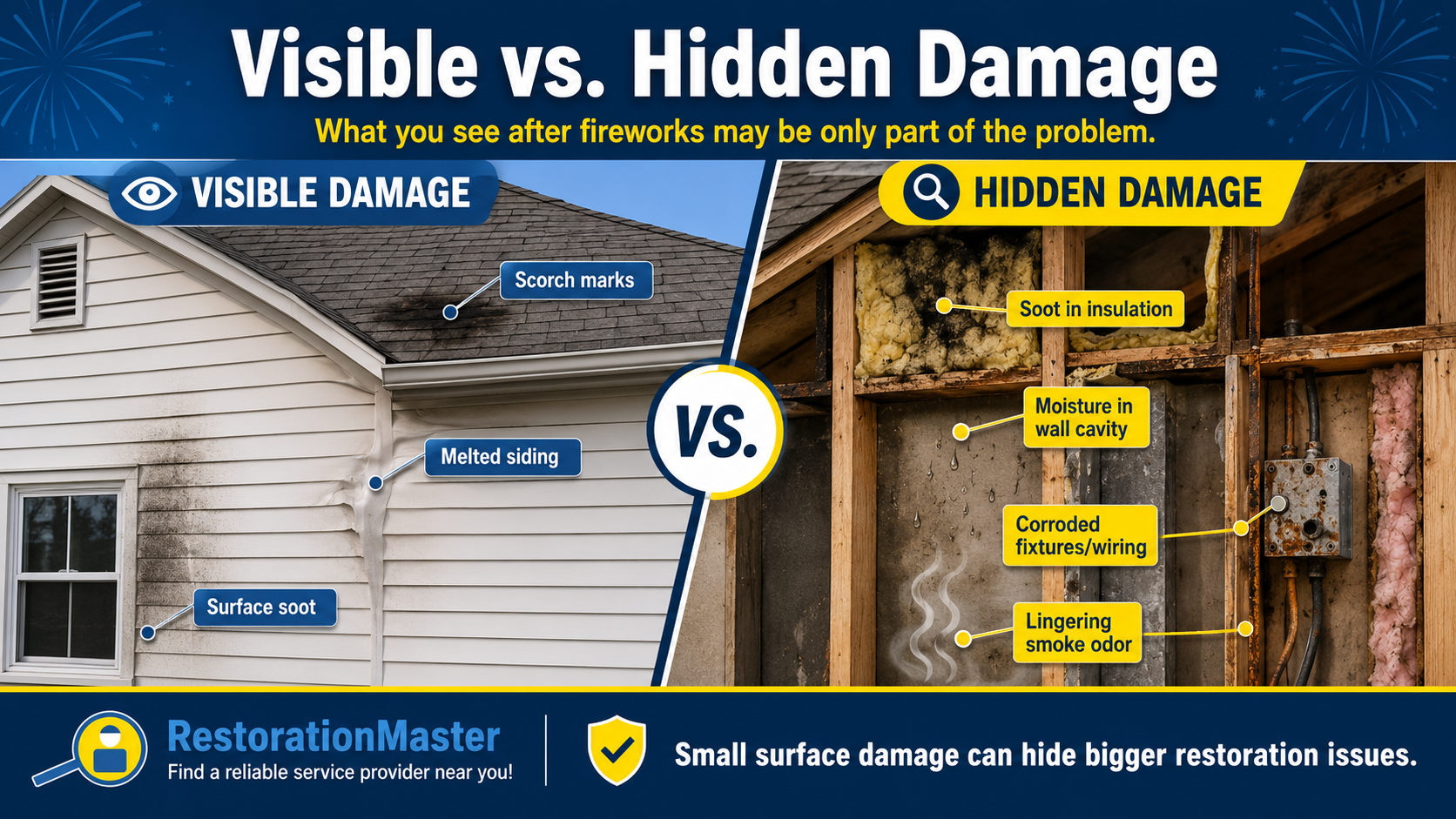
Why Hidden Smoke and Water Damage Cost More Than What You Can See
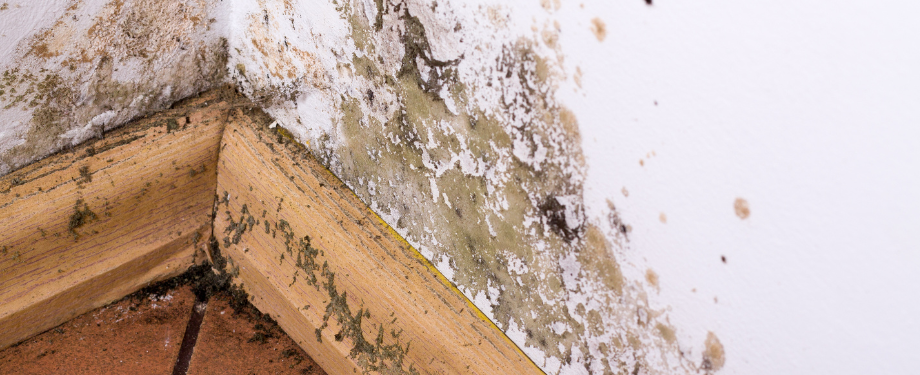
This is the part of the job that surprises homeowners most. A scorch mark on the siding usually looks minor. What’s happening underneath often isn’t. Smoke travels further than people expect, and soot is acidic enough to corrode metal fixtures and wiring over time if it isn’t cleaned properly. Smoke odor works its way into insulation and framing and doesn’t fade on its own, it actually gets worse with heat and humidity. If a hose was used to put something out, that water has likely gone somewhere you can’t see, setting up a mold problem that shows up weeks later, long after anyone’s still thinking about the fireworks.
That gap between what the damage looks like and what it actually is happens to be the main reason these claims often end up costing more than the initial estimate suggested.
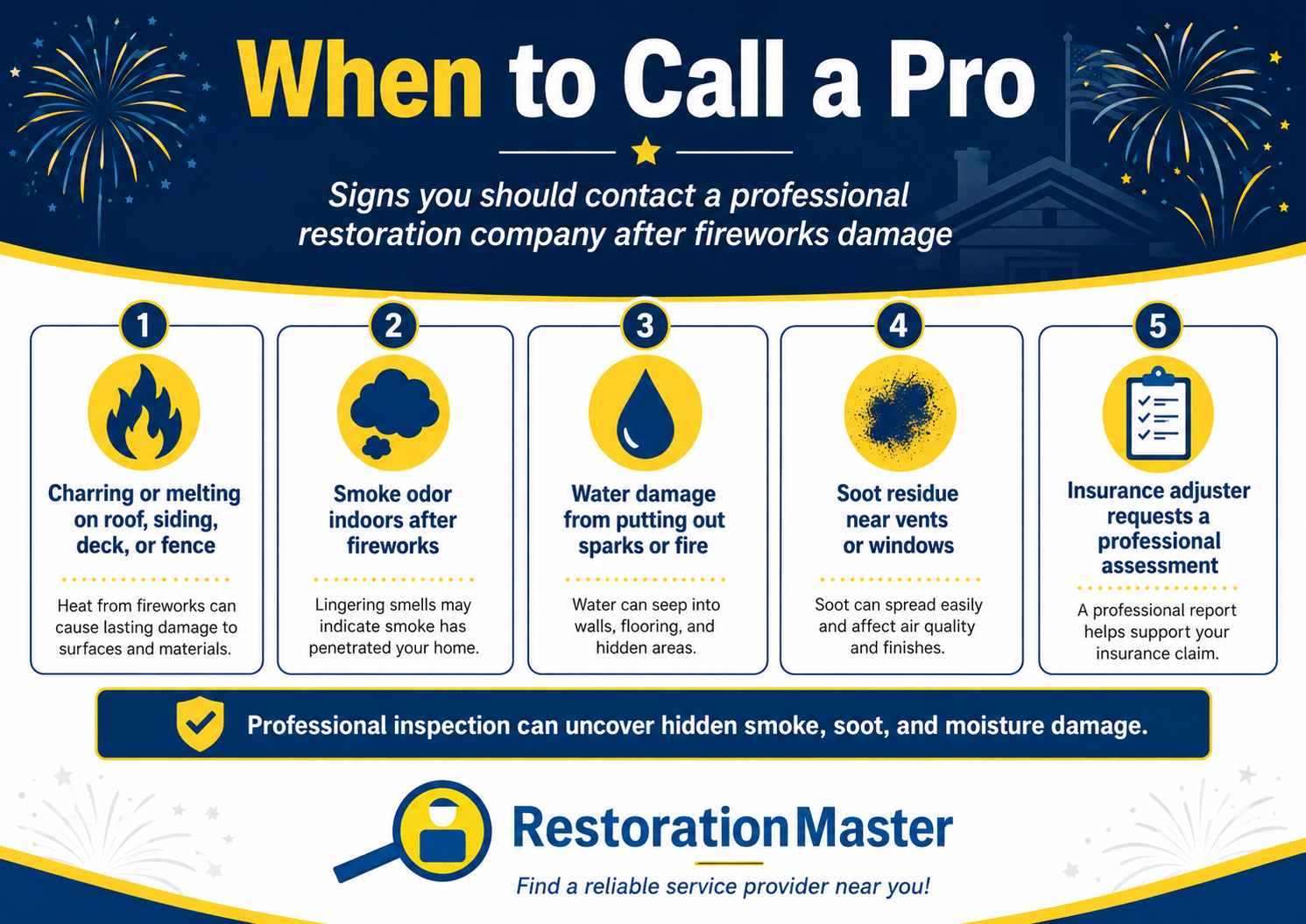
When to Call a Professional Restoration Company
It’s worth bringing one in if you notice:
- Charring or melting on the roof, siding, deck, or fence
- A smoke smell indoors that started around the time of the fireworks
- Water damage from extinguishing something
- Soot residue near vents or windows
- An insurance adjuster requesting a professional assessment before settling
A restoration company checks for smoke, soot, and moisture damage that a homeowner’s walkaround typically can’t catch, and documents it in a format insurance adjusters recognize. That documentation matters as much as the physical repair itself, since it often determines whether a claim is paid in full or reduced.
Fireworks Home Protection Checklist
- Clear gutters, roof valleys, and debris near the foundation
- Screen exterior vents with fine metal mesh
- Move flammable material away from siding, decks, and porches
- Keep a hose or fire extinguisher within reach
- Walk the property afterward, including the roof and gutters, even if nothing looks wrong
- Photograph any damage before cleaning or repairing it
- Contact your insurer, and a restoration professional if there’s any doubt
Frequently Asked Questions
Does homeowner’s insurance cover damage from a neighbor’s fireworks?
Usually, yes. The claim typically runs through the neighbor’s liability coverage first, though many homeowners still file with their own insurer to keep the process moving, especially if the neighbor is uncooperative or uninsured. Damage from illegal fireworks or intentional misuse is generally excluded.
How far should fireworks be kept from a house?
Most fire safety guidance recommends a minimum of 25 to 35 feet, more for aerial or mortar-style fireworks. Wind can carry embers well beyond that distance.
I found a scorch mark or melted siding. What should I do first?
Photograph it from several angles before touching it, check inside for any smoke smell, and contact your insurance company. If there’s soot, odor, or a chance water was used nearby, have a restoration professional inspect the area before assuming it’s purely cosmetic.
Can fireworks cause real damage even if nothing visibly caught fire?
Yes, and this surprises a lot of homeowners. Debris can smolder just long enough to leave smoke and soot in an attic or HVAC system without ever producing a visible flame, which makes it easy to miss during a quick inspection.
If you’ve already found fire, smoke, or water damage from fireworks nearby, don’t wait to see if it improves on its own. It typically doesn’t. A quick professional assessment now usually costs far less than dealing with the same damage in a few weeks.
Related Reading
Grilling Safety Tips for Your 4th of July BBQ
Can You Hold a Neighbor Liable for Fire Damage to Your Home?

About Chris Carey
With more than 35 years of experience in the restoration industry, Chris Carey is a seasoned restoration professional dedicated to helping homeowners and businesses recover after disasters. He specializes in water damage restoration, fire damage restoration, mold remediation, and disaster recovery. Known for his hands-on leadership and commitment to exceptional customer service, Chris has built a reputation for delivering reliable restoration solutions while helping clients navigate the recovery process with confidence. His extensive industry knowledge and focus on quality workmanship have made him a trusted expert in the restoration field.