The Health Effects of Mold Growth in Your Home
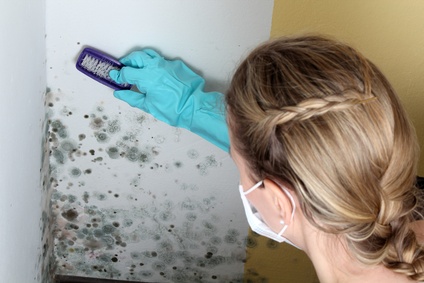
Of all the potential problems that can occur within a home, mold growth is one of the biggest concerns because it can cause property damage and lead to many different health problems for you and your family. Mold growth often occurs as a result of water damage or high humidity and its spores travel through the air and attach to new surfaces to foster growth. Breathing in the mold spores is what causes adverse health effects so it is important to have any mold growth removed before it can spread. The following is a discussion of the most common mild and severe health effects from mold exposure.
Allergic Reactions from Mold Exposure
The most common health effects from mold exposure are allergic reactions. For the most part, mild mold exposure is not a big cause for concern except in individuals pre-disposed to allergies, but prolonged exposure can cause allergic reactions in healthy people. These allergic reactions commonly include sneezing, coughing, runny noses, wheezing, skin irritation, and tearing and redness of the eyes. Mold exposure can also trigger asthma attacks in those that have asthma and cause their symptoms to worsen.
While it is typically more common for these symptoms to occur in people with a predisposition to them, a 2004 study by the Institute of Medicine showed a connection between mold exposure and upper respiratory tract symptoms in people that are otherwise healthy. Therefore it is important to remove any mold growth that you find because prolonged exposure can affect healthy people as well as those with allergies.
Severe Reactions from Mold Exposure
In some cases, allergic reactions to mold can become more severe but this is usually a rare occurrence. These symptoms may include fever, difficulty breathing, flu-like symptoms, fatigue, dizziness, headaches, diarrhea, and vomiting among others. Severe reactions most commonly occur in people with prolonged exposure or who routinely work near a source of mold.
Infections from Mold Exposure
If the allergic reactions or mold exposure are allowed to persist, then they could lead to full blown infections. There are two types of infections that can occur from mold; serious fungal infections and superficial fungal infections.
Serious Fungal Infections
Serious fungal infections are caused by pathogenic fungi that include Blastomyces, Coccidioides, Cryptococcus, and Histoplasma. These pathogens can infect perfectly healthy people and trigger a fatal disease but the infections that involve deep tissue invasions typically only affect people with compromised immune systems. If you or someone you know is in an immune-compromised state, you should take extra precaution to avoid mold exposure, and begin looking into mold removal and remediation services.
Superficial Fungal Infections
Superficial fungal infections are infections of the skin or mucosal surfaces and they commonly occur in healthy people as well as those with compromised immune systems. These types of infections can affect the feet (tinea pedis), nails (tinea onychornycosis), groin (tinea cruris), skin (tinea corporis), and mucosal surfaces. The most common organism that causes superficial fungal infections is Trichopython rubrum which is found on indoor mold.
Mold and Health | Mold Removal Services | RestorationMaster Video
The best way to avoid allergic reactions and serious or superficial fungal infections from mold growth is to prevent mold exposure which is why it is important to consult a mold remediation professional as soon as you discover mold in your home. Short term, mild mold exposure has a very low risk of causing adverse health effects but this risk increases the longer the exposure, even in healthy people. By ensuring that your home is mold free, you are not only saving your home from potential property damage, but you are also saving yourself and your family from mold related allergic reactions or infections.
What are Symptoms of Mold Allergies?
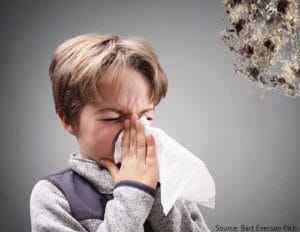 Especially during the warmer seasons, avoiding mold can be extremely tough. For those who battle allergic reactions from the spores, the symptoms can last for days, weeks, and even months, disallowing them to enjoy any of their daily activities.
Unfortunately, there are over 1,000 different species of mold that exist in the U.S. – a large portion of which are not even visible to the human eye. However, their presence can be noticed immediately, causing those with severe allergies to suffer until the mold is removed properly.
Locations of Mold
As you may already be aware, mold thrives off of organic materials and excess moisture. In homes and buildings, the structure provides the perfect host for these fungi to thrive while the addition of water will allow for its development and growth.
Unfortunately, water damage is very common – due to its extent of possible causes – and can occur anywhere; therefore, mold will almost always occur wherever there is water damage. However, the most common locations within the property are known for hosting this intruding fungus can include the following:
- Behind the walls
- Crawlspaces
- Basements
- Attic
- Showers
- Under the floors
- Garages
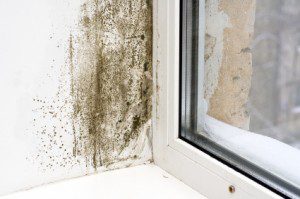
- Window sills
- And more
They can also exist outside, such as within rotting trees, fallen leaves, grass, compost piles, and more. However, they are most common from the months of July until October.
Symptoms of Mold Allergies

Very similar to others, the symptoms of mold allergies can include the following:
- Itching
- Sneezing
- Runny nose
- Congestion
- Dry and scaling skin
- Breathing problems
- Asthma
- Hay fever
While some types of mold can trigger these symptoms over time, others can cause them right away. However, if proper mold remediation does not happen right away, the symptoms can get worse over time. In addition, the mold can spread to affect new areas, such as in the basement or your bathroom, worsening the situation for you and your building structure.
Although there are some foods that contain a fungus, such as mushrooms or yeast, or others containing yeast, such as bread and vinegar, they do not usually trigger a reaction. It is more likely their direct effect on the blood vessels that may trigger a reaction. In addition, fermented food, such as wine, contains a chemical called histamine, the same substance that is released by your allergy cells to cause a reaction; therefore, it can cause similar symptoms when consumed.
How to Diagnose a Mold Allergy from Symptoms
If you suspect you have a mold allergy, it is important to visit a doctor to have it diagnosed properly. They will first take a medical history, followed by conducting several skin or allergic IgE blood tests. During these procedures, the doctor may also prick the skin with some fungi extracts to see if you have a reaction. Finally, the doctor will use the combination of your medical history, skin testing results, and physical exams to determine if you have a mold allergy.
How to Prevent an Allergic Reaction to Mold
While there is no cure for mold allergies, there are ways to avoid a future reaction by preventing mold growth on your property. Here are some measures you can take to reduce the risk of mold both in and outside:
Avoiding Outdoor Mold
- Save your outdoor vacations and activities for the seasons when mold count is generally low.
- Wear a facial mask when doing outdoor chores, such as digging up plants, raking leaves, and mowing the lawn.
Preventing Mold on Your Property
- Decrease the indoor moisture or humidity. If any moisture remains, any air cleaners will not work. You can use a hygrometer to measure the humidity level in your home, keeping it below 35%.
- If you must use a humidifier for other purposes, make sure to clean the fluid reservoir at least twice each week to prevent bacteria growth.
- Prevent mildew accumulation within the home or building. Due to the amount of moisture and bacteria in these areas, bacteria will thrive, including: basements, crawlspaces, laundry areas, and bathrooms.
- Use air conditioning unit with HEPA filter. The HEPA filter will be able to trap all floating mold spores while the traditional air cleaners will only reach a specific area. However, be careful to keep it away from heat, ozone, or electrostatic-related appliances.
Removing Mold Growth to Prevent Symptoms
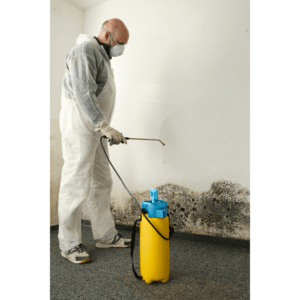 While there are a number of measures you can take to prevent mold growth within your home or building, sometimes it cannot be avoided. However, you should never try to remove it yourself, especially if you are allergic to it. This is because any home remedies will not only be ineffective but actually irritate the mold and cause it to spread further.
In order to have it completely removed, it is best to hire a mold remediation professional. They will be able to apply unique products that are designed to remove the mold at its source. Mold specialists are effective and efficient at treating mold. Not only will the technicians remove it completely, but they will also restore damage sustained within the building materials as well as identify areas at future growth. Contact your local provider today to get a free estimate for any mold growth on your property.

About Vince Sandri
Vince Sandri is a disaster restoration content specialist with more than 12 years of experience researching, writing, and educating property owners about water damage, fire and smoke damage, mold remediation, storm damage, and other disaster recovery topics. Since 2014, he has served as the lead contributor to RestorationMaster.us, where he has developed hundreds of in-depth service pages, educational guides, and industry-focused articles for restoration professionals across the United States.
Through extensive research and ongoing collaboration with restoration contractors, Vince has built a strong foundation in the science, processes, and best practices behind property damage mitigation and recovery. His work aligns with industry standards like the IICRC and EPA guidelines, and helps homeowners, business owners, and property managers understand how disasters impact structures, what immediate steps to take, how professional restoration works, and how to prevent long-term structural and health risks.
Vince specializes in translating complex restoration procedures — including water extraction, structural drying, smoke odor removal, mold containment, and storm damage repair — into clear, actionable information that empowers readers to make informed decisions during high-stress situations. His content aligns with industry standards and focuses on safety, accuracy, and practical response strategies.
He earned his Bachelor of Arts degree from Aurora University and his master’s degree from DePaul University. Since 2012, Vince has focused on SEO-driven website content, technical service pages, and educational resources within the disaster restoration industry.
Outside of his professional work, Vince is also a musician and performs in the Chicago, IL area.