





How to Remove Mold from a Refrigerator Seal
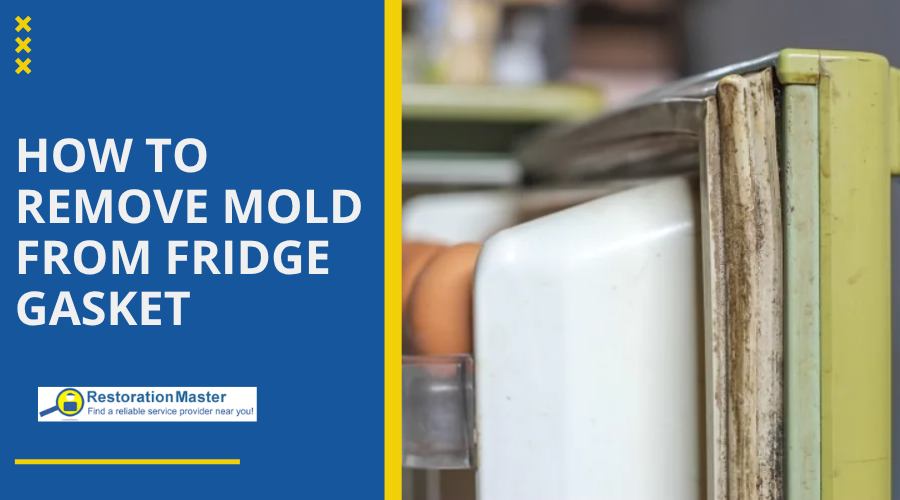
Mold growth on your refrigerator seal can also pose health risks and compromise your appliance’s efficiency. The refrigerator gasket, which is the rubber seal around the fridge door, is often overlooked during routine cleaning. However, it can become a prime spot for mold to thrive due to its damp, dark, and food-adjacent environment.
In this guide, we’ll walk you through how to safely remove mold from your refrigerator seal using simple DIY methods, explain why mold appears in the first place, and help you prevent it from coming back.
Quick Answer: How to Remove Mold from a Refrigerator Seal
To clean mold from your refrigerator gasket:
- Wipe away dirt and debris using a damp cloth.
- Spray hydrogen peroxide directly onto moldy areas.
- Let it sit for 5–10 minutes, then wipe it clean with a cloth.
- Use cotton swabs to reach tight crevices if needed.
- Repeat as needed, then dry thoroughly.
- Apply petroleum jelly to moisturize and protect the gasket.
What is Mold and Why Does it Grow on Your Fridge Gasket?
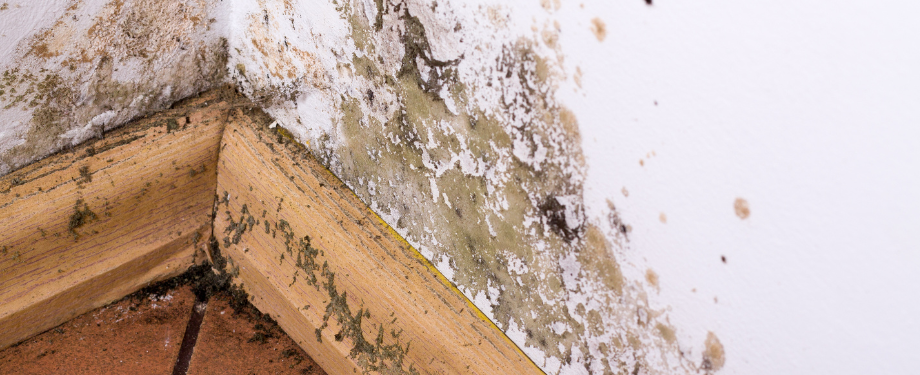
Mold is a type of fungus commonly found indoors and outdoors. It reproduces through airborne spores and thrives in environments where moisture, organic material, and low light are present—just like the rubber seal of your refrigerator.
The fridge gasket, made of rubber or latex, becomes a food source when moisture collects and organic material (like crumbs or spills) settles. Over time, this leads to visible black or dark green mold patches, which can impact both your health and your appliance’s performance.
According to the Centers for Disease Control and Prevention (CDC), common symptoms of mold exposure include:
- Allergies and respiratory issues
- Coughing, sneezing, and itchy skin
- Asthma flare-ups
DIY Methods to Remove Mold from Refrigerator Seals
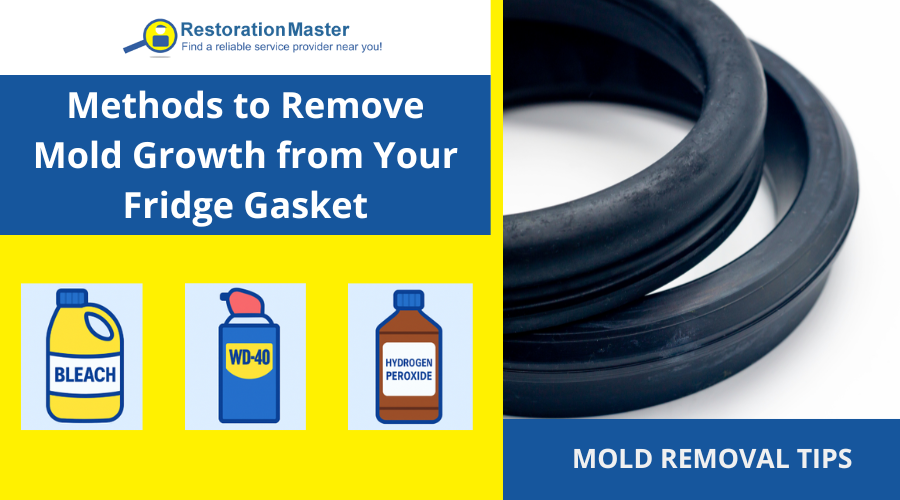
Cleaning mold from the refrigerator seal is essential to prevent health risks and ensure food safety. These three methods use household items and can eliminate mold from your fridge seal safely and effectively, while preventing it from returning.
Method 1: Hydrogen Peroxide – A Gentle Mold Fighter
Hydrogen peroxide is a natural antifungal that kills mold and disinfects.
What You’ll Need:
- 3% hydrogen peroxide
- Spray bottle
- Soft cloth
- Cotton swabs (for crevices)
Steps:
- Wipe away any loose dirt from the gasket.
- Fill the spray bottle with hydrogen peroxide and apply to the moldy areas.
- Let it sit for 5–10 minutes.
- Wipe away with a clean cloth. Use cotton swabs for hard-to-reach spots.
- Repeat as needed.
Method 2: Bleach Cleaning – Use with Caution
Using bleach to clean mold is especially effective when the surface is nonporous. However, as refrigerator seals are porous, this method may fail to work long-term. Additionally, bleach can dry out the gasket, potentially causing it to shrink and become hardened like wood. Be cautious not to overuse bleach, as it can harden rubber and damage your fridge seal over time.
What You’ll Need:
- 1 part bleach, 2 parts water
- Spray bottle
- Clean cloths
- Petroleum jelly or Vaseline
Steps:
- Clean the surface dirt from the seal.
- Mix your solution and spray it on the mold.
- Let it sit for a few minutes.
- Scrub with a soft cloth or toothbrush.
- Rinse thoroughly and dry.
- Moisturize the gasket with Vaseline or olive oil to prevent cracking.
Method 3: WD-40 – An Unconventional Option
WD-40 helps break down mold, though it should be followed by a mild cleaner to remove residue.
What You’ll Need:
- WD-40
- Soft cloth
- Mild dish soap
- Cotton swabs
Steps:
- Remove any dirt from the gasket.
- Spray WD-40 directly onto the mold.
- Let it sit for 5 minutes, then wipe with a cloth.
- Clean the area afterward with a mild cleaner.
How to Prevent Mold from Coming Back on Your Fridge Seal
Addressing underlying causes and implementing preventative measures is crucial for reducing the risk of mold growth and maintaining a healthy indoor environment. Below are helpful methods to prevent mold from developing or returning to your refrigerator gasket.
- Clean regularly: Wipe down the gasket with soap and water every few weeks.
- Use vinegar: White vinegar kills mold spores—rub it along the seal to deter future growth.
- Inspect often: Look for wear or cracks in the gasket and replace it if needed.
- Control humidity: Keep your fridge at the recommended temperature and avoid frequent door openings.
- Air it out occasionally: Let the fridge seal dry out during deep cleans.
Mold infests indoor areas that offer plenty of nutrients. As a result, it is not unusual for mold to grow in these ideal environments such as the fridge seal, behind the toilet, the basement, or in the crawl space. If mold becomes extremely prevalent indoors, seeking professional assistance from experts is often recommended. should be removed right away by mold remediation experts.
FAQs – Mold on Your Refrigerator Seal
What causes mold to grow on the fridge door seal?
Mold thrives in moist, dark environments. The refrigerator seal traps condensation, food residue, and organic debris—creating the perfect conditions for mold to grow. Frequent door openings can increase moisture buildup, accelerating the problem.
Can I use vinegar to clean mold off a refrigerator gasket?
Yes, white vinegar is a natural and effective mold killer. It works best for light mold prevention or mild cases. Spray undiluted vinegar on the seal, let it sit for 10 minutes, then scrub and wipe clean. For stubborn or recurring mold, stronger agents like hydrogen peroxide may be needed.
Should I replace my fridge gasket if it has mold?
Not always. If the mold is superficial and the seal is still flexible and undamaged, you can clean it thoroughly and continue using it. However, if the seal is cracked, hardened, or repeatedly harbors mold, replacement may be the safer long-term option.
How often should I clean the refrigerator seal to prevent mold?
Every 1 to 3 months is ideal. Wipe down the seal with mild soap or vinegar during deep cleans. Regular maintenance helps prevent moisture buildup and food residue that contribute to mold growth.
Will bleach damage my refrigerator gasket?
Bleach is effective at killing mold, but should be used with caution. Because gaskets are made of rubber (a porous material), bleach can dry them out, leading to cracking or shrinkage. Always dilute bleach and follow up with petroleum jelly or a safe rubber moisturizer.
Can mold spread from the fridge seal to other parts of the home?
Yes. Mold spores are airborne and can spread if left untreated. While the fridge seal may seem isolated, ongoing mold growth can lead to contamination of nearby walls, cabinets, or even HVAC systems in serious cases.
When to Call a Mold Remediation Expert
If mold keeps returning even after repeated cleanings, it’s a sign that the problem may be more widespread than it appears. That’s when it’s time to call in the professionals.
At RestorationMaster, our licensed mold remediation specialists use advanced tools like the InstaScope Testing System to detect mold in hidden areas—behind walls, under flooring, inside crawl spaces, or behind your refrigerator. This cutting-edge technology ensures that even the most deeply embedded mold colonies are accurately identified.
Once located, we apply proven mold removal techniques to eliminate mold thoroughly and safely. After remediation, we retest your home to confirm that no mold spores remain, reducing the risk of recurrence and protecting your family from future health hazards. Trust RestorationMaster to restore your home and your peace of mind.

About Vince Sandri
Vince Sandri is a disaster restoration content specialist with more than 12 years of experience researching, writing, and educating property owners about water damage, fire and smoke damage, mold remediation, storm damage, and other disaster recovery topics. Since 2014, he has served as the lead contributor to RestorationMaster.us, where he has developed hundreds of in-depth service pages, educational guides, and industry-focused articles for restoration professionals across the United States.
Through extensive research and ongoing collaboration with restoration contractors, Vince has built a strong foundation in the science, processes, and best practices behind property damage mitigation and recovery. His work aligns with industry standards like the IICRC and EPA guidelines, and helps homeowners, business owners, and property managers understand how disasters impact structures, what immediate steps to take, how professional restoration works, and how to prevent long-term structural and health risks.
Vince specializes in translating complex restoration procedures — including water extraction, structural drying, smoke odor removal, mold containment, and storm damage repair — into clear, actionable information that empowers readers to make informed decisions during high-stress situations. His content aligns with industry standards and focuses on safety, accuracy, and practical response strategies.
He earned his Bachelor of Arts degree from Aurora University and his master’s degree from DePaul University. Since 2012, Vince has focused on SEO-driven website content, technical service pages, and educational resources within the disaster restoration industry.
Outside of his professional work, Vince is also a musician and performs in the Chicago, IL area.