



10 Steps Used by Professionals to Restore Flooded Basements
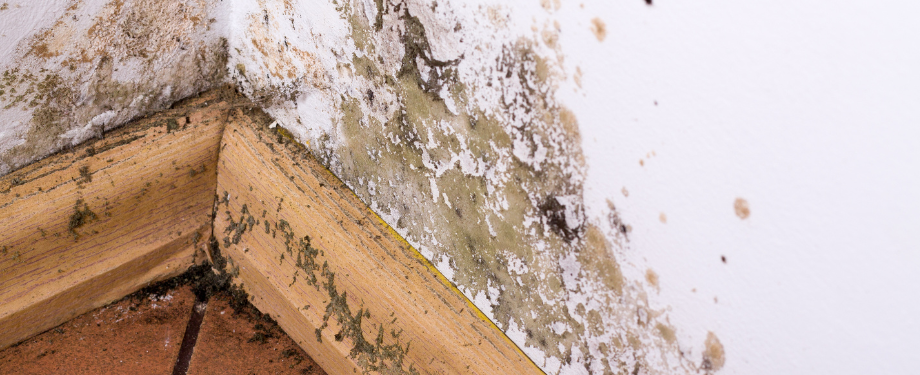
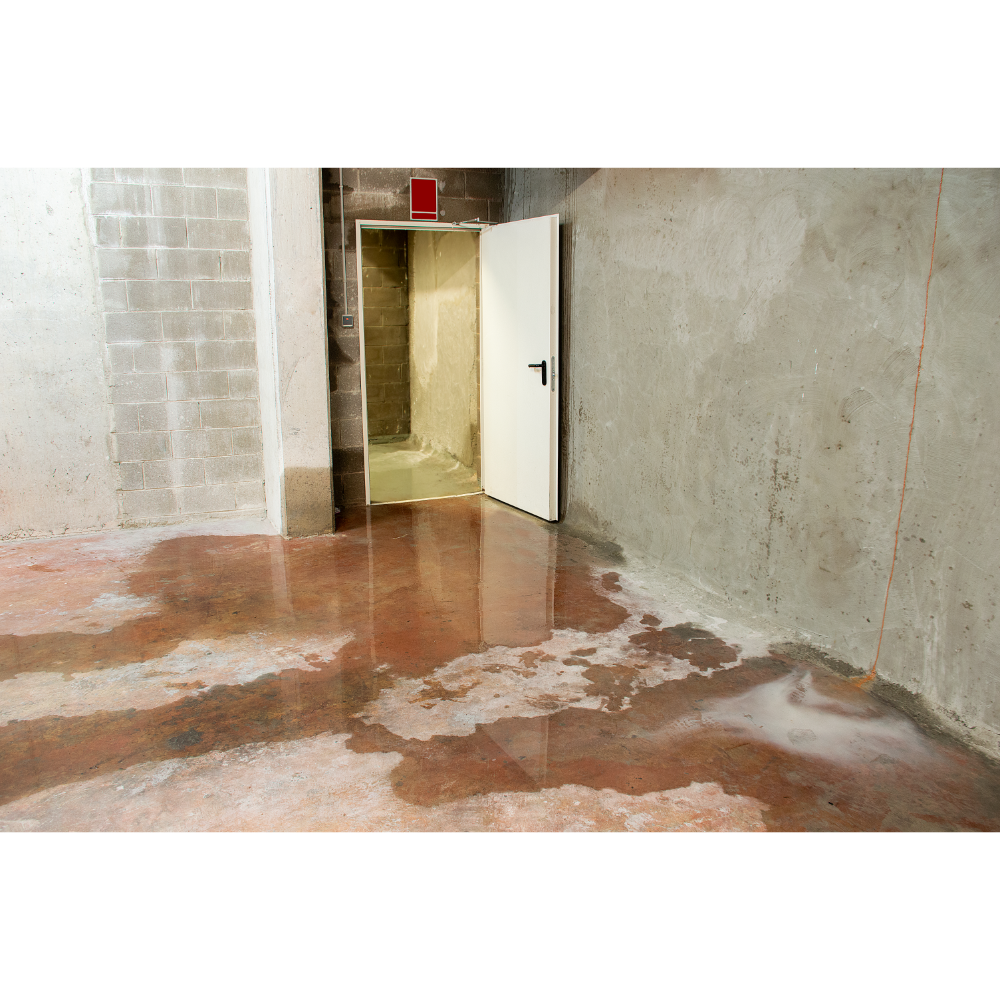
Most homeowners have experienced flooding in their basements. This is a major inconvenience and can cause costly damage. Not only can it ruin your belongings in the basement, but it can cause additional issues such as mold, that must be cleaned up by a professional mold remediation company.
If you experience flooding in your basement, you should react right away to get the water removed and the affected areas dried out. This will help prevent additional damage to your property. Also, it is extremely important to make sure to take preventative measures to avoid flooding in your basement. This will ensure that you do not have to deal with cleaning up dirty water and experience property damage.
Flooding in your basement can be very dangerous. Aside from property damage and costly clean-up, it can cause damage to the building structure which can be extremely dangerous for you and your loved ones.

What are common causes of basement flooding?
No basement is safe from flooding. Being an underground hole, the basement is exposed to the elements for longer durations than any other part of the home. Rainwater that saturates the ground around the foundation is notorious for pooling under ideal—and destructive—conditions.
The perfect environments that lead to pooling water around the perimeter of the home include yards that fail to be effectively graded (or sloped) and a lack of functional gutters. Plus, leaky foundations inevitably contribute to flooding in the lowest level of homes.
After a heavy rainfall, the moisture in the wet ground seeps through foundation cracks. These minute gaps, when unsealed, are entryways for rainwater and snowmelt. Eventually, the basement transforms into a damp, moisture-filled space. Water damage occurs and mold colonies flourish.
Unmaintained gutters also lead to rainwater pooling around the home’s foundation and finding a path into the basement. The natural debris that blocks a gutter causes rainwater to spill over the gutters’ rims and down the home’s siding. The consequence is standing water around the perimeter of the home.
Additionally, a lawn that is improperly sloped leads rainwater toward, instead of away from, the property’s foundation. Naturally, when heavy rains hit the landscape, the water is directed toward the home, leading to pooling water that eventually floods the basement.
Manmade disasters, too, are known to wreak havoc in the basement. Burst plumbing pipes, leaky appliances, like water heaters or water tanks, and loose or broken washing machine water supply hoses are all unanticipated causes of flooding in the basement.
Here are some ways a flooded basement can be dangerous
-
Water has risen above the live power outlets:
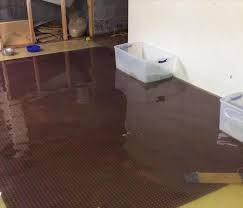
Serious basement flooding requires immediate attention.
If the flood water rises above the live outlets, then there is a live electrical current that is running through the water. It is important not to touch the water as you can be electrocuted. If you can get to it safely, you should shut off the power to your home. However, if you cannot get to the electrical panel safely, you should call an electrician and a water removal company so they can help you.
-
Electrical appliances that are plugged in are covered in water:
If you have items that are plugged into an outlet and water is covering them due to flooding in your basement, this means that there is live electrical current running through them and through the water. You should not get into that water, but instead, you should call an electrician and a water damage company for help.
-
Water that has risen above your fuse box:
If the flood water has reached the fuse box, you should make sure that everyone has been evacuated from your home and emergency services are called.
-
Sewage present in flood water:
If you are experiencing flooding due to a sewage backup, this is a biohazard situation, and the area needs to be cleaned out right away. You should never try to clean sewage water yourself, but instead, call a sewage cleanup expert that can help you clean it up properly.
-
Flood water sitting for a long period of time:
If you do not notice that your basement is flooded, and the water is left sitting for a long period of time, the building materials and structural integrity of your home might be in danger. This includes drywall, wood framing, and even concrete will eventually break down if there is extended exposure to the water. This type of water damage should be cleaned by professionals.
-
Water is cleaned up but there is moisture left:
Once you’ve cleaned all the flood water from your basement, there may still be floodwater left. You will need to bring in humidifiers and strong fans to dry out the entire area and all the affected materials. If the affected area is not dried properly, it can cause mold which spreads easily and quickly.
Although it is great to know what steps to take if you experience a flood in your basement, you should also take precautions to prevent flooding.
Steps to Take Immediately After Basement Flooding
We’ll explore whether insurance covers basement flooding, discuss whether a basement can dry out on its own, and outline actionable steps you can take immediately after a basement flood to protect your property. By following the steps outlined in this article, homeowners can effectively and efficiently restore their basements from flood damage.
Does Insurance Cover Flooded Basements?
Most homeowners’ insurance policies cover basement flooding caused by plumbing issues such as burst pipes or overflowing plumbing fixtures, as well as leaks from appliances such as washing machines and water heaters. If this happens, contact your insurance agent immediately, explain the situation, and arrange for an adjuster to inspect the damage as soon as possible.
However, standard policies typically do not cover basement flooding caused by natural flooding or sewage backups. To avoid surprises, review your policy carefully to understand what is and isn’t covered.
Will a Flooded Basement Dry on Its Own?
A flooded basement won’t dry out on its own. Ignoring it will only cause the damage to get worse, as the water will continue to spread and get absorbed into porous building materials and furnishings. If you do not address basement flooding, you could end up with severe structural damage and mold growth.
To prevent further damage to your property, you’ll need to take immediate action. Proper steps must be taken to drain the standing water, thoroughly clean the space, and ensure the basement is completely dry.
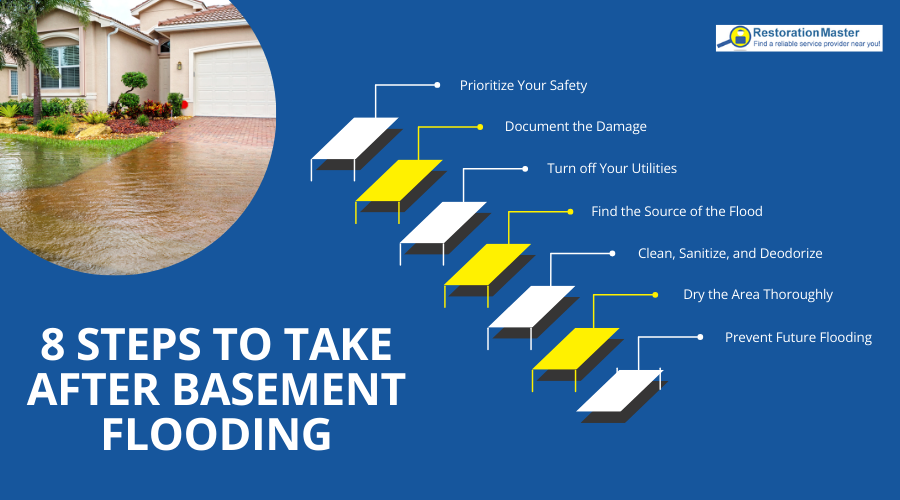
Dealing with a flood in your home or business can be both stressful and costly. That’s why taking immediate action after a basement flood is crucial to minimizing damage and preventing further issues. To help you respond effectively, here are some essential steps to take right away.
1. Prioritize Your Safety
Dealing with a flood at your home or business can be overwhelming. Your first instinct might be to dive in and start cleaning up right away. However, it’s crucial to take the right steps to avoid causing further damage to your property or putting your health at risk. To help you stay safe and protect your property, follow these essential tips after a flood:
- You should always make sure that you are adhering to local warnings. All submerged power lines should be avoided, and you should confirm the structural stability of the affected area before entering after a flood.
- You should also always wear protective gear, document the damage for insurance purposes, and be aware of all potential health hazards from being in contact with contaminated flood water.
- Always plan and carry out repairs with future risk mitigation in mind.
2. Document the Damage
Make sure to take pictures and videos of all the damage within your property. This will help your insurance company assess the amount of damage so you can be properly compensated.
3. Turn Off Your Utilities
Before you enter a flooded basement, make sure that all electricity is shut off at the breaker box. If the box is in the basement, then you will need to call a licensed electrician to shut it off safely.
If you smell gas, leave the house right away and call your utility company to send a technician to address this issue. Do not go back indoors until you are given the all-clear by the utility company.
4. Find the Source of the Flooding
The first step is to find the source of the basement flooding and stop more water from coming in. Once the restoration professionals find the source, they will fix it and form a restoration plan based on the level of flooding and damage. These professionals will take the right steps and precautions if the flooding contains sewage or other biohazard materials.
5. Inform your Insurance Provider
The insurance coverage in regards to flood damage varies and depends on certain factors such as the cause of the flooding. Restoration professionals report the damage and their findings to your insurance company to help figure out coverage options.
6. Water Extraction
Professionals who provide flood damage restoration have truck mounted water extraction equipment and dehumidifiers to remove standing water and moisture from the affected materials including flooring, furnishings, and other objects. These professionals also repair any damage caused by the excess water.
7. Drying Process
After the flood water is removed, restoration professionals dry the wet materials with advanced drying equipment. They place air movers and dehumidifiers around the affected area as well as high tech air scrubbers to remove odors and contaminants from the air. The drying process takes between 3-5 days.
Carpet Removal
The carpet is especially vulnerable to flood damage because it absorbs water so easily. The excess water can cause serious damage to the fibers and backing while also increasing the risk of mold growth. Restoration professionals pull up the carpeting and padding to evaluate the damage and restore what can be saved. You should never try removing permanent carpeting or flooring on your own, let the professionals do it.
Sheetrock, Insulation, and Baseboards
Sheetrock and baseboards can absorb small amounts of water which can cause them to swell or buckle. This can affect the wall framing as well as the insulation. Restoration professionals will remove these materials and save as much as they can.
8. Cleaning and Disinfection
Flood water likely contains microorganisms that can be hazardous to your health and its presence can lead to mold growth. Once the water is removed, restoration professionals use advanced cleaning products to clean and sanitize the area and materials affected by the flood.
9. Look for Mold
Many instances of basement flooding lead to mold growth. Reputable restoration companies check for signs of mold and offer mold remediation services if there is a problem.
10. Reconstruction
After the basement is dried and cleaned, the restoration professionals will inspect the structural damage and work with your insurance company to form a reconstruction plan. A quality restoration service provider is committed to restoring your basement to its original, pre-flood condition.
Prevent Future Flood Damage
While a flooded basement can be repaired and restored, it’s always better to prevent flooding from happening in the first place. To help safeguard your home, here are some effective methods for preventing basement floods:
- Make sure to inspect the basement sump pump and floor drain regularly, especially after a heavy storm.
- Always be ready for any weather emergencies and power outages by having a backup battery-powered pump.
- Regularly check hoses and connections for any signs of wear, and make sure they are replaced every five years.
- All basement windows should be protected by acrylic covers, and window-well drains should be clear of any debris.
- Make sure to routinely check for exterior foundation issues and interior cracks in the basement walls and address these issues.
- All gutters and downspouts should be kept free of clogs and direct rain and snow melt away from the foundation.
- All lawns should be graded, or you can install French drains so that water does not gather around the foundation walls.
Additional basement flooding safety tips
-
Move up outlets in your basement
Basement flooding is common in the US so as a precaution you should put any outlets in the basement as high as possible to avoid them getting wet during a possible flood.
-
Use GFCI versions of outlets
It is best to use Ground Fault Circuit Interrupter outlets so that the risk of electric shock can be reduced. This type of outlet is best for wet environments and any outlets that are located near a sink or where flooding is a risk.
-
Make sure to upgrade your electric panel
If your electric panel is in an area that is difficult to get to in case of an emergency, you should consider moving it to an area you can access easily in case your basement floods and you need to shut the power off in your basement. You should always consult a professional electrician before doing work to ensure your safety.
-
Old windows and doors should be replaced
If your windows and doors are cracked and degraded, they should be replaced so that they can have a tighter seal and help with defense against flooding.
For any water damage at your home, you need to make sure your property gets the required professional cleaning and restoration to prevent further damage.
Call Professionals for Flood Damage Restoration
A flooded basement can be a nightmare for any homeowner or business, but with the right steps, you can minimize the damage and begin the restoration process quickly and safely. Remember, acting fast is key—not only to prevent further destruction but also to reduce the risk of mold and structural issues down the line. While it’s important to understand what your insurance covers and how to handle cleanup, it’s equally crucial to take preventive measures to avoid future flooding. By staying informed and prepared, you can protect your property, save on costly repairs, and restore peace of mind.
If you experience significant basement flooding in your home, it is important to call the water damage restoration professionals at RestorationMaster right away to clean up the damage. Our technicians use advanced water extraction and dehumidification equipment to remove the flood water and thoroughly dry the affected areas and materials. We will then restore the damage caused by the flooding as well as clean and disinfect the area to restore safe conditions.

About Vince Sandri
Vince Sandri is a disaster restoration content specialist with more than 12 years of experience researching, writing, and educating property owners about water damage, fire and smoke damage, mold remediation, storm damage, and other disaster recovery topics. Since 2014, he has served as the lead contributor to RestorationMasterFinder.com, where he has developed hundreds of in-depth service pages, educational guides, and industry-focused articles for restoration professionals across the United States.
Through extensive research and ongoing collaboration with restoration contractors, Vince has built a strong foundation in the science, processes, and best practices behind property damage mitigation and recovery. His work helps homeowners, business owners, and property managers understand how disasters impact structures, what immediate steps to take, how professional restoration works, and how to prevent long-term structural and health risks.
Vince specializes in translating complex restoration procedures — including water extraction, structural drying, smoke odor removal, mold containment, and storm damage repair — into clear, actionable information that empowers readers to make informed decisions during high-stress situations. His content aligns with industry standards and focuses on safety, accuracy, and practical response strategies.
He earned his Bachelor of Arts degree from Aurora University and his master’s degree from DePaul University. Since 2012, Vince has focused on SEO-driven website content, technical service pages, and educational resources within the disaster restoration industry.
Outside of his professional work, Vince is also a musician and performs in the Chicago, IL area.