



Flood Season Preparation Tips
Key Takeaways
- Flooding can result from heavy rain, hurricanes, snowmelt, flash floods, and other severe weather events.
- Having a flood evacuation plan and emergency kit can help keep your family safe during an emergency.
- Understanding the difference between a flood watch and flood warning allows you to respond quickly when conditions change.
- Taking preventive measures before flood season can help reduce property damage and recovery costs.
- Never walk, swim, or drive through floodwaters, as they may contain contaminants and hidden hazards.
- Document all flood damage with photos and videos for insurance purposes.
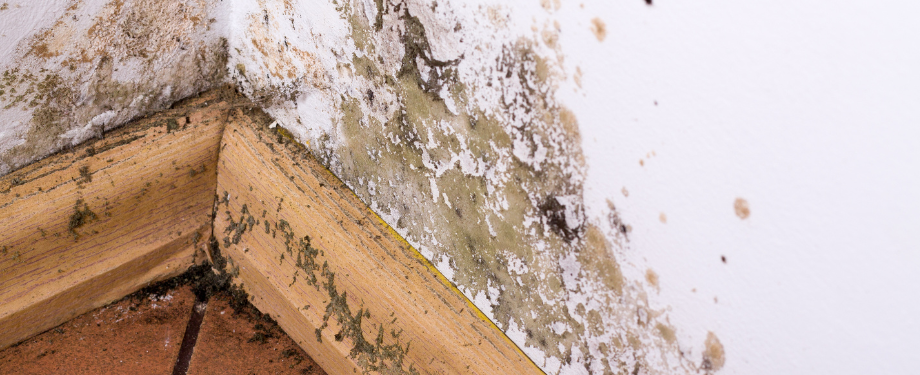
- The sooner flood cleanup and restoration begin, the better the chances of minimizing structural damage and mold growth.
- Professional flood restoration services can help extract water, dry affected areas, and restore your property safely.
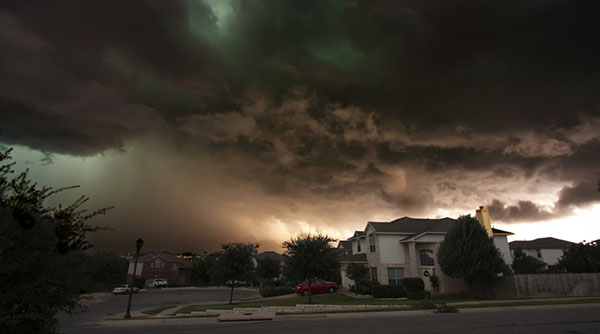
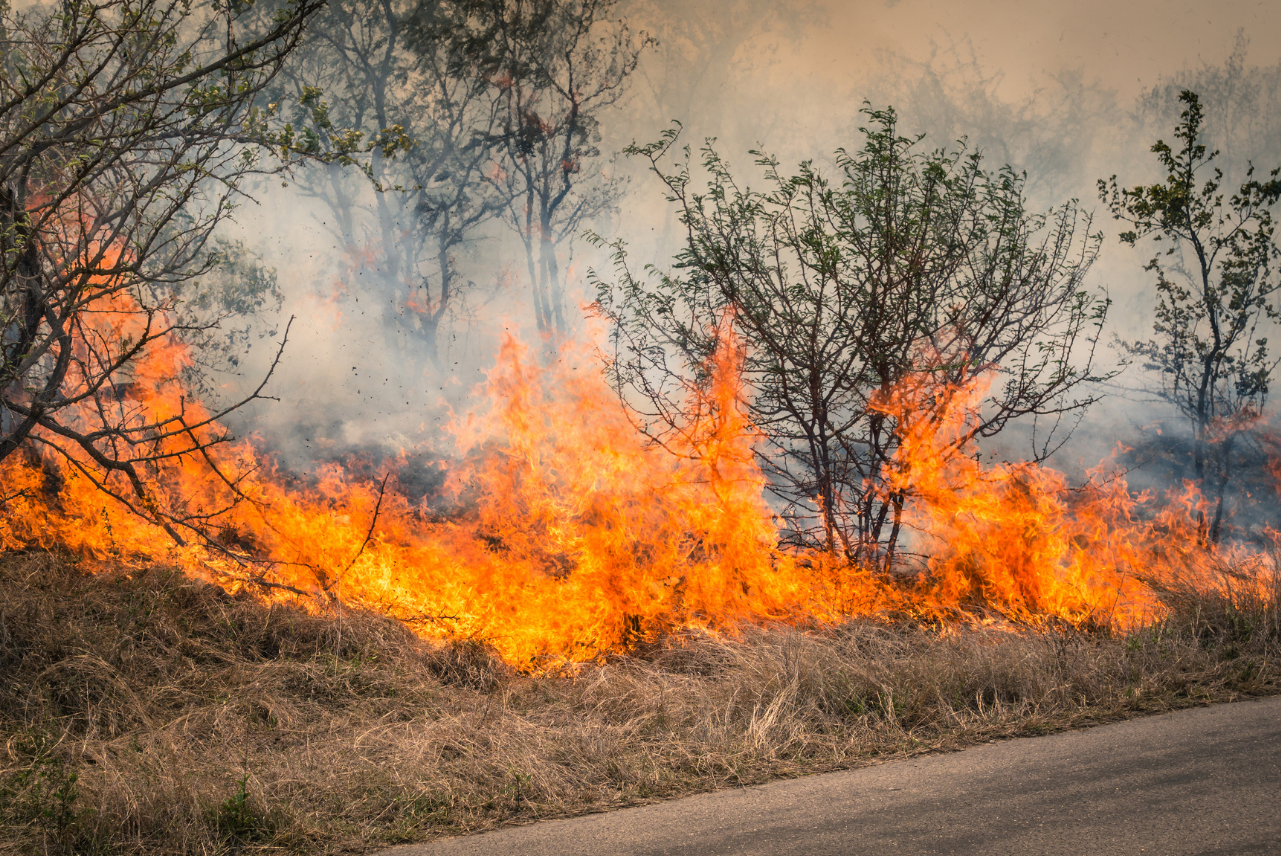
While they are common, floods can be one of the most damaging types of natural disasters. Due to the significant number of sources, they can happen anywhere throughout the U.S particularly after the following:
- Thawing snow
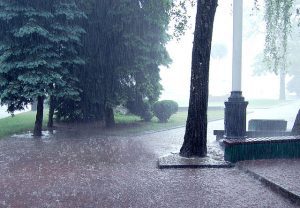
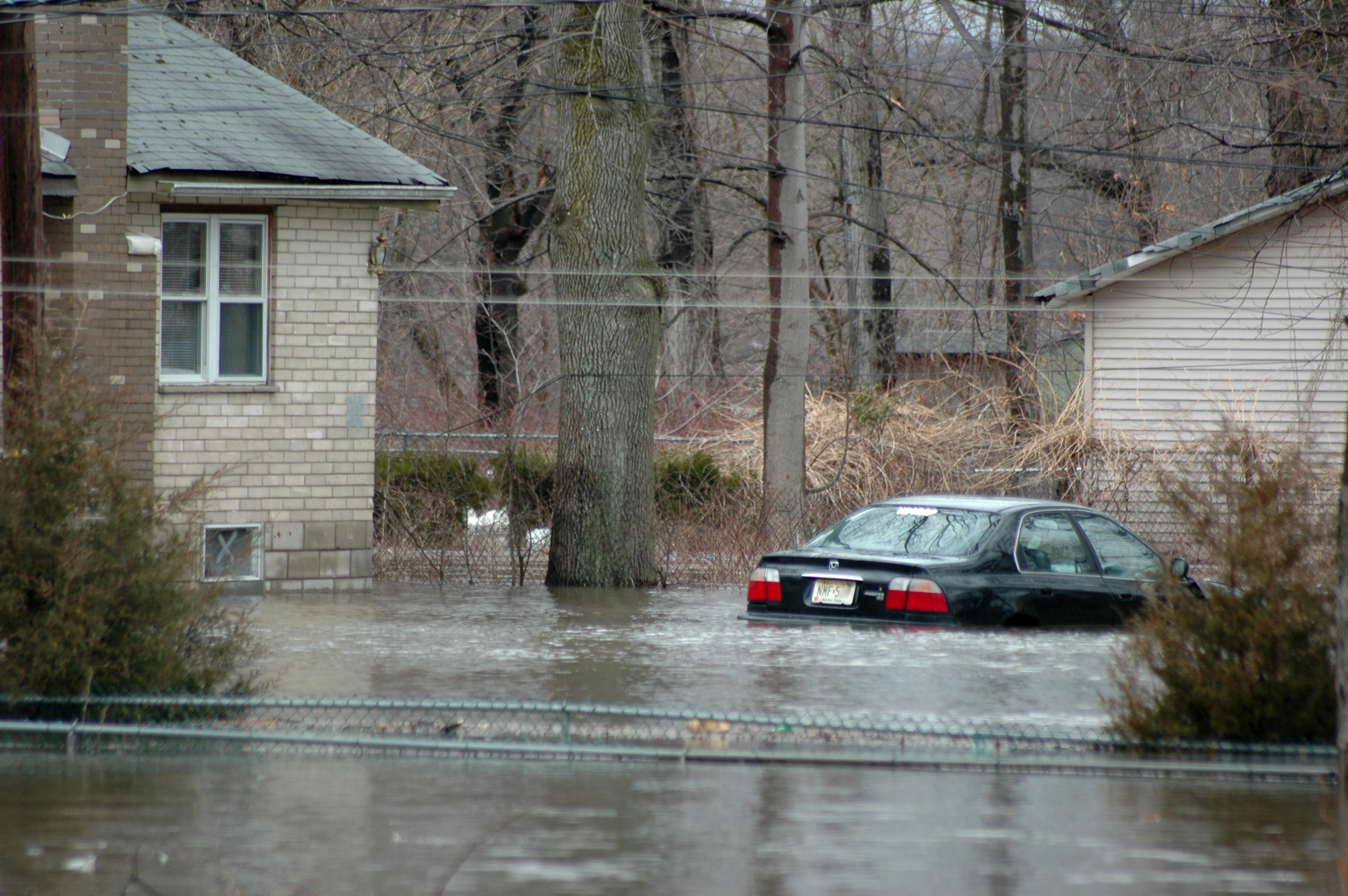
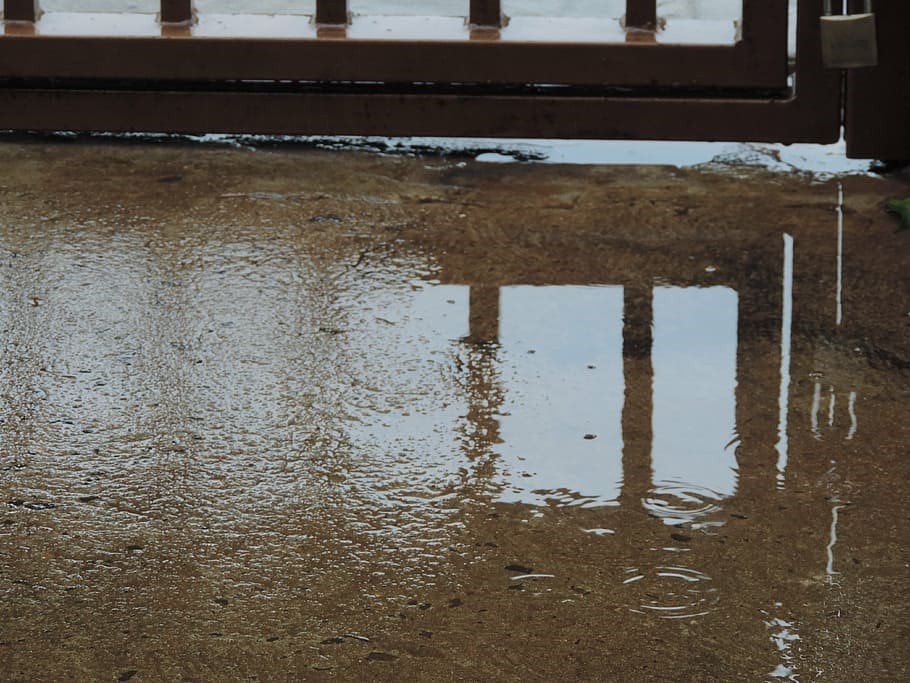
Floods can be caused from a number of sources, including heavy rain.
- Hurricane
- Monsoon
- Several days of rain
Common Causes of Flooding in Residential Areas
| Cause of Flooding | How It Happens | Risk Level |
|---|---|---|
| Heavy Rainfall | Storm drains and soil become overwhelmed | High |
| Flash Floods | Rapid rise of water in low-lying areas | Very High |
| Snowmelt | Frozen ground prevents proper drainage | Moderate to High |
| Hurricanes & Tropical Storms | Storm surge and heavy rain cause widespread flooding | Very High |
| River Overflow | Rivers exceed their banks after prolonged rainfall | High |
| Urban Drainage Failure | Sewer systems and drains become overloaded | Moderate to High |
Preparing for Flood Season
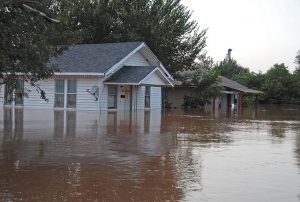
Follow as many of these preparation tips to limit as much damage as possible during flood season.
Flooding can occur at any time, but spring is the most common season due to frequent showers and melting snow. Preventing a flood from occurring is just about impossible, but limiting the damage it causes to your building materials and belongings is something you can control.
As long as the flood has not occurred already, follow these steps to prevent as much damage as possible during an emergency:
- Consider adding flood insurance to your homeowners insurance plan.
- Watch for flood warnings and alerts on your phone, TV, or radio.
- Be aware of the risk of flooding in your area.
- Create and memorize a flood evacuation plan that includes all pets.
- Create a flood preparation kit that includes at least 3 days of food and water, batteries, a flashlight, first aid kit, and cash.
Flood Season Emergency Kit Checklist
A flood emergency kit should be stored in an easily accessible location and contain enough supplies for at least three days.
Recommended Items:
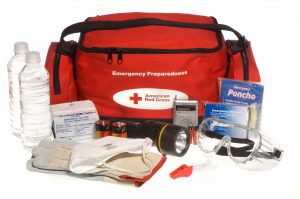
Always keep a flood preparation tool kit ready in case of emergencies.
- Bottled water
- Non-perishable food
- Flashlights
- Extra batteries
- First aid kit
- Prescription medications
- Cell phone chargers
- Cash
- Important documents in waterproof containers
- Pet food and supplies
- Emergency blankets
- Battery-powered radio
Flash Flooding
Flash floods are nothing to be taken lightly. They can occur within seconds from growing water levels in a river, stream, or ditch. Be sure to stay alert and follow the steps below as soon as you receive a flash flood warning.
Getting Help After a Flood
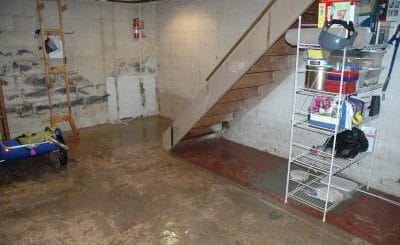
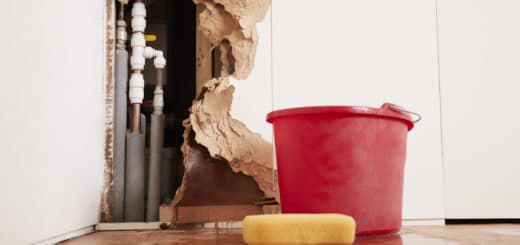
If you have already suffered through a flood, never panic. Here are 10 tips on what to do after sustaining flood damage. But the most important step is to call a flood cleanup professional to have your property restored right away. If not, the water can spread throughout the building materials, resulting in increased costs and repairs in the long run.
What the 3 Different Flood Alerts Mean
Flood Watch and Flood Warning: What’s the Difference?
Knowing the difference between a flood watch and flood warning is crucial towards preventing or limiting as much damage as possible during an emergency. The following explains the difference between flood watches and flood warnings:
- Flash flood watch: Flooding is possible.
- Flash flood warning: Flooding is occurring and/or is coming to your area. Proceed to follow the steps below.
What to Do During a Flood Watch
Check out these steps on how to properly prepare during a flood watch:
- Review your emergency evacuation plan that includes all pets.
- Know where to find higher ground as quickly as possible on foot.
- Listen to the TV or radio to get the latest weather updates and emergency preparation instructions.
- Keep the numbers of your insurance and flood cleanup company on hand.
- Prepare or restock your emergency flood kit that includes batteries, a flashlight, cash, a first aid kit, and 3 days of food and water.
Flood Watch: Preparing the Home
- Move all outdoor furniture inside, such as in the garage, shed, or first floor.
- Move any important items on the first floor to the highest floor, such as to the attic or upstairs bedrooms.
- Disconnect all appliances and electronics. Do not touch any of this equipment if there is standing water on the property.
- If required, turn off the power and gas to the property to prevent electrical fires or explosions.
What to Do During a Flood Warning
When a flood warning is issued, be sure to take these steps, as it means a flood is already happening or will happen shortly:
- Evacuate if instructed to do so.
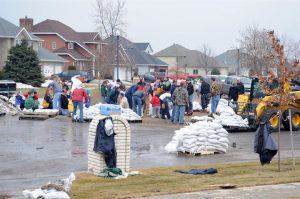
Always be prepared to evacuate during a flood warning.
- Never walk or drive through floodwaters. You never know what kind of contaminants may be floating around. Also know that even 6 inches of water is enough to knock anyone down.
- Find a local emergency shelter.
- Bring all companion animals, such as dogs, cats, ferrets, birds, etc. inside. Include all of their documentation with important records.
- If you have livestock, move them to higher ground or inside a barn.
When the Flood Has Already Occurred
- Only return home when the authorities say it is safe to do so.
- If the roads are still flooded, do not drive or wade in standing water.
- If the roads are not flooded, be careful of debris and erosion from the water.
- Take pictures of all damage done to the property to provide to your insurance company.
When it comes to flooding, especially flash floods, nothing is more important than protecting the safety of everyone involved. That’s why these steps are crucial when taking the proper precautions during emergencies.
FAQ
How much water does it take to flood a home?
Even a few inches of water can cause thousands of dollars in damage to flooring, drywall, furniture, and personal belongings.
Should I turn off electricity before a flood?
If it is safe to do so and local authorities recommend it, shutting off power can help reduce the risk of electrical hazards.
How soon should floodwater be removed from a home?
Floodwater should be removed as quickly as possible. Mold growth can begin within 24 to 48 hours after water intrusion.
Can floodwater make you sick?
Yes. Floodwater often contains bacteria, chemicals, sewage, and other contaminants that can pose serious health risks.
What should I do immediately after a flood?
Document the damage, contact your insurance provider, avoid contaminated water, and call a professional flood restoration company to begin cleanup.
Does homeowners insurance cover flood damage?
Most standard homeowners insurance policies do not cover flood damage. Separate flood insurance is often required.
Emergency Water Extraction
The second most important step is to address the damage to your property. Call your insurance company right away to inform them of what has happened. Then call an emergency flood restoration company.
Need Professional Flood Damage Restoration?
Flood damage can continue to worsen long after the water recedes. Moisture trapped behind walls, under flooring, and inside structural materials can lead to mold growth, wood rot, and costly repairs.
If your home has been affected by flooding, contact RestorationMaster for emergency flood cleanup and water damage restoration services. Our technicians are available 24/7 to remove standing water, dry affected materials, prevent mold growth, and restore your property as quickly as possible. The sooner restoration begins, the more damage you can prevent.

About Vince Sandri
Vince Sandri is a disaster restoration content specialist with more than 12 years of experience researching, writing, and educating property owners about water damage, fire and smoke damage, mold remediation, storm damage, and other disaster recovery topics. Since 2014, he has served as the lead contributor to RestorationMaster.us, where he has developed hundreds of in-depth service pages, educational guides, and industry-focused articles for restoration professionals across the United States.
Through extensive research and ongoing collaboration with restoration contractors, Vince has built a strong foundation in the science, processes, and best practices behind property damage mitigation and recovery. His work aligns with industry standards like the IICRC and EPA guidelines, and helps homeowners, business owners, and property managers understand how disasters impact structures, what immediate steps to take, how professional restoration works, and how to prevent long-term structural and health risks.
Vince specializes in translating complex restoration procedures — including water extraction, structural drying, smoke odor removal, mold containment, and storm damage repair — into clear, actionable information that empowers readers to make informed decisions during high-stress situations. His content aligns with industry standards and focuses on safety, accuracy, and practical response strategies.
He earned his Bachelor of Arts degree from Aurora University and his master’s degree from DePaul University. Since 2012, Vince has focused on SEO-driven website content, technical service pages, and educational resources within the disaster restoration industry.
Outside of his professional work, Vince is also a musician and performs in the Chicago, IL area.