Costs of Fire Damage: How to Handle Repair and Save Money
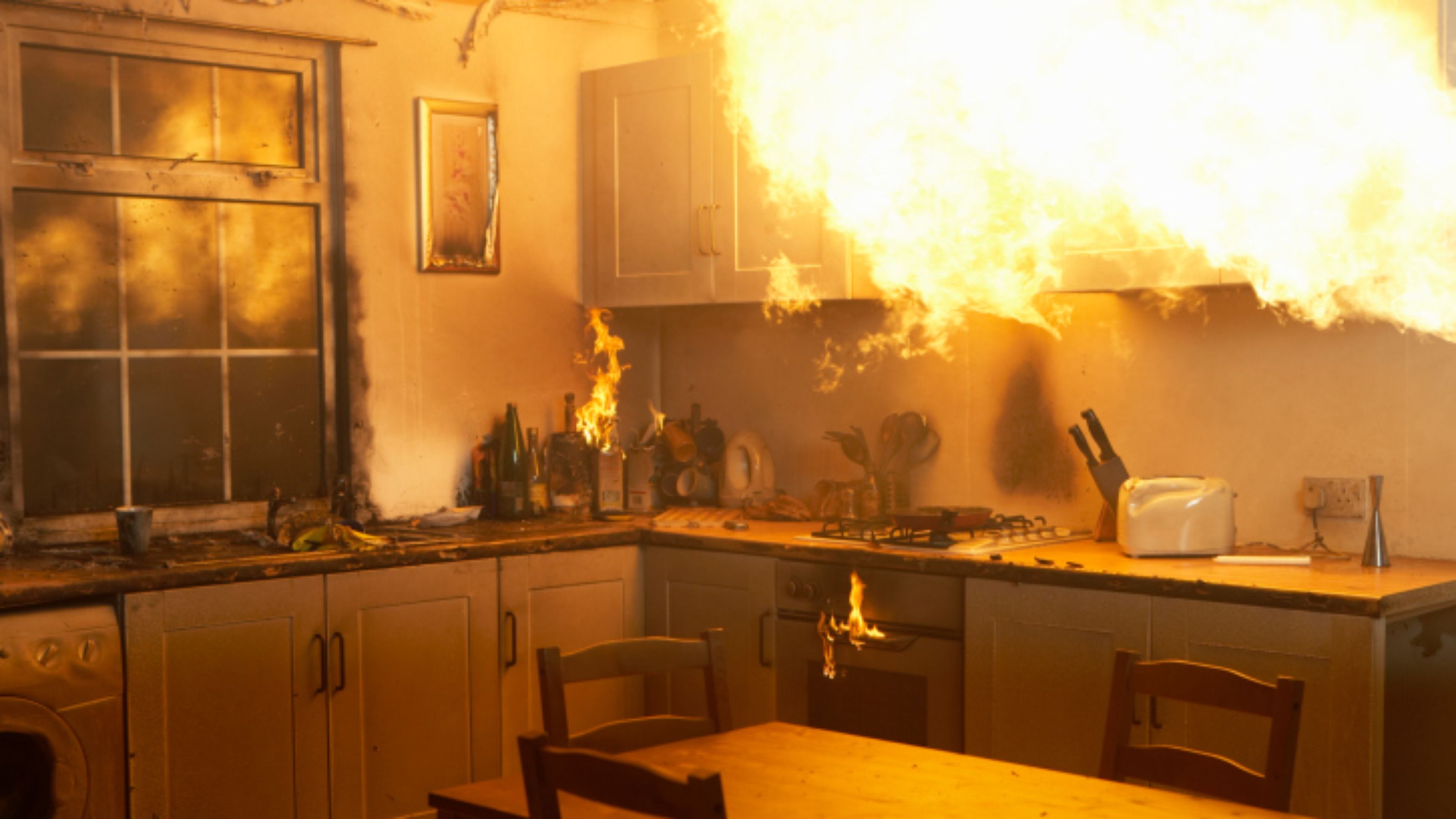
When flame and smoke invade your home, the cost of restoring what was lost goes far beyond charred walls and ruined belongings. Restoration is as much about time, skill, and judgment as it is about materials. Understanding what shapes the cost and how to influence those factors can save you thousands of dollars (and plenty of stress).
Below, we explore the anatomy of fire damage costs, real‐world figures, hidden expenses, and smart strategies to keep your bills from spiraling.
What Restoration Truly Includes
Before jumping into dollar figures, it helps to know what “restoration” means in practice. After a fire, you’ll often need:
- Assessment and Inspection: The restoration process begins with a careful assessment to determine what has been damaged and what can still be saved.
- Emergency Response Work: Immediate steps such as boarding up windows, covering damaged areas with tarps, and securing the structure help prevent further harm.
- Water Damage Mitigation: Firefighting often leaves water soaked into walls, floors, and other materials, so it is essential to dry and treat these areas promptly.
- Smoke, Soot, and Odor Cleaning: Smoke and soot penetrate deeply into surfaces, and professional cleaning is required to remove stubborn odors and residues.
- Structural Repair and Rebuild: Damaged drywall, flooring, roofing, and electrical systems are replaced or repaired to restore the home to a safe and functional state.
- Content Cleaning or Replacement: Furniture, personal belongings, and appliances are either professionally cleaned or replaced if they cannot be restored.
- Permits, Inspections, and Compliance: All work must meet local building codes, which may include updates to electrical systems, fire safety measures, or other regulations.
Factors That Drive the Price Up (or Keep It Moderate)
Here are the main levers that determine how much you’ll pay:
| Factor | How It Influences Cost |
|---|---|
| Severity of fire (intensity, duration, what materials burned) | Hotter, longer fires burn deeper; burn plastics, oils, chemicals → more damage, more intense smoke and soot, more difficult cleanup. |
| Size of the affected area (square footage, number of rooms) | It takes more materials and labour the more space is involved. Smoke and smell often spread beyond visibly burned areas. |
| Type of fire (grease, electrical, combustible materials, chemical, etc.) | A kitchen grease fire or one involving chemicals or synthetic materials leaves more stubborn residues and smoldering damage, making cleanup harder. |
| Water damage from extinguishing efforts | Water soaks into drywall and insulation, creating mold risks. Drying and dehumidification add substantial costs. |
| Smoke, soot, odor cleanup intensity | Porous surfaces, HVAC ducts, and hidden cavities absorb smoke and soot. Special treatments like thermal fogging or ozone may be required. |
| Material quality & finishes | High-end materials cost more to replace. Cheaper materials are easier to match or salvage and affect labor and repair time. |
| Accessibility & complexity | Areas like attics, crawl spaces, steep or tall sections, and walls behind furniture increase labor time and difficulty. |
| Local labor rates, codes, permits | Urban areas, expensive states, and strict building or fire codes raise costs. Permits and inspections add additional fees. |
| Speed of response | Quick cleanup reduces secondary damage like smoke penetration, mold, and corrosion, which can otherwise greatly increase costs. |
| Insurance coverage & policy details | Deductibles, what the policy covers, and exclusions influence out-of-pocket costs, including temporary housing, content replacement, or upgrades to meet current codes. |
What You Can Expect to Pay for Fire Damage Repairs in 2025–2026
It’s one thing to know what influences cost; it’s another to see actual numbers. Below are updated figures based on recent restoration data in the U.S.
| Type/Level of Damage | Typical Cost Range* |
|---|---|
| Minor fire and smoke damage affecting one room with light smoke and little structural damage. | $2,000 ‐ $7,000 |
| Moderate damage involving multiple rooms, some structural repair, water issues, and smoke and soot cleanup. | $10,000 ‐ $25,000 |
| Major damage covering the whole house, including structural, electrical, kitchen or bathroom replacement, and extensive soot and odor remediation. | $30,000 ‐ $70,000+ (and in extreme cases beyond $100,000) |
*These are national averages and ranges; local prices can vary significantly.
Key Metrics For Understanding Fire Damage Costs
When planning for fire restoration, it helps to understand some common metrics that homeowners can use to estimate potential costs:
- Cost per square foot: For typical smoke and fire damage cleanup, restoration often ranges between $4.00 and $7.00 per square foot. This provides a helpful baseline for smaller projects or partial restorations.
- National average for full restoration: Across the country, the average cost of full fire damage restoration is estimated at around $12,900. Many homes fall within a range of $1,200 for very minor damage to $72,300 for extensive destruction.
- Alternative averages: Another study reports that the average cost for fire and smoke restoration is approximately $20,470, with most projects ranging between $2,900 and $38,325 depending on the severity of damage and the size of the property.
What Are the Hidden Costs and Considerations of Fire Damage?
Often, the visible damage isn’t where all the expense lies. These “below the surface” costs can surprise homeowners.
- Temporary housing and relocation: If a home is uninhabitable for days or weeks, costs for hotels or rentals, extra travel, and storing belongings can add up quickly. Insurance may cover “Loss of Use” or “Additional Living Expenses” if these are included in the policy.
- Damage to personal belongings: Even when structural damage is minor, furniture, clothing, and electronics may need deep cleaning or full replacement. Smoke can infiltrate fabrics and electronics, and odors often linger, making professional cleaning essential.
- Mold prevention and remediation: Water used to extinguish a fire can lead to hidden moisture. If not properly dried, this can cause mold growth, which adds another layer of cost to the restoration process.
- Upgrades to meet codes or safety requirements: Restoring a home after a fire sometimes triggers the need to bring certain areas up to current building or fire codes. This could include installing newer smoke detectors, updating wiring, or using fire-rated materials. While these upgrades add cost, they ensure the home is safe and compliant.
- Inspection and permit fees: Local regulations often require building permits, inspections for electrical, plumbing, or structural work, and final occupancy approvals. These fees may seem minor individually, but they can accumulate.
- Depreciation and impact on property value: Even after complete restoration, a home that has experienced significant fire damage may see a decrease in resale value. Some buyers may be hesitant, and lingering smoke or odor detected by inspectors can lower the market price.
Example Scenarios
Here are a few hypothetical but realistic case studies, to illustrate how costs stack up:
| Scenario | House Info | Key Damage Features | Estimated Cost |
|---|---|---|---|
| Small Kitchen Fire | 1,200 sq ft home, fire limited to kitchen cabinets plus some smoke in dining room | Burned cabinets, some drywall replaced, smoke and odor removal but minimal structural damage, water used but dried quickly | $8,000 ‐ $15,000 |
| Moderate Whole-House Smoke & Water Intrusion | 2,500 sq ft, fire confined but lots of smoke, hoses/pumper caused water seepage into flooring and wall cavities, some ceiling repair | Ceiling and floor replacement, smoke remediation, water drying, drywall work in several rooms | $20,000 ‐ $35,000 |
| Major Fire + Structural Damage | 3,500–4,000 sq ft, fire through roof, damage to electrical and structural supports, kitchen, multiple rooms destroyed | Roof rebuild, flooring replacement whole house, full repainting, extensive odor/smoke cleanup, possibly relocation during work | $60,000 ‐ $120,000+ |
How Much Will Insurance Cover?
Your homeowners insurance can cover a significant portion of fire damage restoration, but the extent depends on your policy’s specifics. Most policies include:
- Dwelling Coverage: Pays to repair or rebuild your home’s structure.
- Personal Property Coverage: Covers the repair or replacement of belongings damaged in the fire.
- Loss of Use Coverage: Pays for temporary housing and additional living expenses if your home becomes uninhabitable.
However, coverage limits, deductibles, and exclusions can affect how much you pay out-of-pocket. For example, some policies have percentage deductibles based on your home’s insured value. In California, a 2% deductible on a $500,000 home would mean a $10,000 out-of-pocket expense before insurance coverage kicks in.
To understand your policy’s coverage, review your insurance documents and consult with your insurance adjuster. For more detailed information on filing a fire damage insurance claim, read the guide.
What You Can Do to Save Money
While fire restoration is never cheap, there are ways to limit costs without sacrificing safety or quality:
- Act Fast: The sooner you address water, smoke, and smell, the less damage compounds. Delays allow mold, corrosion, smoke particles to penetrate deeper. Quick emergency board-ups, drying, ventilating save money down the line.
- Retain what you can: Sometimes materials like drywall, flooring, wood trim, doors, cabinetry can be cleaned instead of replaced. Get professional opinions. Restoring items often costs less than replacement, if damage is not too deep.
- Use mid-grade materials wisely: If budget is tight, you might choose good but not premium finishes during restoration—at least initially. You can always upgrade later when finances allow.
- Prevent further damage (secondary damage): Issues like water damage, mold, smoke odor spreading—if they are addressed early, they cost far less than if allowed to escalate.
- Work with insurance, document thoroughly: When dealing with fire damage, it’s important to stay organized from the start. Take plenty of photographs before any cleanup begins and keep all invoices and receipts. Work with restoration companies that have experience handling insurance claims, and make sure you understand exactly what your policy covers—and what it doesn’t. Don’t forget to check if you have coverage for “Loss of Use” or temporary housing while your home is being repaired.
- Compare multiple contractors: Get several estimates. Ask for itemized breakdowns: what they’ll do, what they think can be salvaged, what materials they’ll use. This allows comparisons and avoids overcharging.
- Check local codes & permits in advance: Sometimes delays or extra work come from overlooked code requirements. If you know ahead what local building / fire codes require (e.g. wiring upgrades, smoke alarm regulations), you can include those in your restoration plan rather than being surprised.
Is Your Property Affected By Fire, Smoke or Soot Damage? Find a Contractor In Your Area
A fire damage restoration service can help address the lasting effects of fire, smoke, and soot on your home. Even after the flames are out, smoke can settle into walls and fabrics, water used to extinguish the fire can soak into floors, and soot can reach hidden areas. Every home and every fire is unique, so working with professionals who understand all aspects of restoration is essential. RestorationMaster connects you with experienced local contractors who handle everything from cleanup and repairs to smoke and odor removal. Working with the right team ensures your home is restored safely, efficiently, and with care. Find a trusted RestorationMaster contractor near you and take the first step toward bringing your home back to its best. Add your zip code in the search filter and it will direct you to the contractor in your area.
FAQs
How quickly should restoration start after a fire?
Restoration should begin as soon as possible which is ideally within 24–48 hours to prevent secondary damage like mold, corrosion, or lingering smoke odor. Early action reduces long-term costs and repairs.
Who Is Responsible If a Neighbor’s Fire Damages Your Home?
If a neighbor’s fire damages your home, your insurance typically covers repairs first. If the neighbor was at fault, your insurer can seek compensation from their insurance. Neighbors aren’t liable for fires caused by factors beyond their control, like defective appliances.
For more details on handling fire damage and liability, read our full guide here

About Vince Sandri
Vince Sandri is a disaster restoration content specialist with more than 12 years of experience researching, writing, and educating property owners about water damage, fire and smoke damage, mold remediation, storm damage, and other disaster recovery topics. Since 2014, he has served as the lead contributor to RestorationMaster.us, where he has developed hundreds of in-depth service pages, educational guides, and industry-focused articles for restoration professionals across the United States.
Through extensive research and ongoing collaboration with restoration contractors, Vince has built a strong foundation in the science, processes, and best practices behind property damage mitigation and recovery. His work aligns with industry standards like the IICRC and EPA guidelines, and helps homeowners, business owners, and property managers understand how disasters impact structures, what immediate steps to take, how professional restoration works, and how to prevent long-term structural and health risks.
Vince specializes in translating complex restoration procedures — including water extraction, structural drying, smoke odor removal, mold containment, and storm damage repair — into clear, actionable information that empowers readers to make informed decisions during high-stress situations. His content aligns with industry standards and focuses on safety, accuracy, and practical response strategies.
He earned his Bachelor of Arts degree from Aurora University and his master’s degree from DePaul University. Since 2012, Vince has focused on SEO-driven website content, technical service pages, and educational resources within the disaster restoration industry.
Outside of his professional work, Vince is also a musician and performs in the Chicago, IL area.