









Tips for Removing Smoke Odor from Your Home
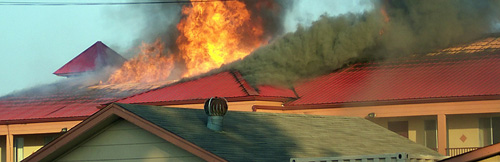
Fires cause a significant amount of physical damage to a home but the lingering odors left behind from the smoke can spread throughout the house, even to where there is no damage.
After a fire or even heavy cigarette use microscopic soot and volatile organic compounds (VOCs) embed in porous materials (drywall, carpet, upholstery) and HVAC dust. Utah’s dry climate helps odors volatilize, while closed-up homes hold them in.
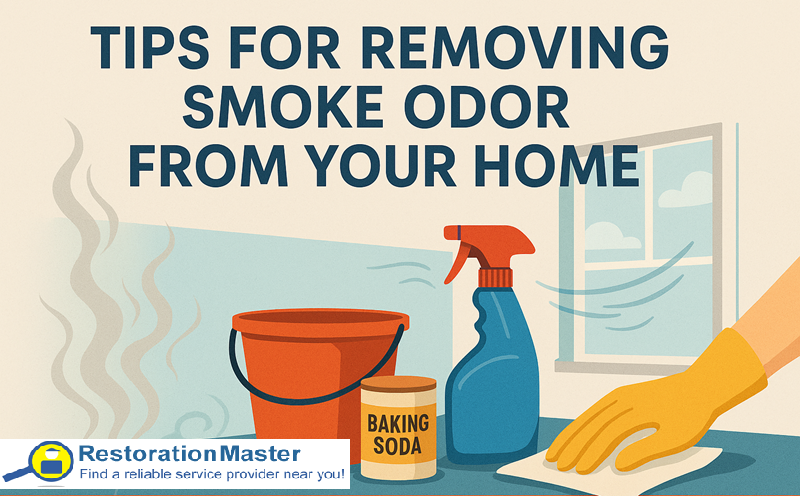
Smoke Odor in Your Home: Proven Ways to Remove It (Salt Lake City Guide)
Typically when a strong smoke odor is left behind in a home, it is best to call a professional for smoke odor damage restoration services. However, there are some things homeowners can do to help alleviate the strong smoke odor by using these following items to disrupt odor causing molecules from the smoke. DIY steps can reduce odor, but full removal often needs pro-grade cleaning, HEPA filtration, and deodorization.
 Quick Safety Check (Before You Start)
- Wear gloves and an N95 when handling soot.
- Ventilate well; avoid mixing chemicals.
- If soot is widespread or you smell electrical/burnt plastic, call professionals first.
Step-by-Step DIY Smoke Odor Reduction
Use these in combination for best results.
1) Cross-Ventilate & Control Airflow
- Open windows/doors when outdoor air is better; use box fans to exhaust air.
- Replace HVAC filters; turn off forced-air during heavy cleaning to avoid re-circulation.
2) White Vinegar (Surface Neutralizer)
- Mix 1:4 vinegar:water in a bucket.
- Wipe walls, ceilings, cabinets, hard floors, and washable furniture.
- Set shallow bowls of vinegar for 24–48 hours to absorb lingering odor.
- Optional: a few drops of lavender to soften the vinegar smell.
3) Baking Soda (Porous Deodorizer)
- Liberally sprinkle on carpets, rugs, mattresses, and upholstery.
- Let sit 8–12 hours, then vacuum with a HEPA vacuum if available.
- Place small open boxes/bowls in closets and cabinets for passive absorption.
4) Activated Charcoal (High-Capacity Absorber)
- Place bowls or bags in odor-heavy rooms, inside cabinets, and near return vents.
- Replace or recharge per package directions.
5) Odor-Reducing Products (Finishing Touch)
- Fabric refreshers and diffuser oils can mask light residuals, but don’t remove source.
- Use only after cleaning/absorption steps.
6) Ozone & Thermal Fogging (Use With Caution)
- Consumer ozone machines can help in unoccupied spaces, but won’t fix soot in materials and can be hazardous if misused.
- Pros pair controlled ozone or hydroxyl with source removal, cleaning, and sealing, which is what actually solves persistent odor.
How to Remove Smoke Odors from Furniture
What to Throw Away After Smoke Damage
How to Get Smoke Odors Out of Clothing
Is It Safe to Stay in a Smoke Damaged Home
When to Call a Smoke Damage Pro (Salt Lake City)
- Strong odors return within 24–48 hrs after cleaning.
- Soot staining on ceilings, crown, or inside HVAC returns.
- Odor is embedded in carpet padding, insulation, or drywall.
- Affected area >150–200 sq ft, or you’re concerned about health/safety.
What professionals do: Moisture/soot mapping, HEPA air filtration, detailed cleaning, duct cleaning, thermal fogging/hydroxyl, selective removal of saturated materials, odor sealers, and post-treatment verification.
If a fire in your home has left a lingering smoke odor, these products can help you eliminate some of the odor from the home. However, if the odor has penetrated deeply into the home or your furnishings, then it is best to call a reliable smoke damage restoration professional for odor damage restoration. There are trusted service providers in the Salt Lake City area such as RestorationMaster in Salt Lake, Utah that can effectively remove smoke odor using environmentally friendly methods.
Prevention After Restoration
- Install/replace MERV-rated filters and change on schedule.
- Schedule duct cleaning if soot reached the system.
- Store smoke-contaminated items (textiles, books) separately until treated.
- Keep a home fire safety kit; test detectors monthly.
Removing Smoke Odor: FAQ
How long does smoke smell last after a small fire?
Anywhere from days to months until soot/VOCs are physically removed or sealed.
Will vinegar and baking soda fully remove smoke odor?
They reduce odors but rarely achieve complete removal if materials are saturated.
Is ozone safe for DIY use?
Only in unoccupied spaces and per manufacturer guidance. Professionals often prefer hydroxyl combined with source removal.
Do I need duct cleaning after smoke exposure?
If smoke entered returns or you smell odor when HVAC runs, yes—ducts and coils can hold odors.
How much does professional smoke deodorization cost in SLC?
Varies by scope; light deodorization might be a few hundred dollars, while heavy soot removal and material replacement can reach into the thousands. An on-site assessment is best.
Still Smelling Smoke? Get Professional Odor Removal in Salt Lake City
Certified technicians use HEPA air scrubbers, thermal fogging/hydroxyl, duct cleaning, and odor sealers to eliminate smoke at the source.
Request an Inspection
or call (801) 742-5694
♦ 24/7 emergency response
♦ Duct & HVAC deodorization
♦ Written odor-removal plan & warranty

About Vince Sandri
Vince Sandri is a disaster restoration content specialist with more than 12 years of experience researching, writing, and educating property owners about water damage, fire and smoke damage, mold remediation, storm damage, and other disaster recovery topics. Since 2014, he has served as the lead contributor to RestorationMaster.us, where he has developed hundreds of in-depth service pages, educational guides, and industry-focused articles for restoration professionals across the United States.
Through extensive research and ongoing collaboration with restoration contractors, Vince has built a strong foundation in the science, processes, and best practices behind property damage mitigation and recovery. His work aligns with industry standards like the IICRC and EPA guidelines, and helps homeowners, business owners, and property managers understand how disasters impact structures, what immediate steps to take, how professional restoration works, and how to prevent long-term structural and health risks.
Vince specializes in translating complex restoration procedures — including water extraction, structural drying, smoke odor removal, mold containment, and storm damage repair — into clear, actionable information that empowers readers to make informed decisions during high-stress situations. His content aligns with industry standards and focuses on safety, accuracy, and practical response strategies.
He earned his Bachelor of Arts degree from Aurora University and his master’s degree from DePaul University. Since 2012, Vince has focused on SEO-driven website content, technical service pages, and educational resources within the disaster restoration industry.
Outside of his professional work, Vince is also a musician and performs in the Chicago, IL area.


Thanks for these helpful tips!
There was a recent fire in a historic building in the downtown where I work, and the next door property (a restaurant) retained a strong smoke odor. I know from that, and another incident (a fire at the Y where I exercise) just how difficult it is to remove smoke odor. Another nearby business to the “historic building” fire used an ozone generator supplied by a restoration company, with great success.
Wow, this is really great, practical advice! I would imagine that this could be very helpful for many people.