Can Humidifiers Cause Mold Growth?
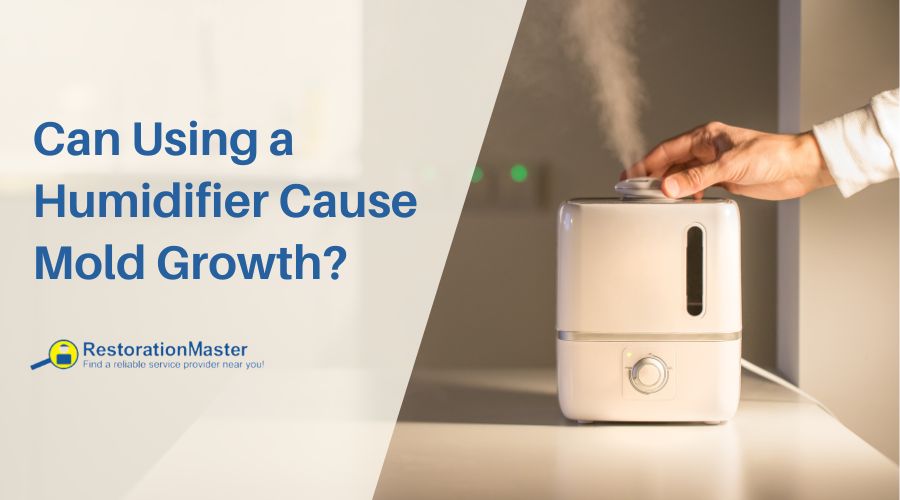
Humidifiers can be a lifesaver in dry climates or during the winter months, helping relieve dry skin, ease congestion, and improve indoor comfort. But here’s the catch: if you don’t use or maintain your humidifier correctly, you may be creating the perfect conditions for mold growth in both the appliance and your home. When moisture levels are too high or the device isn’t cleaned regularly, mold can develop inside the humidifier and on surrounding surfaces, affecting both your home and health. If you suspect humidifier-related mold, contacting a certified mold remediation expert is the safest way to restore healthy indoor air quality.
In this guide, we’ll cover:
- The science behind humidifiers and mold
- Signs your humidifier may have mold
- How to prevent mold growth
- Safe cleaning methods
- When to call a professional mold remediation service
Do Humidifiers Cause Mold?
Humidifiers themselves don’t directly cause mold, but they add moisture to the air, and excess moisture is mold’s best friend. When indoor relative humidity (RH) stays above 60% or a humidifier’s water tank isn’t cleaned often, mold spores can germinate in as little as 24–48 hours. These spores can spread through the air, land on damp surfaces, and begin growing in walls, ceilings, and even HVAC systems.
Key mold risk factors from humidifier use:
- Stagnant water in the reservoir: When water sits too long in your humidifier, it becomes the perfect hangout spot for mold and bacteria.
- High humidity settings: Cranking your humidifier too high can turn your home into a mini rainforest—great for mold, not for you.
- Poor air circulation in the room: Without good airflow, moisture lingers in the air and settles on surfaces, giving mold the green light to grow.
- Use of tap water with mineral content: Tap water often leaves behind minerals that can feed mold and create stubborn buildup inside your humidifier.
- Dirty or clogged filters: A neglected filter can become a mold motel, sending spores right back into the air you breathe.
What is Mold and Why is it a Concern Indoors?
Mold is a type of fungus that thrives in moist, oxygen-rich environments. Outdoors, it plays an essential role in breaking down organic matter. Indoors, however, mold can grow on surfaces like drywall, wood, and paper, feeding on building materials and causing property damage. Mold is commonly found in areas with high humidity and darkness, such as basements and crawl spaces.
The Health Hazards Associated with Mold
It is important to be aware of the health risks associated with mold, despite it being a common sight in many homes. Although surface mold may not cause effects in healthy adults, individuals with allergies, asthma, or other respiratory conditions have a higher risk of experiencing reactions. Individuals who are children, seniors, or have pre-existing respiratory diseases may be more sensitive to mold spores in the air. Mold exposure can cause respiratory symptoms like coughing and wheezing, potentially worsening existing conditions.
By understanding the behavior of mold and how to prevent its growth, we can maintain a healthy living environment and avoid the negative effects that it can cause.
Optimal Humidity Levels for a Mold-Free Home
The U.S. Environmental Protection Agency recommends keeping indoor humidity between 30% and 50%. This range is comfortable for people but hostile to mold growth.
| Relative Humidity (RH) | Mold Risk | Recommended Action |
|---|---|---|
| 20–30% | Low – Air too dry | Increase humidity gradually |
| 30–50% | Ideal – Low risk | Maintain with monitoring |
| 50–60% | Moderate – Risk rises | Lower humidifier output |
| 60%+ | High – Mold likely | Use a dehumidifier immediately |
Pro Tip: Place a digital hygrometer in the same room as your humidifier to track humidity in real time.
Types of Humidifiers and Their Mold Risk
There is a common belief that humidifiers cause mold, but mold in a humidifier is often a result of poor maintenance or high levels of humidity in the home. As previously mentioned, mold relies on moisture for growth. Humidifiers add moisture to the air, which can create favorable environments for mold to prosper.
| Humidifier Type | Mold Risk | Notes |
|---|---|---|
| Ultrasonic | High | Mineral dust and stagnant water issues |
| Evaporative | Medium | Lower risk, but filters need frequent changes |
| Steam Vaporizer | Low | Heat kills many microbes, but tanks still need cleaning |
5 Signs of Mold in a Humidifier
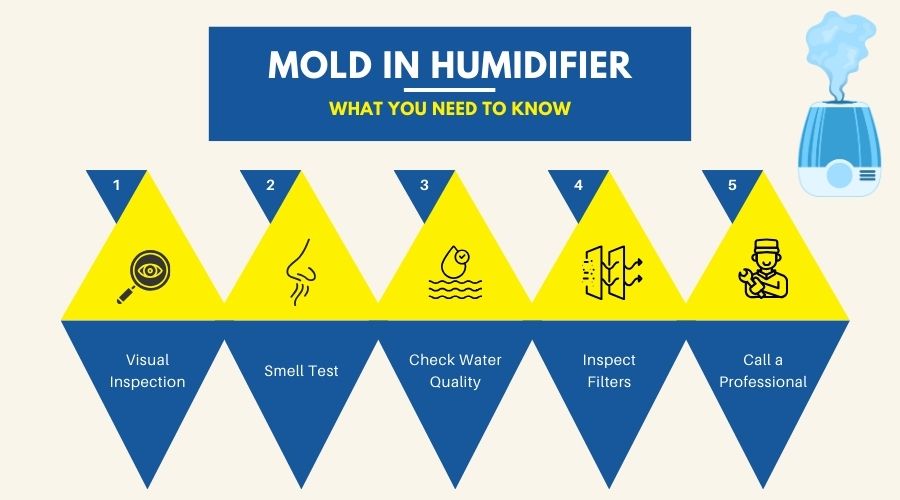
Identifying mold in your humidifier requires careful inspection and observation. Here are some warning signs that you may have mold in your humidifier.
- Visible Growth: Black, green, or pink patches inside the tank or nozzle
- Musty Smell: Earthy odor in the mist or around the appliance
- Cloudy or Slimy Water: Mold can float on the water’s surface and form biofilm
- Allergy Symptoms: Sneezing, itchy eyes, coughing after using a humidifier
- Reduced Performance: Weaker mist output from clogged parts
How to Find Mold In Your Humidifier
How to Prevent Mold Growth in a Humidifier
Proper maintenance and smart usage can significantly reduce the risk of mold forming in your humidifier and your home. Mold not only impacts your family’s health, but it can also cause damage to walls, ceilings, and furniture. Follow these proven strategies to keep your indoor air fresh, clean, and mold-free.
1. Maintain a Regular Cleaning Schedule
Your humidifier should be cleaned at least once a week, and more often if it’s used daily. Empty and rinse the water reservoir each day to avoid stagnant water, which can become a breeding ground for mold spores. Once a week, disinfect the tank using a solution of equal parts white vinegar and water, or a diluted hydrogen peroxide mix. Always follow the manufacturer’s cleaning instructions to avoid damaging the unit, and remember that regular cleaning prevents both mineral buildup and mold growth.
2. Replace the Water Regularly Using Distilled or Demineralized Water
Never let water sit in the humidifier between uses. Stale water encourages mold and bacterial growth, so replace it daily with fresh, distilled, or demineralized water. These options contain fewer minerals than tap water, reducing the buildup that mold can feed on. Rinsing the tank before adding new water helps remove any lingering particles or residue.
3. Inspect and Replace Filters Regularly
If your humidifier uses a filter, check it often. Filters should be inspected every few weeks for discoloration or odor and replaced according to the manufacturer’s recommendations. A dirty or clogged filter can harbor mold and bacteria, releasing them directly into the air you breathe, so timely replacement is crucial for maintaining safe indoor air quality.
4. Improve Room Ventilation
Humidity without airflow can quickly lead to condensation and damp surfaces, the perfect conditions for mold. Place your humidifier in a well-ventilated area and avoid using it in small, enclosed spaces like closets or bathrooms. Running ceiling fans, opening windows, or using exhaust fans can help keep the air moving and prevent moisture from settling on nearby surfaces.
5. Protect Nearby Surfaces
Condensation from a humidifier can affect walls, windowsills, and floors. To prevent damage, place your unit on a non-porous surface such as glass, plastic, or metal, and keep it at least a foot away from walls or curtains. If you notice moisture collecting on nearby surfaces, wipe it down promptly to discourage mold growth.
6. Monitor Humidity Levels
A digital hygrometer is an inexpensive tool that can help you keep humidity in check. The ideal range for most homes is between 30 and 50 percent relative humidity. If levels climb above 60 percent, your risk of mold growth increases dramatically, so adjust your humidifier’s settings or reduce usage when needed.
7. Consider an Anti-Mold Humidifier
Some modern humidifiers are designed with built-in mold prevention features such as SPA technology and antimicrobial filters. These devices can help reduce the risk of mold spores being released into the air, particularly in humid climates or homes with allergy-prone residents. While these features add an extra layer of protection, regular cleaning and maintenance are still essential.
How to Clean a Humidifier
To keep a humidifier clean, dry, and free of mold, users need to have a consistent cleaning schedule. Below are weekly maintenance tips users should follow to keep their humidifier clean and working well.
- Unplug and empty the humidifier.
- Fill the tank with 1 part distilled vinegar to 1 part water.
- Let it sit for 1 hour to loosen the buildup.
- Use a soft brush to scrub all surfaces.
- Rinse thoroughly until the vinegar smell fades.
- Let all parts air dry before reassembling.
Safety Tip: Wear gloves and a mask to avoid direct mold exposure.
Can Mold from a Humidifier Spread in My Home?
Yes. Mold spores released into the air can:
- Enter the HVAC ducts and spread to other rooms
- Settle on damp walls, carpets, and upholstery
- Trigger mold growth in hidden areas, like behind furniture
If you notice mold odors beyond the humidifier area, professional mold remediation may be necessary.
When to Call a Professional Mold Remediation Service
If you discover mold in your humidifier, it’s important to consider the possibility that it may have spread to other areas of your home. Mold spores can travel through the air and settle on walls, ceilings, vents, and other damp surfaces, sometimes without immediate visible signs. Certified mold remediation technicians can inspect your home, perform air quality and surface testing, and develop a targeted plan to eliminate the problem.
Using advanced cleaning methods, HEPA filtration, and negative air pressure systems, they can remove spores, treat affected areas to prevent regrowth, and safely dispose of contaminated materials. This thorough approach not only removes visible mold but also eliminates musty odors and restores healthy indoor air quality. If you notice lingering mold smells, visible spots, or unexplained allergy and asthma flare-ups in your household, contact RestorationMaster today for a free estimate from an experienced mold removal professional in your area.
Frequently Asked Questions (FAQs)
How to prevent pink mold in humidifier?
To prevent pink mold in your humidifier:
- Clean Regularly: Wash the unit with water and white vinegar.
- Change Water Daily: Refill with fresh water each day.
- Dry When Not in Use: Store the humidifier in a dry place.
- Replace Filters: Follow the manufacturer’s guidelines for filter replacement.
Can a humidifier cause mold in carpet?
Yes, a humidifier can cause mold in carpet if it over-humidifies the room or if there’s a leak. Excess moisture from a humidifier can seep into carpets and padding, creating a damp environment where mold can grow. To prevent this, ensure proper ventilation, maintain appropriate humidity levels, and regularly check for leaks or spills.

About Vince Sandri
Vince Sandri is a disaster restoration content specialist with more than 12 years of experience researching, writing, and educating property owners about water damage, fire and smoke damage, mold remediation, storm damage, and other disaster recovery topics. Since 2014, he has served as the lead contributor to RestorationMaster.us, where he has developed hundreds of in-depth service pages, educational guides, and industry-focused articles for restoration professionals across the United States.
Through extensive research and ongoing collaboration with restoration contractors, Vince has built a strong foundation in the science, processes, and best practices behind property damage mitigation and recovery. His work aligns with industry standards like the IICRC and EPA guidelines, and helps homeowners, business owners, and property managers understand how disasters impact structures, what immediate steps to take, how professional restoration works, and how to prevent long-term structural and health risks.
Vince specializes in translating complex restoration procedures — including water extraction, structural drying, smoke odor removal, mold containment, and storm damage repair — into clear, actionable information that empowers readers to make informed decisions during high-stress situations. His content aligns with industry standards and focuses on safety, accuracy, and practical response strategies.
He earned his Bachelor of Arts degree from Aurora University and his master’s degree from DePaul University. Since 2012, Vince has focused on SEO-driven website content, technical service pages, and educational resources within the disaster restoration industry.
Outside of his professional work, Vince is also a musician and performs in the Chicago, IL area.