Preventing Basement Flooding with Weeping Tiles
Key Takeaways
- Weeping tiles are underground drainage pipes designed to collect and redirect groundwater away from a home’s foundation.
- Properly functioning weeping tiles help reduce the risk of basement flooding, water damage, mold growth, and foundation problems.
- Interior weeping tile systems direct water to a sump pump, while exterior systems collect groundwater before it reaches the foundation.
- Regular maintenance, including gutter cleaning and sump pump inspections, helps keep weeping tile systems working effectively.
- Pooling water, spongy soil, slow drains, and recurring basement moisture may indicate a problem with your drainage system.
- Weeping tiles work best as part of a comprehensive basement waterproofing strategy.
- Early detection and repair of drainage issues can help homeowners avoid costly flood damage restoration expenses.
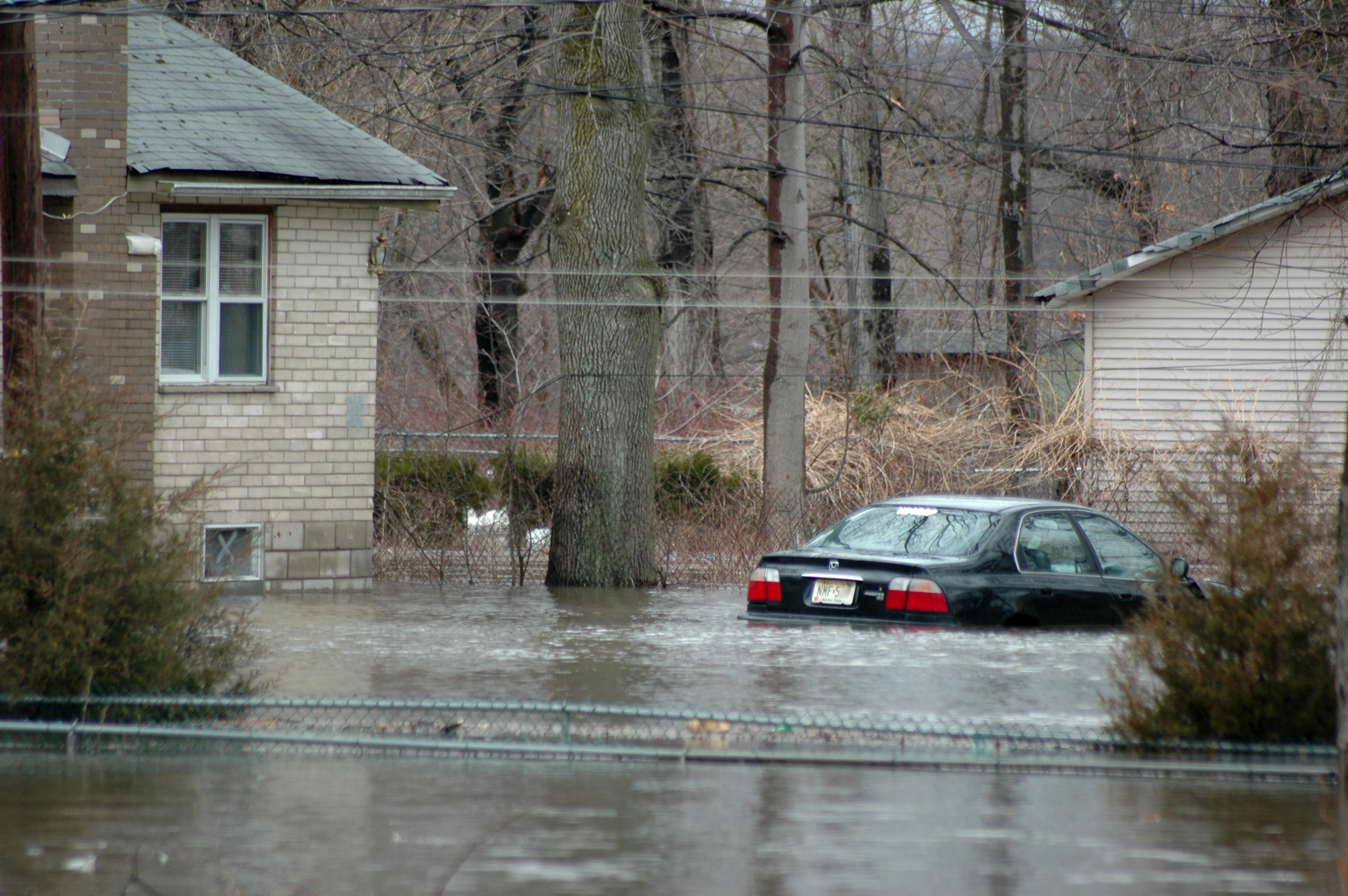
Rainy days can be both a good thing and a bad thing. It’s a great time to enjoy the warmth indoors. However, once you start noticing puddles inside your home, it can be a huge problem.
Sure, you can wipe the water clean, but it won’t fix the main issue. Wiping down a puddle is equivalent to sticking a Band-Aid on a leaky pipe— it’s only a temporary fix.
Basements are often the root of worry when it comes to flooding. It is underground, has little to no light, and the lack of ventilation can worsen flooding issues. Due to the humid nature of a basement, a flood can cause a myriad of problems such as water damage, mold growth, and expensive costs to cover due to the damage.
The good news is, there are various ways to waterproof your basement from flooding. You’ve probably heard of solutions for keeping your basement as dry as possible such as checking for cracks or leaks regularly, sealing cracks, and installing a sump pump.
Another thing you might not have heard about is weeping tiles.
What are Weeping Tiles?
Developed by Henry Flagg French of Massachusetts, weeping tiles are porous 4-inch pipes used for getting rid of underground water by providing a drainage point for the water accumulated at the base.
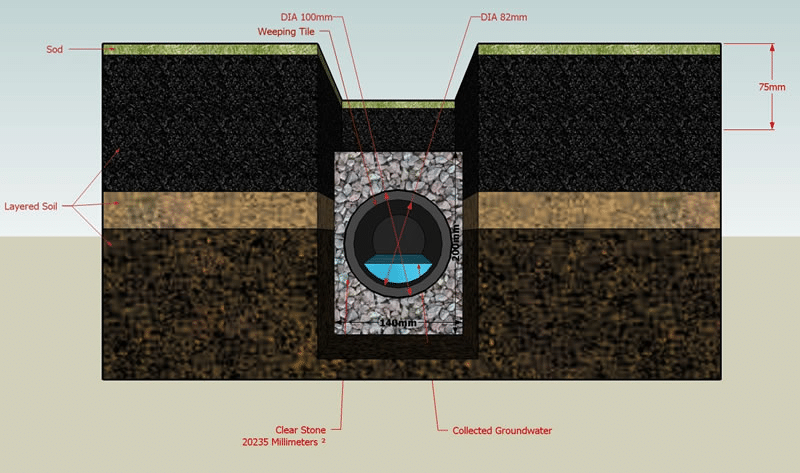
“French drain diagram” by w:User:24.57.242.6 – w:Wikipedia:Images_for_upload#French_drain_design_example (permalink). Licensed under Public Domain via Wikimedia Commons – http://commons.wikimedia.org/wiki/File:French_drain_diagram.jpg#mediaviewer/File:French_drain_diagram.jpg
The water accumulated is then ejected into a storm sewer or a sump pump under your basement. Back in the day, terracotta tiles were used for drainpipes but nowadays, plastic is used instead. The main goal of a weeping tile is to get rid of unwanted water in your home and prevent issues such as mold growth and pests.
Type of Weeping Tiles
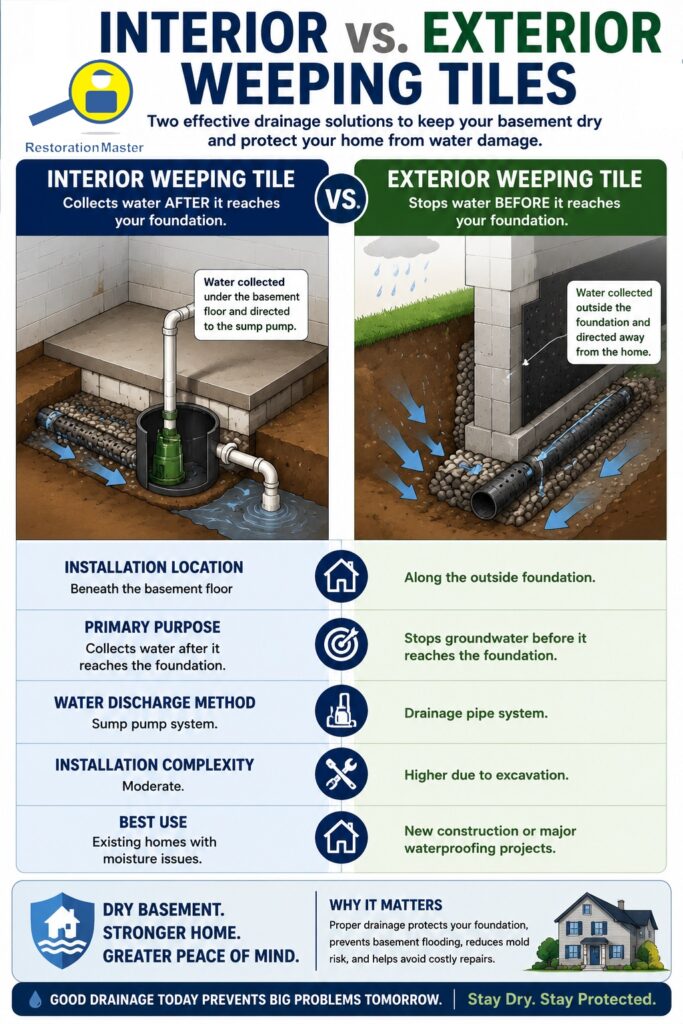
There are two types of weeping tiles— interior and exterior. Interior weeping tiles are often used if an exterior weeping tile doesn’t work. This type of weeping tile is installed under the basement where the water is led to a sump pump. The installation of interior weeping tiles is similar to installing a sump pump.
An exterior weeping tile is used for managing water at ground level before it gets into your basement. The water goes into the ground, through gravel, then it goes into the drainpipe and away from your house.
Interior vs. Exterior Weeping Tiles
| Feature | Interior Weeping Tile | Exterior Weeping Tile |
|---|---|---|
| Installation Location | Beneath the basement floor | Along the outside foundation |
| Primary Purpose | Collects water after it reaches the foundation | Stops groundwater before it reaches the foundation |
| Water Discharge Method | Sump pump system | Drainage pipe system |
| Installation Complexity | Moderate | Higher due to excavation |
| Best Use | Existing homes with moisture issues | New construction or major waterproofing projects |
Weeping Tile Maintenance
Weeping tiles, like all waterproofing methods, require maintenance. To keep your weeping tile system from malfunctioning, you need to make sure that you check the tiles regularly.
Remember to clean out any debris or leaves from the gutters so the weeping tiles don’t get blocked. Also, don’t forget to check if your sump pump is working. Keep a battery back-up in case your sump pump doesn’t run properly.
You can spot issues by checking if your sinks or toilets are draining slowly. Having a slow draining sink or bathtub can be troublesome. It helps if you could spot these issues early on, especially in areas such as the kitchen or living room where wooden furniture like kitchen cabinets is often present. Wooden furniture is prone to mold growth once water damage affects it.
If you spot these issues with your weeping tile system, it is better to call a professional for help. You can also spot problems by walking around your yard to see if there is any spongy soil or pooling water. If problems with your weeping tiles has resulted in water damage, you will also need the help of a water damage restoration professional.
Signs Your Weeping Tile System May Need Attention
| Warning Sign | What It Could Mean | Recommended Action |
|---|---|---|
| Pooling water near the foundation | Drainage system may be clogged or overwhelmed | Schedule a drainage inspection |
| Spongy or consistently wet soil | Poor groundwater drainage | Evaluate weeping tile performance |
| Basement dampness or musty odors | Moisture may be entering through the foundation | Check drainage and waterproofing systems |
| Slow-draining sinks or floor drains | Potential blockage in the drainage system | Have the system inspected |
| Frequent sump pump operation | Excess groundwater around the foundation | Verify drainage system effectiveness |
| Water seepage along basement walls | Foundation drainage may not be functioning properly | Contact a waterproofing professional |
FAQ
What are weeping tiles and how do they work?
Weeping tiles are perforated drainage pipes installed around a home’s foundation. They collect groundwater and direct it away from the home to help prevent basement flooding and foundation water intrusion.
Are weeping tiles the same as French drains?
Weeping tiles and French drains serve similar purposes by moving water away from structures. However, modern weeping tile systems are typically installed specifically around foundations as part of a waterproofing system.
Do all homes have weeping tiles?
Not all homes have weeping tiles. Older homes may lack foundation drainage systems or have outdated systems that no longer function properly.
How long do weeping tiles last?
Modern plastic weeping tile systems can last several decades when properly installed and maintained. Soil conditions, root intrusion, and debris buildup can affect lifespan.
Can weeping tiles become clogged?
Yes. Soil, roots, sediment, and debris can clog weeping tiles over time, reducing their effectiveness and increasing the risk of basement moisture problems.
How do I know if my weeping tiles are failing?
Common signs include basement leaks, musty odors, standing water near the foundation, spongy soil, water seepage through walls, and excessive sump pump activity.
Do weeping tiles prevent all basement flooding?
While highly effective, weeping tiles are only one part of a complete waterproofing system. Gutters, grading, sump pumps, foundation maintenance, and proper drainage all play important roles.
Should I install interior or exterior weeping tiles?
The best solution depends on your home’s construction, drainage conditions, and existing moisture issues. A waterproofing professional can recommend the most effective option.
Wrap Up
Installing weeping tiles may seem like a lot of work due to the underground installation and maintenance involved. However, if done correctly, you can save yourself a lot of trouble from flooding. The key is to avert any water from your home.
If you are considering installing weeping tiles in or outside of your home, we suggest calling a professional for advice and consultation.
Concerned About Basement Water Problems?
If you’re noticing damp basement walls, musty odors, pooling water near the foundation, or recurring moisture issues, your drainage system may not be functioning properly. Addressing these problems early can help prevent costly flooding, mold growth, and structural damage.
Call RestorationMaster at (888) 782-0519 for professional water damage restoration and flood cleanup services. Our specialists can assess moisture issues, mitigate water damage, and help restore your property after basement flooding or drainage system failures.

About Vince Sandri
Vince Sandri is a disaster restoration content specialist with more than 12 years of experience researching, writing, and educating property owners about water damage, fire and smoke damage, mold remediation, storm damage, and other disaster recovery topics. Since 2014, he has served as the lead contributor to RestorationMaster.us, where he has developed hundreds of in-depth service pages, educational guides, and industry-focused articles for restoration professionals across the United States.
Through extensive research and ongoing collaboration with restoration contractors, Vince has built a strong foundation in the science, processes, and best practices behind property damage mitigation and recovery. His work aligns with industry standards like the IICRC and EPA guidelines, and helps homeowners, business owners, and property managers understand how disasters impact structures, what immediate steps to take, how professional restoration works, and how to prevent long-term structural and health risks.
Vince specializes in translating complex restoration procedures — including water extraction, structural drying, smoke odor removal, mold containment, and storm damage repair — into clear, actionable information that empowers readers to make informed decisions during high-stress situations. His content aligns with industry standards and focuses on safety, accuracy, and practical response strategies.
He earned his Bachelor of Arts degree from Aurora University and his master’s degree from DePaul University. Since 2012, Vince has focused on SEO-driven website content, technical service pages, and educational resources within the disaster restoration industry.
Outside of his professional work, Vince is also a musician and performs in the Chicago, IL area.