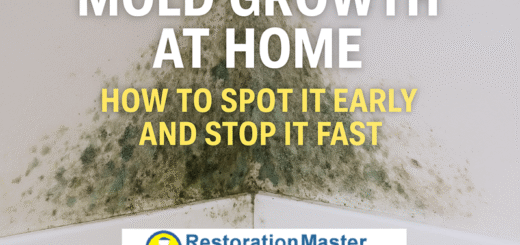
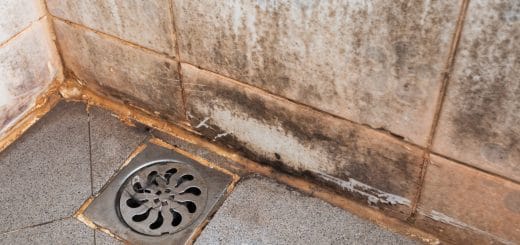
How to Detect Mold Inside Walls
Have you ever walked past a wall and noticed a strange patch of discoloration or smelled a faint, musty odor that doesn’t go away? Perhaps the paint on your walls seems to be bubbling for no reason at all. These small, unsettling signs may feel like minor annoyances, but they can actually be clues to a far more serious issue hiding within your home. Mold can grow quietly behind walls, slowly damaging the structure of your house and affecting the air you and your family breathe.
Mold is not always obvious. It can hide inside drywall, behind baseboards, or within insulation, making it easy to overlook until it becomes a bigger problem. It thrives in damp, poorly ventilated areas, often appearing after water leaks, condensation, or even high humidity in certain rooms. Mold spores are more than just unsightly; they can irritate the eyes, nose, and throat, trigger allergic reactions, and worsen respiratory conditions like asthma.
Recognizing the early signs of hidden mold is your first step toward protecting your home and your loved ones. By understanding what to look for and knowing how to investigate safely, you can address mold before it spreads, safeguarding both your property and the health of everyone inside.
Why Mold Grows Inside Walls
Mold does not appear out of nowhere. It needs moisture, a food source, and the right environment to thrive, and your walls can provide all three if conditions are right. Understanding these triggers can help you prevent mold before it becomes a serious problem.
Water Leaks
Leaking pipes, roofs, or even window frames can let water seep into your walls unnoticed. Over time, this trapped moisture creates a perfect breeding ground for mold. Even a slow drip can lead to growth behind drywall or wallpaper before you ever see it. For more guidance on spotting hidden leaks, you can read our guide on the 10 most common places to find water leaks in your home.
Condensation and Humidity
Areas with poor insulation or significant temperature differences between inside and outside can collect condensation. Basements, bathrooms, and kitchens are especially vulnerable. High humidity levels alone, without any leaks, can allow mold spores to settle and grow.
Construction Materials
Drywall, wood, and insulation provide surfaces that mold can cling to and feed on. If these materials become damp, even temporarily, mold can establish itself and spread quietly inside the walls.
Hidden Moisture Sources
Sometimes moisture comes from unexpected places. For example, a forgotten leak behind a refrigerator, a spill inside a wall cavity from an air conditioning unit, or dampness from nearby plumbing can all set the stage for mold growth.
Key Signs That Mold May Be Hiding Inside Your Walls
Sometimes mold doesn’t make itself obvious, but your home often gives gentle hints that something isn’t right. Paying attention to these subtle signals can help you catch mold early, keeping your family safe and your home healthy.
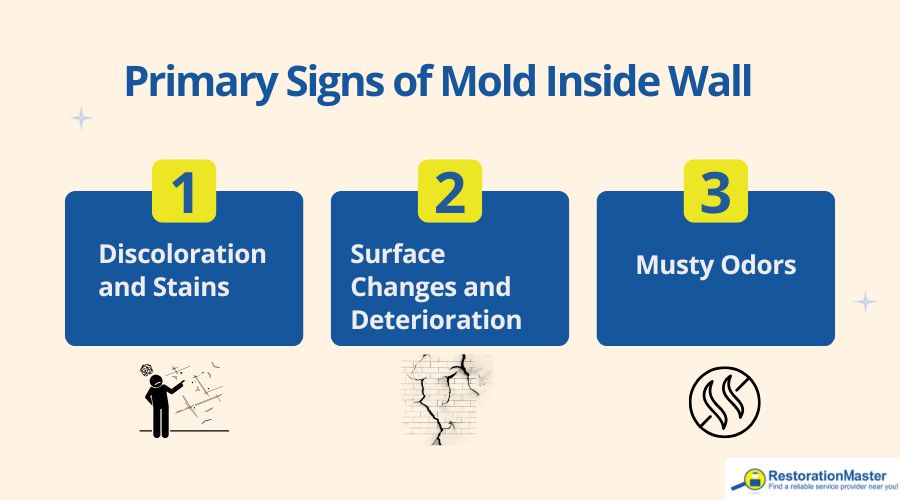
Discoloration and Stains
Because mold growth is often a result of water damage, water stains can be an indicator of the presence of mold. As such, if you spot water stains on your walls, then it is likely that there’s mold growing behind them. Water stains can be yellow or brown in color, so look out for such colors on your wall. If the spots are damp, then that’s an obvious sign of moisture problems as well.
Another indicator of mold growth is discoloration, which can occur even if you have repainted your home’s walls. Discoloration can also happen in the event that damage has been done from within. This is because the mold will still be visible on the wall’s surface.
Mold can appear in many shades, from black to white to brown to gray to green. If your wall has vinyl wallpaper, mold will look pink, orange, or purple in appearance.
Surface Changes and Deterioration
Your walls’ appearance can change significantly if there’s mold growth behind them. In addition to discoloration and stains, your walls may deteriorate. Paint or wallpaper can crack, peel, or bubble because of moisture and mold growth. Furthermore, your walls may become warped or even bow or bulge when there’s a water issue, which often leads to mold growth.
Guide: If you notice bubbling on your walls or ceilings, it’s often an early sign of water damage. Check out our guide on water bubbles on ceilings for steps to identify and address the problem early.
Odors
In the event that you are unable to visibly spot any signs of mold growth, you’ll likely still be able to smell the mold. Mold gives off a musty odor. It is similar to an earthy smell that you would find in a damp forest.
If you get down and smell the electrical outlets, then you will be able to more easily sniff out whether there is mold growth behind your walls. It sounds like a silly thing to do, but outlets have good access to the space behind the walls in your home.
Tools and Techniques to Detect Mold Without Damaging Walls
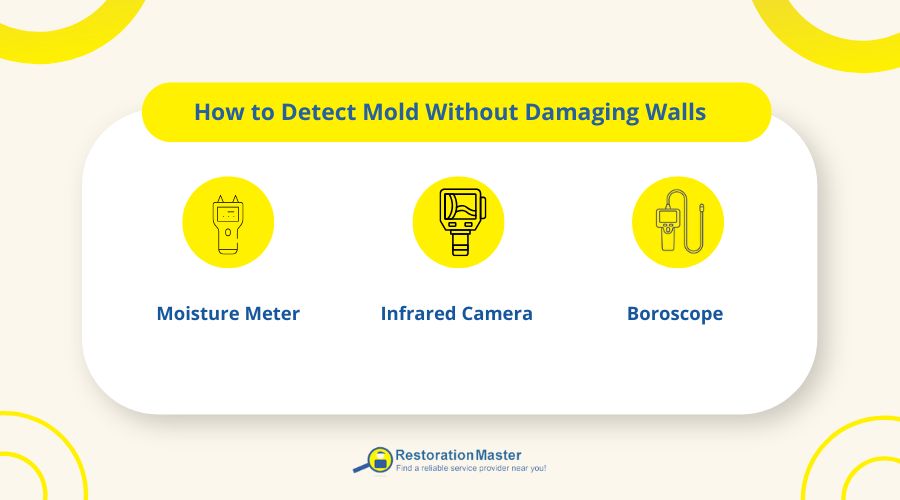
To detect mold inside walls without causing damage, you can use several tools and techniques:
Professional Tools and Techniques
Moisture Meters
These devices measure the amount of moisture trapped in your walls. Persistent high readings can indicate the perfect conditions for mold to develop, even if nothing is visible on the surface.
Infrared Cameras
Temperature variations in your walls can reveal hidden damp spots. Infrared cameras help experts see where moisture has collected, which may be fueling mold growth out of sight. Read our guide how to detect water damage with infrared camera.
Borescopes
A borescope is a small, flexible camera that can peek inside your walls through tiny openings. This allows for a clear view of hidden spaces without needing to cut out large sections of drywall.
Simple Methods You Can Try
| Method | How to Use It | What It Tells You |
|---|---|---|
| Close Visual Inspection | Examine walls carefully for discoloration, soft spots, or warping | Early signs of mold growth or moisture damage |
| Smell Test | Check corners, baseboards, and behind furniture for musty or earthy odors | Indicates hidden mold even if it’s not visible |
| Tap Test | Gently tap on wall surfaces | Hollow or spongy sounds suggest moisture behind the wall |
| Small Inspection Hole | Make a tiny, careful hole to inspect inside | Reveals hidden mold; requires proper tools and protective gear |
How to Detect Mold Inside Walls – Video
What to Do When Finding Mold in Your Home

About Vince Sandri
Vince Sandri is a disaster restoration content specialist with more than 12 years of experience researching, writing, and educating property owners about water damage, fire and smoke damage, mold remediation, storm damage, and other disaster recovery topics. Since 2014, he has served as the lead contributor to RestorationMaster.us, where he has developed hundreds of in-depth service pages, educational guides, and industry-focused articles for restoration professionals across the United States.
Through extensive research and ongoing collaboration with restoration contractors, Vince has built a strong foundation in the science, processes, and best practices behind property damage mitigation and recovery. His work aligns with industry standards like the IICRC and EPA guidelines, and helps homeowners, business owners, and property managers understand how disasters impact structures, what immediate steps to take, how professional restoration works, and how to prevent long-term structural and health risks.
Vince specializes in translating complex restoration procedures — including water extraction, structural drying, smoke odor removal, mold containment, and storm damage repair — into clear, actionable information that empowers readers to make informed decisions during high-stress situations. His content aligns with industry standards and focuses on safety, accuracy, and practical response strategies.
He earned his Bachelor of Arts degree from Aurora University and his master’s degree from DePaul University. Since 2012, Vince has focused on SEO-driven website content, technical service pages, and educational resources within the disaster restoration industry.
Outside of his professional work, Vince is also a musician and performs in the Chicago, IL area.