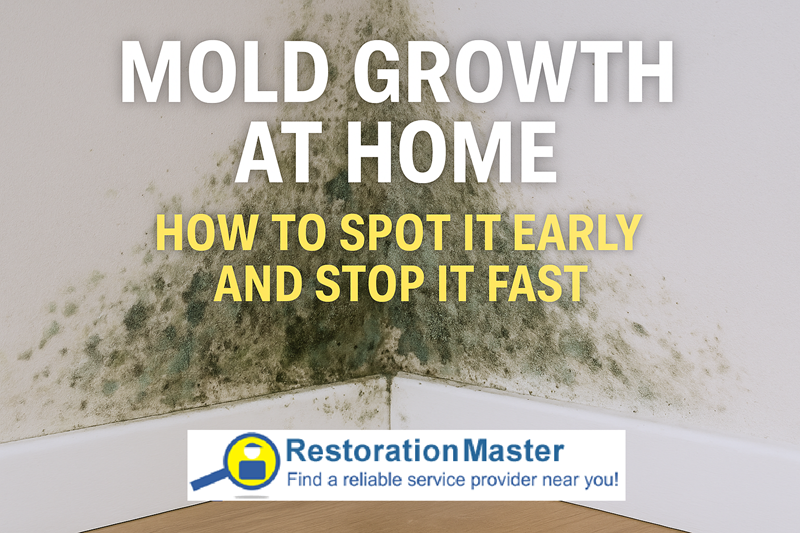
Mold Growth at Home: How to Spot It Early and Stop It Fast (FL Homeowners Guide)
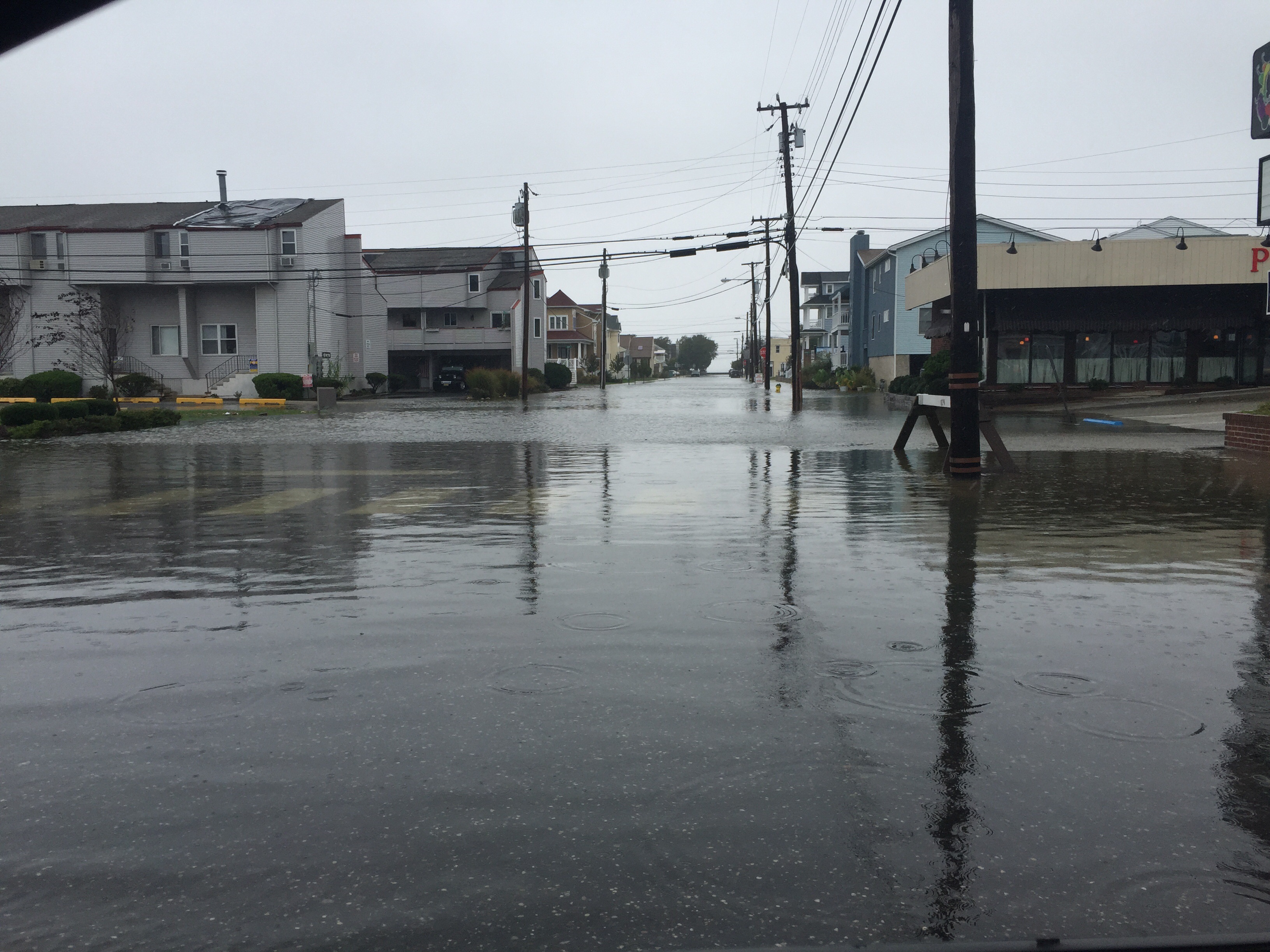
Mold growth is a common indoor problem that can be triggered by a number of factors that result in excess moisture indoors. These factors can range from leaks and high humidity to major storms such as hurricanes that consist of heavy rainfall that can cause floods. Any amount of mold growing on your property is a serious issue that requires immediate action. Mold colonies can cause major property damage if left unchecked, and exposure to the spores can trigger a range of health reactions from allergy symptoms to full blown infections.
It is important for property owners to know how to identify a mold problem and take action to stop its spread and prevent damage. The following tips will help you uncover mold issues early and stop the mold from spreading and causing serious property damage.
Why Mold Growth is Dangerous
- Fast spread: Mold can start within 24–48 hours anywhere excess moisture lingers (leaks, high humidity, post-storm flooding).
- Structural damage: Mold feeds on cellulose in drywall, wood, and insulation—causing discoloration, warping, and eventual structural issues.
- Health risks: Exposure may trigger allergy-like symptoms (coughing, itchy eyes/skin, congestion) and can worsen asthma or lead to infections with prolonged exposure.
Common Florida Triggers (Tampa & Fort Myers)
- Tropical systems/hurricanes with heavy rain and storm surge
- High baseline humidity and poorly vented bathrooms/laundry rooms
- AC/condensate line issues, roof leaks after summer storms
- Plumbing leaks in kitchens, baths, or slab
Mold is a threat to appear at virtually any time because mold spores naturally exist in the air. However, the spores will only form into mold growth in environments with excess moisture. In fact, mold can appear within just 48 hours in an area that has been affected by water damage, flooding, or an increase in humidity.
The most common food source for mold is cellulose which is an organic substance contained in most building materials such as wood, drywall, and insulation. This is why mold can quickly cause very serious damage. The mold growth will eat away at the affected surfaces, causing discoloration at first. As the damage gets worse, the affected materials become more vulnerable to serious structural damage. Mold growth can be especially destructive if it grows undetected in a hidden area.
The potential health effects of mold are another major cause for concern. Short term exposure typically leads to allergic reactions such as coughing, itchy eyes and throat, skin irritation, and nasal congestion. These symptoms can easily be confused with the common cold, but it is very important to determine if these symptoms are caused by mold exposure. Continued exposure will only lead to worse health issues including infections and asthma.
The Health Effects of Mold Growth in Your Home
The Health Effects of Mold on Children
How Mold Growth Affects Your Pet’s Health
How to Identify Mold Growth
As mentioned above, mold can grow in hidden areas so its presence in some cases may not be obvious. As a homeowner, you must be able to identify signs of mold so you can react to the situation before the damage becomes extensive. The following are the most common signs of a mold issue:
- Visible Mold: This seems obvious, but not all mold looks the same. It is possible for homeowners to dismiss visible mold as dirt or cobwebs. Mold can be slimy or fuzzy, and it can be several different colors including black, green, or orange. Certain types of mold can also appear threadlike. Any visible mold should be addressed right away because what you see may only be part of the problem.
- Musty Odors: Mold colonies tend to put off a distinct musty odor. If there is a musty smell in your home, this usually indicates a mold problem, or a water damage issue that could lead to a mold problem.
- Hidden Mold: In cases of hidden mold, the mold itself may not be visible, but other signs of its presence are. Common signs of hidden mold include cracks, peels, or bubbles in the paint or wallpaper; warping or bulging drywall; and unidentified spots or stains on walls and ceilings. If you believe you have hidden mold, you can hire a professional for mold testing to be sure.
- Water Damage: Mold growth does not occur in all cases of water damage, but it is much more likely to appear if there has been water damage. If you notice leaks, condensation, or other issues with excess moisture, check the affected areas for mold growth.
Quick DIY Check for Mold (No demolition)
- Run a dehumidifier to <50% RH and see if odor lessens.
- Use a flashlight along baseboards and under sinks.
- Lift corner of suspect carpet for discoloration.
- If in doubt, schedule professional mold testing.
How to Stop Mold From Spreading (Right Now)
Once you discover a mold problem, you must immediately react to limit the potential damage. Any hesitation will allow the mold to cause deeper damage and even spread to new areas. The following tips will help you stop the spread of mold:
- Act immediately. Every hour counts.
- Lower humidity: Run AC and dehumidifiers; keep indoor RH 30–50%.
- Isolate: Close doors; cover doorways/vents of impacted rooms with plastic sheeting.
- Remove porous items: Bag contaminated textiles/paper/cardboard for disposal (don’t shake).
- Clean nearby hard surfaces: Wipe non-porous areas with EPA-registered disinfectant.
- Fix the source: Stop the leak, clear condensate lines, or arrange roof/pipe repair.
⚠️ Don’t dry-scrub/bleach drywall or crawl into confined areas without PPE. DIY can aerosolize spores and drive growth deeper.
Prevention in Florida Homes
- Keep RH 30–50%; service HVAC annually.
- Install/maintain bathroom and kitchen exhaust to exterior.
- Insulate cold surfaces (supply lines, windows) to reduce condensation.
- Clean/reseal caulk and grout; inspect roof after storms.
- Test and maintain sump/condensate pumps; clear gutters/spouts.
When to Call a Mold Removal Professional
- The affected area is larger than ~10 sq ft or keeps returning.
- You suspect hidden mold (inside walls, behind cabinets, under flooring).
- Someone at home has asthma, is immunocompromised, pregnant, or very young/elderly.
- There was flooding or a hurricane-related intrusion.
What pros do: Moisture mapping, containment with negative air, HEPA filtration, removal of contaminated materials, antimicrobial treatments, and root-cause moisture correction so it doesn’t come back.
Attempting to clean up mold growth without the proper training or equipment is dangerous. It is always best to contact a professional to provide mold remediation services. Mold removal technicians can provide testing to uncover the mold issue, as well as complete mold removal using advanced equipment and techniques. They can even locate and address the moisture issue that caused the mold growth in the first place.
Check your home often for signs of mold growth, especially after water damage or a major storm like a hurricane. If you suspect that there may be mold growth in your home, contact a mold remediation specialist right away. The quicker you react, the more likely you will be able to stop its spread and prevent serious damage.
FAQ – How to Identify and Stop a Mold Problem
How fast can mold grow after a leak or flood?
Within 24–48 hours in warm, damp conditions.
Is bleach enough to fix a mold problem?
No. Bleach doesn’t penetrate porous building materials and can leave moisture behind.
When should I hire a pro instead of DIY?
If the area exceeds ~10 sq ft, returns repeatedly, or involves hidden growth, vulnerable occupants, or past flooding.
Will insurance cover mold remediation?
Sometimes—usually when linked to a sudden, covered water loss (not long-term humidity/maintenance). Check your policy endorsements/limits.
How do I keep mold from returning in Florida humidity?
Control RH to 30–50%, fix leaks promptly, ventilate baths/kitchens, and maintain HVAC/filters.
Suspect Mold? Get Same-Day Help in Tampa & Fort Myers
Certified remediation, moisture source repair, insurance guidance. Stop spread, protect your family, and prevent recurrence.
Request Inspection
or call (813) 730-4258
♦ 24/7 emergency response
♦ HEPA filtration & containment
♦ Written remediation plan & warranty

About Vince Sandri
Vince Sandri is a disaster restoration content specialist with more than 12 years of experience researching, writing, and educating property owners about water damage, fire and smoke damage, mold remediation, storm damage, and other disaster recovery topics. Since 2014, he has served as the lead contributor to RestorationMaster.us, where he has developed hundreds of in-depth service pages, educational guides, and industry-focused articles for restoration professionals across the United States.
Through extensive research and ongoing collaboration with restoration contractors, Vince has built a strong foundation in the science, processes, and best practices behind property damage mitigation and recovery. His work aligns with industry standards like the IICRC and EPA guidelines, and helps homeowners, business owners, and property managers understand how disasters impact structures, what immediate steps to take, how professional restoration works, and how to prevent long-term structural and health risks.
Vince specializes in translating complex restoration procedures — including water extraction, structural drying, smoke odor removal, mold containment, and storm damage repair — into clear, actionable information that empowers readers to make informed decisions during high-stress situations. His content aligns with industry standards and focuses on safety, accuracy, and practical response strategies.
He earned his Bachelor of Arts degree from Aurora University and his master’s degree from DePaul University. Since 2012, Vince has focused on SEO-driven website content, technical service pages, and educational resources within the disaster restoration industry.
Outside of his professional work, Vince is also a musician and performs in the Chicago, IL area.