What Makes Fire Damage and Smoke Damage Different?
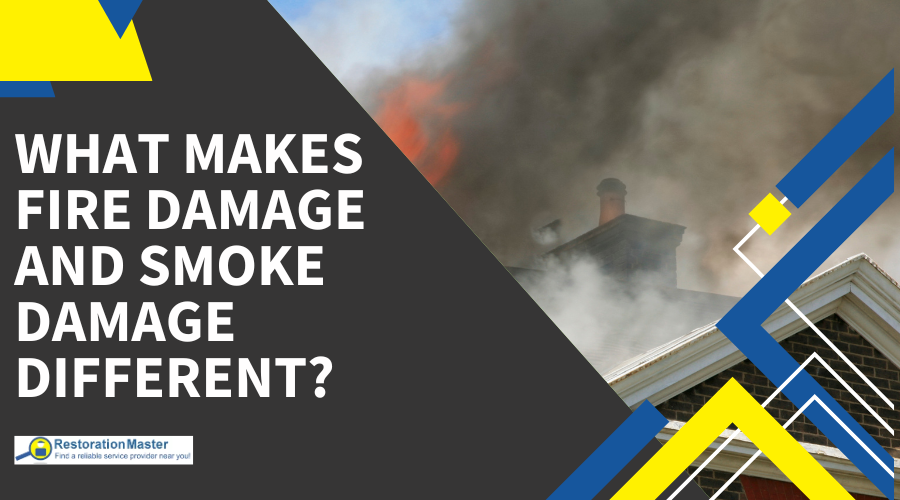
Fire damage and smoke damage are closely related, but they impact homes in very different ways. While fire damage causes visible destruction from flames and extreme heat, smoke damage often spreads far beyond the fire’s origin, leaving behind corrosive residues, hidden contamination, and persistent odors. Both types of damage can lead to serious structural issues, health risks, and costly repairs if not addressed properly.
Restoration professionals regularly assess properties affected by fire and smoke and understand that smoke damage is frequently underestimated. In many cases, smoke causes more widespread and long-term harm than the fire itself. In this guide, we explain the key differences between fire damage and smoke damage, the types of smoke damage homeowners often overlook, when smoke damage can be worse than fire damage, health and safety risks, insurance considerations, and how professional restoration approaches differ.
What Is Fire Damage?
Fire damage refers to the physical destruction of property caused by flames, extreme heat, smoke, and corrosive byproducts released during combustion. It affects both the structural components of a home and its contents, often requiring repairs, rebuilding, or full replacement of damaged materials.
How Fire and Heat Affect a Home
During a fire, temperatures can rise high enough to weaken steel, warp wood framing, crack drywall, and compromise roofing systems. Electrical wiring and plumbing may also be damaged by heat, increasing the risk of future failures or safety hazards. Even after the flames are extinguished, soot and smoke residues continue to deteriorate surfaces and materials if not professionally cleaned.
Common Signs of Fire Damage
Recognizing fire damage early is essential to prevent further destruction. Some common indicators include:
- Charred or burnt surfaces: Areas directly exposed to flames may be blackened or scorched.
- Soot residue: A black, powdery substance that can settle on walls, floors, and furniture.
- Discoloration: Smoke can leave visible stains on walls, fabrics, and ceilings.
- Lingering odors: Strong, unpleasant smells often remain long after the fire is extinguished.
- Warped or melted materials: High temperatures can deform plastics, metals, and other heat-sensitive materials.
What Is Smoke Damage?
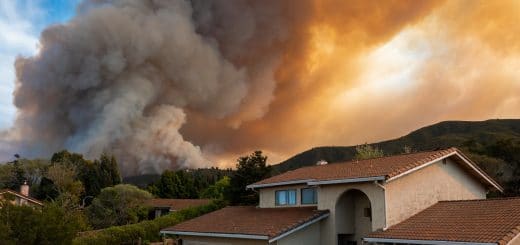
Smoke damage refers to the physical and chemical harm caused by smoke particles and soot after a fire. Unlike fire damage, smoke damage can affect areas far from the flames, including rooms, ductwork, and belongings that appear untouched.
How Smoke and Soot Spread Throughout a Property
Smoke can travel well beyond the origin of a fire, leaving hidden damage in its wake. Common ways it spreads include:
- Air pressure: Heat from a fire causes hot air to rise, carrying smoke particles into other rooms.
- Ventilation systems: HVAC systems can pull smoke into ducts and circulate it throughout the property.
- Porous materials: Smoke penetrates drywall, upholstery, and other absorbent surfaces, reaching areas far from the fire.
- Wind and airflow: Outdoor winds can drive smoke into different parts of a building, spreading soot further than expected.
As a result, smoke damage often impacts nearly every area of a property, even when the fire itself was small.
Types of Smoke Damage Homeowners Often Overlook
Not all smoke damage is the same. Different fire conditions produce different types of smoke, each requiring specialized cleaning methods.
- Protein smoke: Common after kitchen fires, protein smoke is nearly invisible but produces powerful odors. It penetrates painted surfaces, cabinets, and sealed materials, making standard cleaning ineffective.
- Dry smoke from synthetic materials: Caused by fast-burning, high-heat fires, dry smoke leaves fine soot particles that embed into surfaces. Improper wiping can permanently scratch walls, countertops, and appliances.
- Wet smoke from synthetic materials: Produced by low-heat, smoldering fires, wet smoke leaves sticky, greasy residues that cling to walls, fabrics, and fixtures. These residues are acidic and can cause corrosion over time.
- Fuel or oil smoke: Often linked to furnace malfunctions, this type of smoke leaves dense, oily residues that are extremely difficult to remove and can contaminate HVAC systems.
Fire Damage vs. Smoke Damage: Key Differences at a Glance
| Category | Fire Damage | Smoke Damage |
|---|---|---|
| Primary Cause | Direct exposure to flames and extreme heat | Smoke particles and soot are produced during combustion |
| Visibility | Highly visible and immediate | Often hidden or delayed |
| Affected Areas | Usually confined to the fire’s origin | Spreads throughout the property via air and HVAC systems |
| Structural Impact | Weakens framing, drywall, roofing, and load-bearing components | Causes corrosion, staining, and material degradation over time |
| Health Risks | Safety hazards from instability and exposed systems | Respiratory irritation and toxic particulate exposure |
| Restoration Focus | Structural repair, debris removal, and reconstruction | Deep cleaning, deodorization, and contamination removal |
| Insurance Challenges | Easier to document due to visible damage | Often underestimated or delayed without professional inspection |
Can Smoke Damage Be Worse Than Fire Damage?
Yes. In many situations, smoke damage causes more widespread harm than the fire itself. Flames typically affect a confined area, while smoke travels through walls, ceilings, ventilation systems, and porous materials. Over time, soot residues can discolor surfaces, corrode metals, and permanently contaminate belongings, increasing restoration costs if cleanup is delayed.
Hidden Fire and Smoke Damage You Can’t See Right Away
Not all fire and smoke damage is obvious at first glance. Some of the most serious issues can remain hidden, posing risks to both your property and your health.
Structural and Electrical Damage
Fires can compromise the very framework of your home. Look for signs such as cracks, warping, or charring in walls, ceilings, and floors, which indicate weakened structural integrity and the potential for collapse. Electrical systems can also be affected, with hidden damage to wiring, outlets, and panels creating serious safety hazards if left unaddressed.
Lingering Smoke Residue and Odors
Smoke particles migrate into wall cavities, insulation, and ductwork. Odors often return after surface cleaning because the contamination source was never fully removed. Persistent odors typically indicate ongoing smoke residue embedded in porous materials.
Health Risks of Fire Damage vs. Smoke Damage
Both fire and smoke damage can compromise a home’s structure and create serious health hazards. Addressing these issues promptly is essential to make the space safe and habitable again.
Fire Damage Safety Concerns
Fire can weaken structural components, damage walls, ceilings, and floors, and even affect outdoor areas. Beyond the physical destruction, fire-damaged homes may harbor hidden hazards such as weakened supports or exposed electrical systems, posing serious safety risks if not properly remediated.
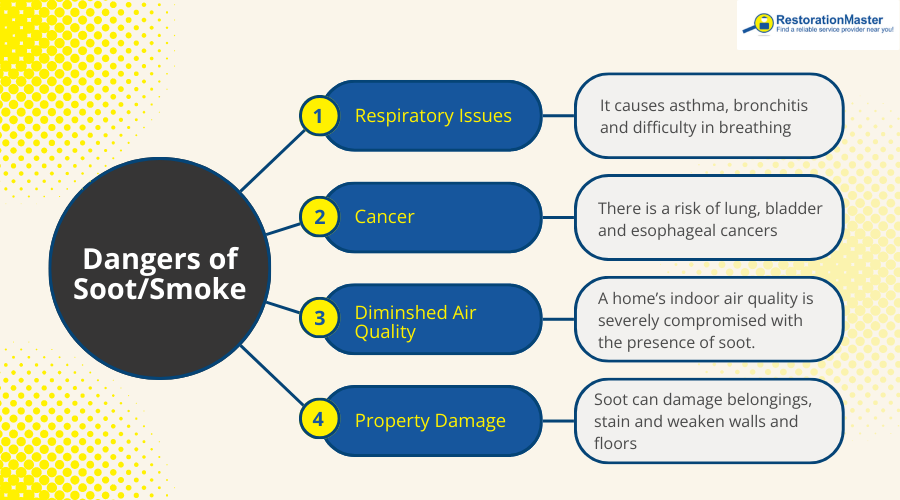
Health Risks from Fire and Smoke
Smoke and soot can create lingering health concerns even in areas untouched by flames. Exposure can lead to respiratory problems, eye irritation, headaches, and in some cases, long-term health effects. Professional remediation is often necessary to fully remove these hazards and restore a safe living environment.
How Does Insurance Treat Fire vs. Smoke Claims?
Understanding how your insurance policy handles fire and smoke claims is crucial. While most policies clearly cover fire damage, coverage for smoke damage can vary and may not always be guaranteed.
Documentation Differences
Fire damage is often visible and easier to document for insurance purposes. Smoke damage, on the other hand, can be subtle or hidden, making it more challenging to detect and document properly.
Coverage for Structure and Belongings
Most home insurance policies cover structural damage and personal belongings affected by fire. In many cases, smoke damage is also included, but it’s important to review your policy to confirm the specifics.
Why Delayed Smoke Damage Matters
Even if smoke damage isn’t immediately apparent, it can cause long-term issues. Smoke particles cling to surfaces and materials, leading to corrosion, discoloration, and persistent odors. Untreated smoke damage can also increase repair costs and pose ongoing health risks, making timely remediation essential.
How Fire Damage Restoration Differs from Smoke Damage Restoration
Fire and smoke damage require different restoration approaches, according to the IICRC fire and smoke damage restoration standards:
- Fire damage restoration focuses on structural repairs, debris removal, and rebuilding damaged areas.
- Smoke damage restoration emphasizes deep cleaning, soot removal, HVAC decontamination, and professional deodorization.
Typical Restoration Process
Fire damage restoration
- Damage assessment
- Structural stabilization
- Debris removal
- Repairs and reconstruction
Smoke damage restoration
- Containment and air filtration
- Soot and residue removal
- Deodorization
- Cleaning or replacement of affected materials
When to Call a Fire and Smoke Damage Restoration Professional
Fire and smoke damage can be devastating, not only to the structure of your home but also to your health and peace of mind. While fire leaves visible destruction, smoke can quietly infiltrate walls, fabrics, and ventilation systems, causing long-term damage and persistent odors. Ignoring either can lead to costly repairs, ongoing health risks, and diminished home safety.
That’s why professional fire and smoke damage restoration is essential. Experienced restoration specialists can assess both visible and hidden damage, safely remove soot and smoke residue, deodorize affected areas, and repair structural issues. They ensure your home is restored fully, making it safe, clean, and habitable again.
Don’t let hidden damage or lingering smoke put your property or your health at risk. Contact a trusted fire and smoke damage restoration professional today to protect your home and get back to normal as quickly and safely as possible.
FAQs – Smoke and Fire Damage Restoration
Is smoke damage considered fire damage?
Not exactly. While smoke damage often accompanies fire damage, it is a separate type of damage. Fire damage refers to the physical destruction caused by flames and heat, such as charring, warping, or structural damage. Smoke damage, on the other hand, results from smoke particles and soot settling on surfaces, leaving odors, discoloration, and potential corrosion. Both require professional restoration, but they are addressed differently.
Can smoke damage happen without flames?
Yes. Smoke damage can occur even in the absence of visible flames. Smoldering fires, overheated appliances, or even nearby fires can produce smoke that penetrates walls, fabrics, and ventilation systems. This hidden damage can lead to lingering odors, discoloration, and health hazards if not properly cleaned.
How long does smoke damage last?
If left untreated, smoke damage can last indefinitely. Smoke particles can embed into porous materials like drywall, carpets, upholstery, and fabrics, causing persistent odors, discoloration, and even corrosion. Early remediation is essential to prevent permanent damage and minimize repair costs.
Can smoke odors return after cleaning?
Yes, smoke odors can return if the source of contamination isn’t fully removed or if porous materials were not thoroughly treated. Complete professional cleaning, deodorization, and, in some cases, replacing affected materials are necessary to eliminate smoke odors permanently.

About Vince Sandri
Vince Sandri is a disaster restoration content specialist with more than 12 years of experience researching, writing, and educating property owners about water damage, fire and smoke damage, mold remediation, storm damage, and other disaster recovery topics. Since 2014, he has served as the lead contributor to RestorationMaster.us, where he has developed hundreds of in-depth service pages, educational guides, and industry-focused articles for restoration professionals across the United States.
Through extensive research and ongoing collaboration with restoration contractors, Vince has built a strong foundation in the science, processes, and best practices behind property damage mitigation and recovery. His work aligns with industry standards like the IICRC and EPA guidelines, and helps homeowners, business owners, and property managers understand how disasters impact structures, what immediate steps to take, how professional restoration works, and how to prevent long-term structural and health risks.
Vince specializes in translating complex restoration procedures — including water extraction, structural drying, smoke odor removal, mold containment, and storm damage repair — into clear, actionable information that empowers readers to make informed decisions during high-stress situations. His content aligns with industry standards and focuses on safety, accuracy, and practical response strategies.
He earned his Bachelor of Arts degree from Aurora University and his master’s degree from DePaul University. Since 2012, Vince has focused on SEO-driven website content, technical service pages, and educational resources within the disaster restoration industry.
Outside of his professional work, Vince is also a musician and performs in the Chicago, IL area.