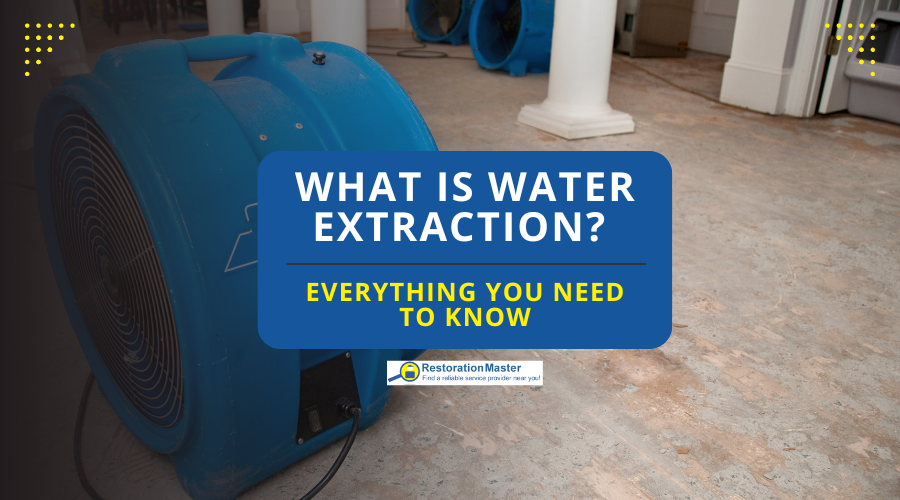
What is Water Extraction? Everything You Need to Know
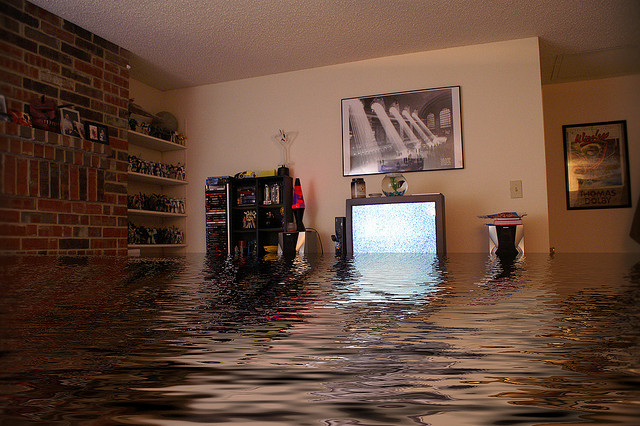
Dealing with water damage, whether from a recent flood or a leaking pipe in your basement, can be incredibly stressful and overwhelming. The cleanup process is not only time-consuming but can also become costly if not addressed quickly. Acting fast is crucial, as prolonged exposure to excess water can lead to extensive damage. Damp conditions can compromise your property’s structure and create the perfect environment for mold growth, which can further harm your home and health.
The moment you discover water damage, it’s essential to contact a professional water restoration company. Their expertise in water extraction services helps mitigate secondary damage, preventing further deterioration of your space. Proper water extraction requires the skill and equipment of trained professionals to ensure all standing water is thoroughly removed, safeguarding your property from future issues. In this article, we’ll explore what water extraction involves, why it’s necessary, and how the process works to protect your home.
What is Water Extraction?
Water extraction is the process of removing standing water from a property to prevent further damage and ensure effective drying. A professional restoration company will first address the source of the water issue, extract all standing water, and thoroughly dry the property to prevent mold growth.
Removing standing water promptly is essential to minimize structural damage and accelerate the drying process. This proactive approach not only protects your property but also reduces the risk of mold development, which can lead to more serious issues over time.
Hiring a professional water extraction company is highly recommended. Their expertise, specialized tools, and proven methods allow them to identify and address hidden water damage that might otherwise go unnoticed. Time is critical when dealing with water damage; acting quickly ensures efficient water removal, prevents mold, and safeguards your home or business.
Why is Water Extraction Needed?
Standing water in your home or property should be addressed immediately to prevent serious issues. Left unattended, it can seep into the ground, potentially damaging the foundation and compromising the structure of the building. Beyond structural concerns, standing water poses significant health risks to your family or employees.
One of the most common dangers is mold growth, which thrives in damp environments. Mold not only damages surfaces but can also trigger respiratory issues such as asthma. To protect both your property and health, it is essential to begin water extraction as soon as possible.
How is the Water Extraction Process Done?
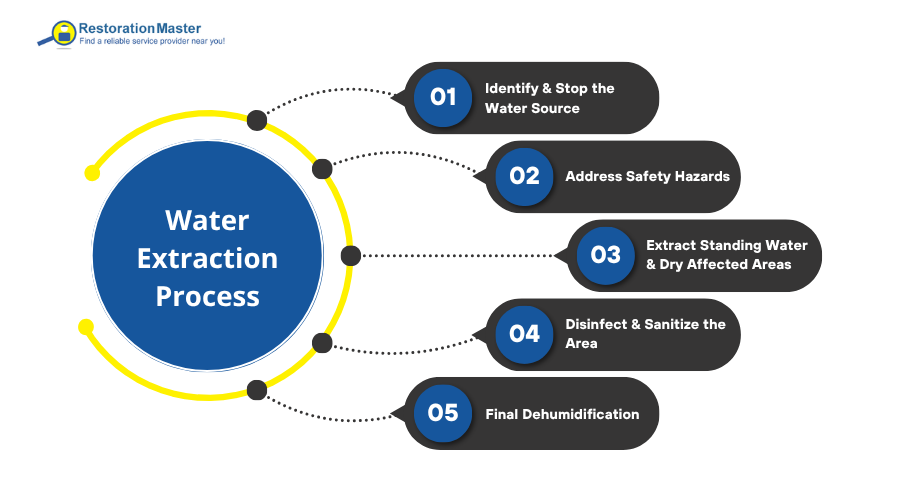
The following are the steps of the professional water extraction process that ensure every bit of standing water is effectively removed. Here’s how it’s done:
1. Identify and Stop the Water Source
The first step is to find the source of the water and stop additional water and moisture from coming into the property. Professionals may use moisture meters to check for further water damage. These devices can determine how wet an area is and the steps needed to restore it. They can also accurately detect the moisture content for a range of materials, including floors, ceilings, and walls.
2. Address Safety Hazards
Water damage can create a hazardous situation by causing structural damage and mold growth. Water can also damage electrical sockets, so the electricity must be shut off during the extraction process.
3. Extract Standing Water
To extract the water, professionals will use specialized pumps and industrial vacuum cleaners to ensure that all standing water is removed.
4. Dry Out the Affected Areas
Specialized drying systems and dehumidifiers are used to dry wet walls, ceilings, furnishings, and building cavities. This equipment works by blowing air across affected surfaces to cause the water to evaporate.
5. Disinfect and Sanitize the Area
Professionals clean the affected areas with EPA-approved disinfection and sanitization solutions to remove bacterial buildup. By combining these solutions with foggers, the chemicals are transformed into a fine mist that effectively eliminates odors and bacteria.
6. Final Dehumidification
Dehumidification is the final phase of the water extraction process. Professional-grade dehumidifiers are employed to remove any residual moisture from the air. These dehumidifiers efficiently draw water out of the air and collect it for proper disposal, ensuring that no moisture settles back onto materials.
Why Professional Water Extraction is Important
Standing water, whether from a minor incident or a major flood, can cause serious damage to your property if not addressed promptly. That’s why it’s essential to contact professionals to remove standing water and mitigate its effects. Proper water extraction goes beyond simply removing the visible water; it involves a comprehensive assessment of how the water has impacted your property, identifying risks such as mold growth, and restoring damaged contents to their original state.
Choosing a professional water extraction service over a DIY approach is crucial. Professionals bring the expertise, tools, and methods needed to thoroughly address the problem and prevent further issues. By relying on trained experts, you ensure the job is done efficiently, effectively, and safely, giving you peace of mind during what can be a stressful situation.
RestorationMaster’s Expert Water Damage Restoration
If you’re dealing with water damage in your home or business, no matter how minor or severe, it’s essential to contact a professional water damage restoration company right away. Certified technicians will quickly identify and stop the source of the water, assess how far the damage has spread, and begin the water extraction process using advanced equipment.
If you’re dealing with water damage in your home or business—no matter how minor or severe—it’s essential to contact a professional water damage restoration company right away. Certified technicians will start with a thorough water damage inspection to identify and stop the source of the water, assess how far the damage has spread, and begin the water extraction process using advanced equipment.
Professional services go beyond surface-level cleanup—RestorationMaster uses industrial-grade pumps, air movers, and dehumidifiers to remove all water and moisture, preventing long-term issues like structural damage or mold growth. As part of the process, a comprehensive water damage inspection is often performed to assess hidden moisture and ensure nothing is overlooked. After extraction, they thoroughly clean and sanitize affected areas and begin the restoration process.
Water spreads fast through porous building materials like drywall, flooring, and furniture, which is why time is critical. The sooner you call, the greater the chances of minimizing damage and recovery costs.

About Vince Sandri
Vince Sandri is a disaster restoration content specialist with more than 12 years of experience researching, writing, and educating property owners about water damage, fire and smoke damage, mold remediation, storm damage, and other disaster recovery topics. Since 2014, he has served as the lead contributor to RestorationMaster.us, where he has developed hundreds of in-depth service pages, educational guides, and industry-focused articles for restoration professionals across the United States.
Through extensive research and ongoing collaboration with restoration contractors, Vince has built a strong foundation in the science, processes, and best practices behind property damage mitigation and recovery. His work aligns with industry standards like the IICRC and EPA guidelines, and helps homeowners, business owners, and property managers understand how disasters impact structures, what immediate steps to take, how professional restoration works, and how to prevent long-term structural and health risks.
Vince specializes in translating complex restoration procedures — including water extraction, structural drying, smoke odor removal, mold containment, and storm damage repair — into clear, actionable information that empowers readers to make informed decisions during high-stress situations. His content aligns with industry standards and focuses on safety, accuracy, and practical response strategies.
He earned his Bachelor of Arts degree from Aurora University and his master’s degree from DePaul University. Since 2012, Vince has focused on SEO-driven website content, technical service pages, and educational resources within the disaster restoration industry.
Outside of his professional work, Vince is also a musician and performs in the Chicago, IL area.