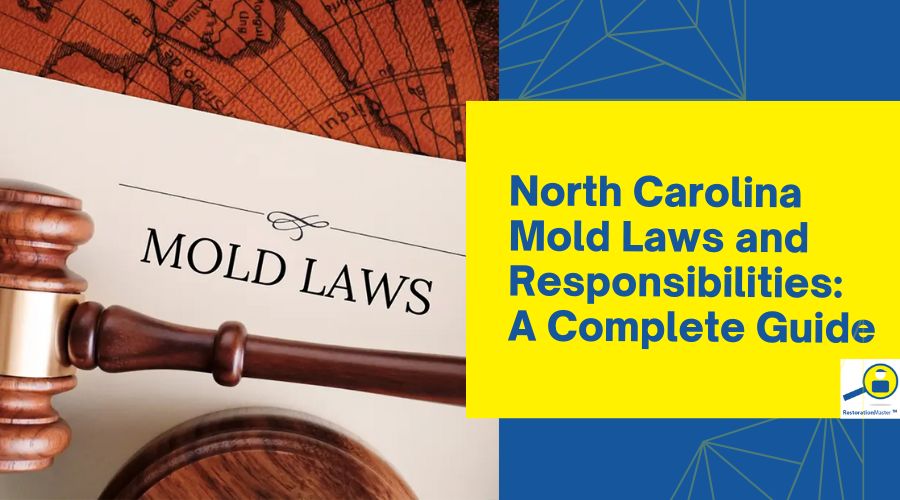
Mold Laws in North Carolina: What Homeowners and Renters Should Know
Mold is one of those issues you never want to find in your home—but in North Carolina, it’s a surprisingly common problem. Our humid summers, frequent rainstorms, and aging housing infrastructure create the perfect conditions for mold to grow quietly behind walls, under floors, and inside air ducts. And once it starts, it doesn’t take long for it to become a serious problem—not just for the structure of your home, but for your health and legal responsibilities as well.
Whether you’re a homeowner, tenant, landlord, or someone getting ready to sell a property, it’s important to understand how mold is addressed under North Carolina law, what your rights are, and what your next steps should be if you find it.
Does Mold Have to Be Disclosed in North Carolina?
If you’re selling a home in North Carolina, this is one of the first questions that may come up: Do you have to disclose mold?
The short answer: Yes—indirectly.
North Carolina requires sellers to fill out a Residential Property Disclosure Statement, a form that outlines known issues with the home. The form doesn’t have a checkbox labeled “Mold,” but it does ask about water intrusion, drainage problems, plumbing issues, roof leaks, and other conditions that often lead to mold. If you’ve had mold in the past—or suspect there may be a mold issue currently—you are expected to disclose it, especially if it stems from one of these listed problems.
What if you’re a landlord renting out a property? That’s a little different. North Carolina doesn’t currently require landlords to disclose the presence of mold before a tenant moves in. However, they are obligated by law to keep the property in habitable condition. That means if mold develops due to something like a roof leak, leaking pipe, or poor ventilation, and the landlord doesn’t address it, they could be violating state housing codes and tenant rights.
Bottom line: Sellers should disclose anything mold-related that might affect the value or livability of the home. Landlords should act fast when mold is reported and resolve the issue before it worsens.
Who’s Responsible for Mold in a Rental?
When it comes to mold in a rental property, the question of who’s responsible—landlord or tenant—depends on two key things: what caused the mold and how quickly it’s reported and addressed.
Landlord Responsibilities
In North Carolina, landlords have a legal duty to keep rental properties in good, livable condition. That includes making sure the home is structurally sound and free from conditions that encourage mold growth.
Here’s what landlords are expected to do:
- Keep the property in safe, habitable condition by staying on top of maintenance and repairs.
- Fix plumbing leaks, roof issues, and HVAC problems as soon as they’re reported.
- Address any signs of water damage promptly to prevent mold from developing or spreading.
- Respond quickly to tenant complaints about water issues or mold.
If a landlord ignores the problem—and mold ends up making the home unsafe or impacting a tenant’s health—tenants may have the right to:
- File a complaint with the local housing department
- Submit a written repair request and keep a paper trail
- Request a rent reduction or break their lease without penalty
- Take legal action to recover damages
🛑 Important: If the mold is a result of the landlord’s failure to maintain the property, they may be held financially responsible for mold removal, replacement of damaged belongings, and even the tenant’s temporary relocation if the property becomes unlivable.
Tenant Responsibilities
Tenants have responsibilities too—mainly to take reasonable steps to prevent mold and report problems before they escalate.
Here’s what tenants should do:
- Keep the rental clean and well-ventilated, especially in moisture-prone areas like bathrooms and kitchens.
- Use exhaust fans, open windows when weather permits, and avoid activities that add excess moisture (like drying clothes indoors without ventilation).
- Report any leaks, water damage, or musty odors right away. The sooner the landlord knows, the sooner they can act.
- Dispose of trash properly and keep moisture-sensitive areas dry—especially around sinks, windows, and basements.
If mold starts growing because the tenant failed to keep the place reasonably clean or didn’t report water damage in time, the tenant may end up footing the bill for cleanup and repairs.
What Qualifies as Uninhabitable Living Conditions in North Carolina?
Under North Carolina law, every tenant has the right to live in a safe, livable home. That means landlords are legally required to maintain certain minimum housing standards. If those standards aren’t met, the property may be considered uninhabitable.
Here are some examples of what makes a living space uninhabitable in NC:
- No working heat, plumbing, or electricity
- Major structural issues, like sagging floors or a leaking roof
- Broken windows or doors that allow pests or weather inside
- Infestations of rodents, roaches, or other pests
- Dangerous mold growth, especially when it’s widespread or causes health problems
Mold, specifically, falls into a gray area. A little bit of surface mold in a bathroom from poor cleaning habits might not qualify. But if mold is growing behind drywall due to a leak the landlord failed to fix—or if it’s affecting air quality and making the tenant sick—it could very well cross the line into uninhabitable territory.
Tenants who face these conditions may have the legal right to:
- Request immediate repairs
- Withhold rent (if following the correct legal process)
- Terminate their lease
- Report the landlord to code enforcement
For landlords, it’s best not to take chances. Mold issues left unchecked can quickly lead to legal disputes—not to mention the health risks to your tenants and damage to your property’s structure.
What Should a Homeowner Do First When Mold is Identified?
Finding mold in your home can feel overwhelming. It often shows up when you least expect it—maybe you notice a musty odor after a storm, or discover black patches growing behind your furniture or near your HVAC vents. No matter how it’s discovered, the key is to act quickly and methodically.
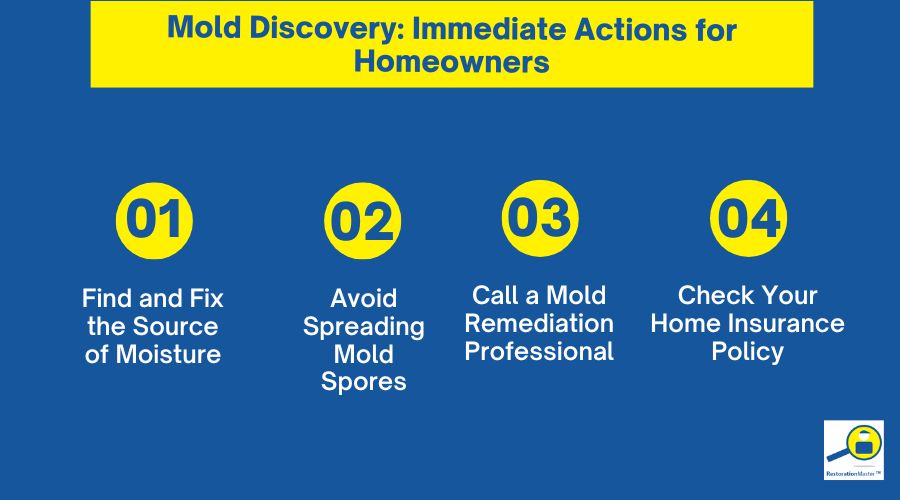
Here’s what you should do right away:
1. Find and Fix the Source of Moisture
Mold needs moisture to grow. If you only clean up the mold without fixing what caused it, it’s guaranteed to come back. Check for:
- Leaky pipes behind walls
- Roof damage after storms
- Cracks in your foundation
- Poor ventilation in bathrooms or basements
Even condensation from windows or uninsulated pipes can create the kind of damp environment mold loves.
2. Avoid Spreading Mold Spores
If the mold covers more than a small area (more than 10 square feet), don’t try to clean it yourself. Disturbing it can release spores into the air, spreading the contamination. Close off the area if possible, and turn off fans or HVAC systems that could circulate spores throughout your home.
3. Call a Mold Remediation Professional
North Carolina doesn’t currently require state licensing for mold remediation specialists—but that doesn’t mean you should hire just anyone. Look for companies certified by the IICRC (Institute of Inspection Cleaning and Restoration Certification) or those who follow EPA guidelines for mold cleanup.
A qualified mold professional will:
- Identify the full extent of the problem (even behind walls)
- Remove the mold safely using proper containment methods
- Dehumidify and dry the area completely
- Repair and restore the damaged surfaces
4. Check Your Home Insurance Policy
Homeowners insurance may cover mold if it’s caused by a covered event, such as a burst pipe or water damage from a storm. However, if the mold is due to long-term neglect (like ignoring a slow leak), it probably won’t be covered. Call your insurance provider right away and document everything—photos, notes, inspection reports, and receipts for repairs.
Need help with mold remediation in Charlotte or Gastonia, NC?
Whether you’re managing a rental in Gastonia, maintaining a property in Charlotte, or preparing to list your home elsewhere in North Carolina, understanding your legal obligations when it comes to mold can save you time, money, and unnecessary stress. Staying informed puts you in control—allowing you to take the right steps before a small issue becomes a much bigger problem.
If you’ve noticed mold in your home or rental property, don’t wait for it to spread or cause damage to your health or belongings. Mold thrives in moisture-rich environments, and without proper intervention, it can compromise both the structure of your property and the wellbeing of those living inside. The best course of action? Bring in a certified mold remediation professional who can inspect the affected areas, identify the source of the problem, and remove the mold safely and thoroughly.
At RestorationMaster, we partner with homeowners, landlords, and real estate professionals across Gastonia, Charlotte, and surrounding areas to deliver reliable mold inspections, expert remediation, and full restoration services. Our experienced crews use industry-standard methods and advanced equipment to help you return your property to a clean and healthy condition.
Reach out today to schedule your inspection—and take the first step toward resolving your mold concerns with confidence.

About Vince Sandri
Vince Sandri is a disaster restoration content specialist with more than 12 years of experience researching, writing, and educating property owners about water damage, fire and smoke damage, mold remediation, storm damage, and other disaster recovery topics. Since 2014, he has served as the lead contributor to RestorationMaster.us, where he has developed hundreds of in-depth service pages, educational guides, and industry-focused articles for restoration professionals across the United States.
Through extensive research and ongoing collaboration with restoration contractors, Vince has built a strong foundation in the science, processes, and best practices behind property damage mitigation and recovery. His work aligns with industry standards like the IICRC and EPA guidelines, and helps homeowners, business owners, and property managers understand how disasters impact structures, what immediate steps to take, how professional restoration works, and how to prevent long-term structural and health risks.
Vince specializes in translating complex restoration procedures — including water extraction, structural drying, smoke odor removal, mold containment, and storm damage repair — into clear, actionable information that empowers readers to make informed decisions during high-stress situations. His content aligns with industry standards and focuses on safety, accuracy, and practical response strategies.
He earned his Bachelor of Arts degree from Aurora University and his master’s degree from DePaul University. Since 2012, Vince has focused on SEO-driven website content, technical service pages, and educational resources within the disaster restoration industry.
Outside of his professional work, Vince is also a musician and performs in the Chicago, IL area.