How to Remove Musty Smell From Basement After Flooding?

Experiencing a flood in your basement can be incredibly stressful. Beyond the immediate cleanup and water damage, one of the most frustrating challenges homeowners face is the lingering musty odor that sticks around for days—or even weeks.
This smell is usually caused by mold and mildew growth. These thrive in damp, humid environments, and even after water is removed, moisture often lingers in wood, drywall, and carpeting. The good news: with the right steps, you can get rid of the odor and prevent it from returning.
How Long Does It Take for That Musty Smell to Occur?
Mold can begin to grow within 24–48 hours after flooding, depending on humidity, temperature, and how much water is present. That’s why quick action is critical to prevent long-term odors and damage.
Causes of Musty Basement Smells After Flooding
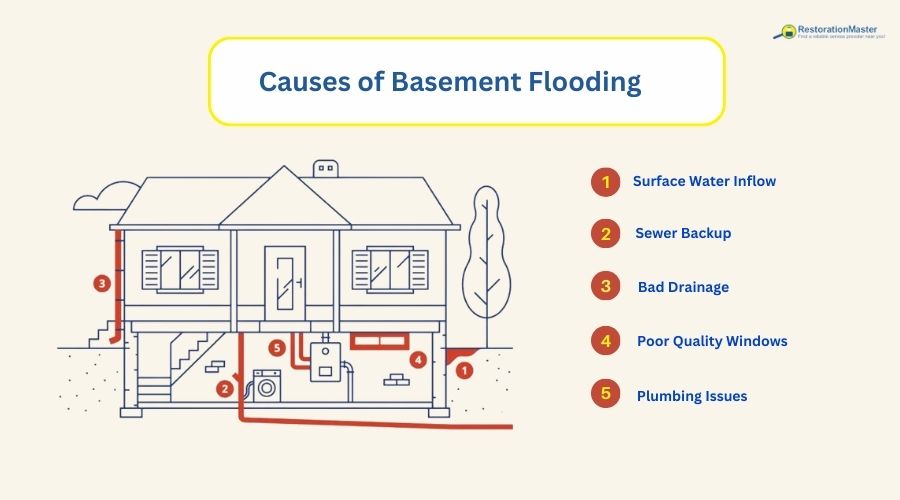
While flooding is the most common cause, other issues may also contribute:
-
Sewage backup or clogged toilets
-
Burst or broken pipes
-
Washing machine overflows
-
Roof leaks or foundation cracks
-
Heavy rainfall or snowmelt entering the basement
-
Plumbing leaks hidden behind walls
Identifying the source of the odor is the first step to eliminating it.
Step-by-Step: How to Remove Musty Smell from Basement
Whether it’s using natural air fresheners, scrubbing away mold, or simply improving ventilation, these methods will have your basement smelling fresh and feeling welcoming again in no time.
1. Find the Source of the Odor
Inspect walls, floors, and storage areas for signs of water damage, damp spots, or visible mold. Common culprits include:
-
Mold behind furniture or boxes
-
Damp carpet or upholstery
-
Cracks in the foundation
-
Stagnant groundwater entering through poor grading
If odors are caused by sewer gases, refill dried p-traps under sinks with water.
2. Clean Mold Thoroughly
If you spot mold, clean it immediately:
-
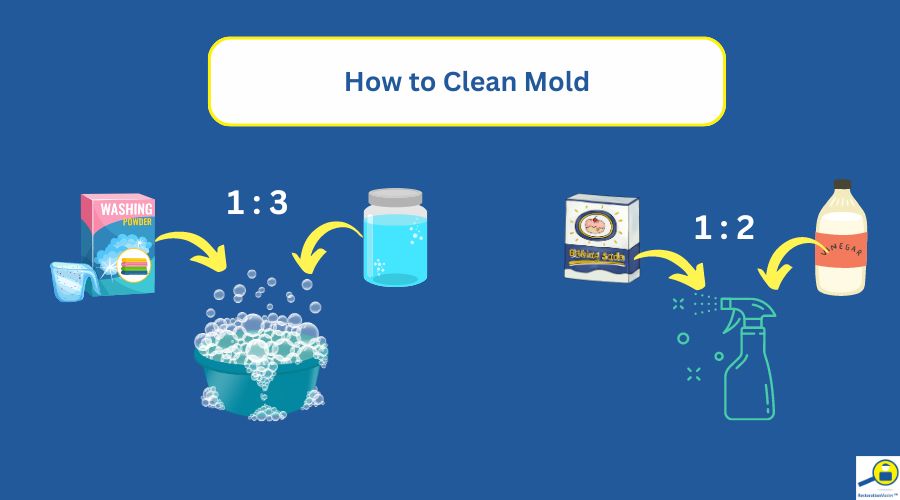
Use water + mild detergent or a specialized mold cleaner
-
Scrub hard, non-porous surfaces
-
Avoid using bleach on porous materials like wood or drywall
-
Keep the area ventilated to prevent regrowth
If mold covers a large area (over 10 sq. ft) or involves sewage water, call a professional.
3. Repair Water Damage Quickly
Masking odors won’t work if the root problem remains. Fix cracks, leaks, or insulation gaps that allow moisture inside. Consider adding:
-
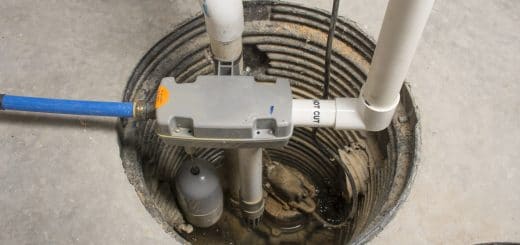
Sump pump to control groundwater
-
French drain or re-grading to divert water away
-
Pipe insulation to prevent future bursts
4. Control Humidity
-
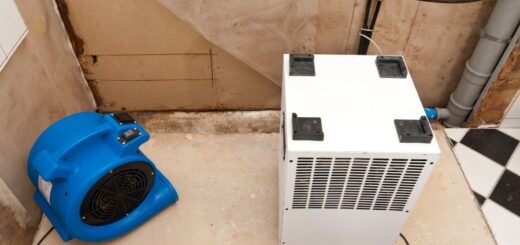
Use a dehumidifier to keep indoor humidity around 50% or lower
-
Run box or window fans to improve air circulation
-
Open windows (when weather allows) to bring in fresh air
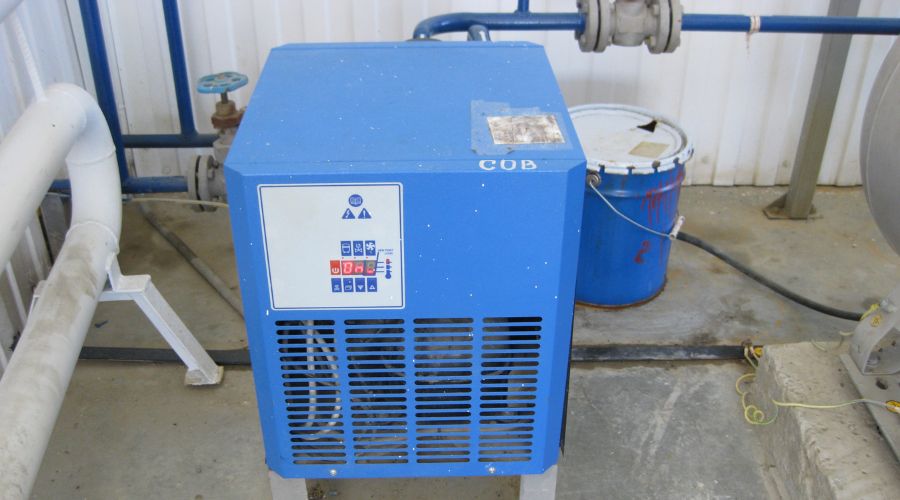
5. Increase Air Circulation
6. Use Natural Odor Absorbers
DIY odor-fighting methods:
-
Bowls of baking soda or white vinegar to absorb odors
-
Activated charcoal or clean cat litter in containers
-
Lightly spray vinegar + water solution on surfaces, then wipe down
For carpets and upholstery, rent a steam cleaner for deep cleaning.
Can a Musty Basement Smell Make You Sick?
Yes — musty odors are a sign of mold and mildew, which can release spores into the air. Prolonged exposure may cause:
-
Allergies
-
Asthma flare-ups
-
Respiratory irritation
-
Headaches or fatigue
This is why tackling the smell quickly isn’t just about comfort—it’s about protecting your health.
When to Call a Professional
DIY methods work for mild cases, but you should call a water damage restoration or mold remediation expert if:
-
The smell persists after a week
-
You see widespread mold growth
-
The flood involved sewage or contaminated water
-
There is structural damage (walls, flooring, insulation)
Professionals use industrial drying equipment, HEPA filtration, and antimicrobial treatments to eliminate odors and prevent regrowth.
Quick Checklist for Removing Musty Basement Smells
✔️ Locate the odor source
✔️ Clean mold & disinfect affected areas
✔️ Repair leaks & foundation cracks
✔️ Control humidity with dehumidifiers
✔️ Improve air circulation
✔️ Use natural odor absorbers
✔️ Call a professional if smell persists
Final Thoughts
With fast action, you can usually remove musty smells within about a week. But remember: the key is fixing the underlying moisture problem. Otherwise, the odor will always come back.
👉 If your basement still smells musty after flooding, it may indicate hidden mold or water damage. [Company Name] provides 24/7 basement odor removal, water damage cleanup, and mold remediation in [City/Area]. Call [Phone Number] today for fast, reliable service.

Are you dealing with an odor issue at your home or business caused by water damage? Water damage can happen at any time and can cause costly damage and mold growth while leaving behind musty odors. Whether the flooding is caused by rain, thunderstorms, natural flooding, burst pipes or something else, water damage restoration experts can remove all the water, dry out the affected areas, and restore your property back to its original state.

About Vince Sandri
Vince Sandri is a disaster restoration content specialist with more than 12 years of experience researching, writing, and educating property owners about water damage, fire and smoke damage, mold remediation, storm damage, and other disaster recovery topics. Since 2014, he has served as the lead contributor to RestorationMaster.us, where he has developed hundreds of in-depth service pages, educational guides, and industry-focused articles for restoration professionals across the United States.
Through extensive research and ongoing collaboration with restoration contractors, Vince has built a strong foundation in the science, processes, and best practices behind property damage mitigation and recovery. His work aligns with industry standards like the IICRC and EPA guidelines, and helps homeowners, business owners, and property managers understand how disasters impact structures, what immediate steps to take, how professional restoration works, and how to prevent long-term structural and health risks.
Vince specializes in translating complex restoration procedures — including water extraction, structural drying, smoke odor removal, mold containment, and storm damage repair — into clear, actionable information that empowers readers to make informed decisions during high-stress situations. His content aligns with industry standards and focuses on safety, accuracy, and practical response strategies.
He earned his Bachelor of Arts degree from Aurora University and his master’s degree from DePaul University. Since 2012, Vince has focused on SEO-driven website content, technical service pages, and educational resources within the disaster restoration industry.
Outside of his professional work, Vince is also a musician and performs in the Chicago, IL area.