7 Steps to Remove Mildew and Musty Odors from Carpets
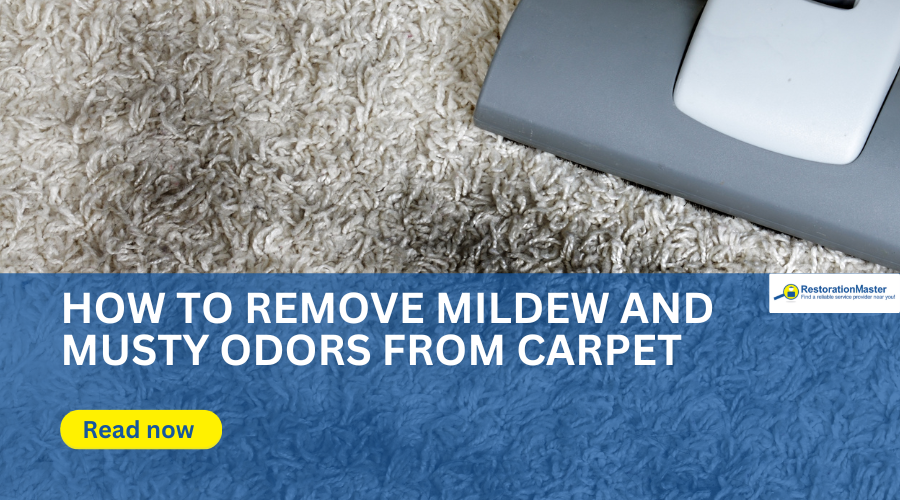
A musty-smelling carpet isn’t just unpleasant; it could be a sign of a bigger issue like mildew or hidden water damage. That musty odor is often the first warning that something’s not right, and if left untreated, it can lead to serious health risks and permanent damage to your carpet.
The good news? In many cases, you can eliminate that smell with some simple steps using common household products. Here’s how to tackle mildew and musty odors before they take over your home.
What Causes Musty Smells in Carpets?
Musty or mildew-like smells usually come from moisture trapped in the carpet fibers. This could be from a spill that wasn’t fully dried, high humidity in your home, or even water damage that wasn’t properly cleaned up. Over time, that moisture can become a breeding ground for mold, mildew, and bacteria. If your carpet smells off and the room feels a little damp, it’s best to act quickly before the problem spreads.
Some common sources of trapped moisture include:
- Overwatering plants near carpeted areas
- Leaky pipes or faucets
- Wet shoes or boots
- Pet accidents that aren’t cleaned properly
- Humid basements with poor ventilation
Can Mold in Carpet Make You Sick?
Yes, mold and mildew in carpets can cause serious health problems, especially for those with allergies, asthma, or weakened immune systems. Even if you can’t see the mold, the spores can become airborne and affect your indoor air quality.
Symptoms may include:
- Persistent coughing or sneezing
- Headaches or fatigue
- Skin rashes
- Watery eyes or nasal congestion
- Respiratory distress
If these symptoms worsen at home or improve when you leave the house, mold could be the culprit.
How to Tell If There’s Mold or Mildew in Your Carpet
Mold isn’t always visible — especially if it’s growing underneath the carpet or padding. But there are a few signs to watch for:
- Persistent musty smell
- Dark or discolored patches
- A damp or squishy feeling
- Increased humidity in the room
- History of flooding or leaks
- Unexplained health issues
If you identify any of these signs, it is essential to take immediate action to remove the mold and prevent further damage. Although mold can be difficult to identify, professional mold remediation specialists are available to help you identify if there is mold growth. Mold under the carpet can spread quickly and cause serious health and structural issues if not addressed.
7 Steps to Remove the Mildew and Musty Odors from Carpet
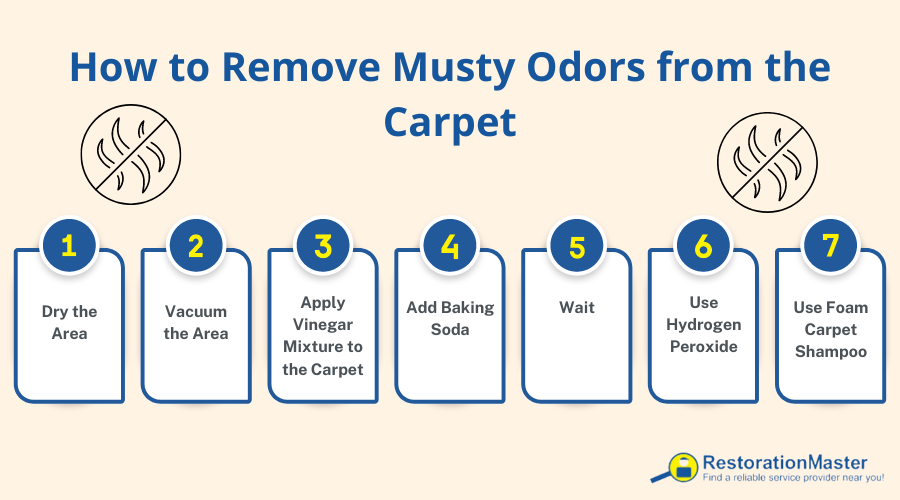
1. Dry the Carpet Thoroughly
Moisture is the root cause of most carpet odors. Use fans, open windows, or a dehumidifier to remove moisture. If the carpet was soaked due to flooding or a major leak, you may need to replace the padding underneath or call a professional water damage restoration company.
2. Vacuum the Area
Once dry, vacuum slowly and thoroughly using a high-efficiency vacuum, preferably one with a HEPA filter to trap mold spores and fine particles.
3. Spray with a Vinegar Solution
Mix 1 cup of white vinegar with 2 cups of water. Spray lightly over the affected area. Vinegar helps neutralize odors and has antimicrobial properties. Allow the area to air dry with good ventilation.
4. Apply Baking Soda Generously
Sprinkle baking soda over the treated area and leave it overnight. It’s a safe, natural deodorizer that absorbs lingering odors and moisture.
5. Vacuum Again
Vacuum up the baking soda. Repeat if necessary to fully remove residue and lingering smells.
6. Use Hydrogen Peroxide (Optional)
Mix 1 part hydrogen peroxide with 5 parts water and spray the area lightly. Test in a small hidden spot first to avoid discoloration. This helps kill mold spores and bacteria.
7. Try Foam Carpet Shampoo
If the odor lingers, use a store-bought carpet foam shampoo. Apply, scrub gently with a sponge, and allow it to dry completely. Then vacuum to remove residue.
How to Prevent Musty Odors from Returning
Prevention is key to keeping your carpet fresh and your home healthy. Here are a few actionable tips:
- Use dehumidifiers in damp areas like basements or laundry rooms.
- Clean spills right away and dry the area thoroughly.
- Vacuum carpets regularly to prevent dust and bacteria buildup.
- Use area rugs in moisture-prone areas and clean them frequently.
- Improve air circulation with ceiling fans or open windows.
- Get professional carpet cleaning at least once a year.
Natural Alternatives for Carpet Odor Removal
If you’re looking for eco-friendly or pet-safe options, here are some alternatives to chemical cleaners:
- Essential oils (like tea tree, lavender, or eucalyptus) can be added to vinegar sprays for extra odor-fighting power.
- Activated charcoal sachets can absorb moisture and odors from the air and carpet.
- Enzyme-based cleaners are great for pet stains and organic odors.
When to Call a Professional Carpet Cleaner or Mold Remediation Specialist
While many stains, mold damage, and musty odors can be removed with products at home, others will need some extra effort.
If you feel that you have exhausted all efforts, or just don’t want to deal with it, you can call on mold remediation professionals. These technicians will apply commercial-grade products, using personal protection equipment (PPE) to get rid of the mildew and musty smell from the carpet once and for all.
They will also use a truck-mounted system to clean the carpets professionally, removing the embedded mold spores and debris to restore a like-new look to the carpet. Finally, they can provide the peace of mind of not having to worry about the threat of mildew returning to bring back that musty smell.
FAQs – Removing Mold and Musty Odors from Carpet
How long does vinegar take to kill mold on carpet?
Vinegar typically takes at least 1 hour to kill mold on carpet surfaces. After spraying the affected area with white vinegar, let it sit undisturbed for 60 minutes before scrubbing and drying thoroughly.
Can moldy carpet be saved?
Moldy carpet can be saved if the mold is minor and caught early. However, if the mold has spread to the carpet padding or subfloor, replacement may be necessary to fully eliminate the problem and prevent health risks.
Will mold come back after vinegar?
Mold can come back after vinegar treatment if the area stays moist or isn’t properly dried. To prevent recurrence, combine vinegar with thorough drying and improved ventilation to eliminate the conditions mold needs to grow.
Will shampooing carpet remove mildew smell?
Shampooing the carpet may reduce mildew odor, but it won’t fully remove mold spores or prevent regrowth. For lasting results, pair carpet shampoo with odor neutralizers like baking soda and ensure the area is completely dry.
Can you remove mold from carpet yourself?
Yes, you can remove minor mold from carpet yourself using household items like vinegar, baking soda, and hydrogen peroxide. For severe mold or health concerns, it’s best to call a professional carpet cleaner or mold remediation specialist.

About Vince Sandri
Vince Sandri is a disaster restoration content specialist with more than 12 years of experience researching, writing, and educating property owners about water damage, fire and smoke damage, mold remediation, storm damage, and other disaster recovery topics. Since 2014, he has served as the lead contributor to RestorationMaster.us, where he has developed hundreds of in-depth service pages, educational guides, and industry-focused articles for restoration professionals across the United States.
Through extensive research and ongoing collaboration with restoration contractors, Vince has built a strong foundation in the science, processes, and best practices behind property damage mitigation and recovery. His work aligns with industry standards like the IICRC and EPA guidelines, and helps homeowners, business owners, and property managers understand how disasters impact structures, what immediate steps to take, how professional restoration works, and how to prevent long-term structural and health risks.
Vince specializes in translating complex restoration procedures — including water extraction, structural drying, smoke odor removal, mold containment, and storm damage repair — into clear, actionable information that empowers readers to make informed decisions during high-stress situations. His content aligns with industry standards and focuses on safety, accuracy, and practical response strategies.
He earned his Bachelor of Arts degree from Aurora University and his master’s degree from DePaul University. Since 2012, Vince has focused on SEO-driven website content, technical service pages, and educational resources within the disaster restoration industry.
Outside of his professional work, Vince is also a musician and performs in the Chicago, IL area.